






What Exactly Are Deepfakes?
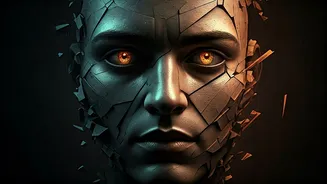
A deepfake is a piece of synthetic media, such as a video, image, or audio clip, created using artificial intelligence. The term blends "deep learning" and "fake." This technology can convincingly mimic a person's likeness, voice, and movements, making
them appear to say or do things they never did. Scammers can create these by taking a person's face from social media photos and cloning their voice from just a few seconds of audio. These are then used for various purposes, from political misinformation to sophisticated financial scams like fake job interviews or impersonating family members in an emergency.
Visual Red Flags in Deepfake Videos
Even with advancing technology, many deepfakes still have subtle flaws. Pay close attention to a person's eyes; unnatural blinking patterns—either too much, too little, or not at all—are a common giveaway. The edges where a face meets the hair or neck can also reveal a fake, often appearing blurry, flickering, or having an inconsistent outline. Skin texture is another clue; deepfakes might make skin look unnaturally smooth or waxy. Also, check for lighting inconsistencies, where the light on the face doesn't match the surrounding environment, and watch for strange reflections in eyeglasses.
Listening for Audio Inconsistencies
Audio deepfakes, or voice cloning, are a growing threat, especially in phone scams. A cloned voice might sound robotic, flat, or lack the normal emotional range of human speech. Listen for an unnatural rhythm or cadence, awkward pauses, or a monotonous tone even when discussing exciting or upsetting topics. While some scammers add background noise to hide imperfections, a complete lack of ambient sound can also be a red flag. If a familiar voice makes an unusual or urgent request, it is best to be skeptical.
The Context is Your Strongest Clue
Often, the most reliable way to spot a deepfake is by considering the context, not just the content. Scammers use deepfakes to create a sense of urgency or to provoke a strong emotional reaction, pressuring you to act without thinking. Be highly suspicious of any unexpected video or audio message that requests money, login credentials, or personal information. This is particularly true for so-called family emergency scams, fake investment opportunities, and messages supposedly from your boss or a public official. No matter how convincing the media looks or sounds, an urgent demand for money is a major warning sign.
How to Protect Yourself and Verify Content
The best defense against deepfakes is a healthy dose of skepticism and a proactive verification process. If you receive a suspicious call or video from a loved one asking for money, hang up and call them back on a number you know is theirs. For work-related requests, verify them through a different, official channel, like a direct call to a known extension or an email to their official address. You can also use reverse image search tools to check if a picture or a video thumbnail has appeared elsewhere online in a different context. In India, you can report suspected deepfake scams to the National Cyber Crime Reporting Portal or by calling the helpline number 1930.