



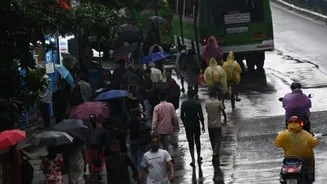
A Tale of Two Monsoons
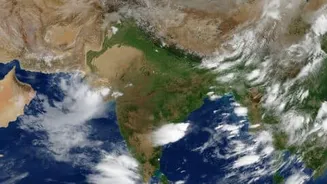
The latest bulletins from the India Meteorological Department (IMD) paint a complex picture for August. While the overarching forecast for the month suggests a 'below-normal' monsoon for the country as a whole, this national average masks significant
regional variations. Several states, particularly in the south and northeast, are experiencing intense rainfall, with the IMD issuing alerts for heavy to very heavy showers. For instance, even as the broader outlook predicts less rain, specific weather systems moving across the country are causing concentrated downpours in areas like Kerala, Karnataka, and parts of the Northeast. This contrast between the national trend and local reality is why paying attention to daily updates is more critical than ever.
Regions on Immediate Alert
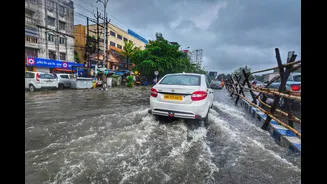
As of early August, several states are on alert for significant weather events. The IMD has issued various warnings, including orange alerts, for districts in Kerala, Karnataka, and parts of the Northeast, indicating expectations of very heavy rainfall. For example, numerous districts in Kerala have been under alerts, with authorities monitoring river levels and the risk of landslides in hilly regions. Similarly, coastal and south interior Karnataka have been forecast to receive heavy showers. In the Northeast, Assam and neighbouring states are also bracing for a fresh spell of heavy rain, a serious concern for a region already grappling with flood-like situations. These specific, time-sensitive warnings highlight areas where residents and travellers need to exercise immediate caution.
Why District-Level Forecasts Are Key
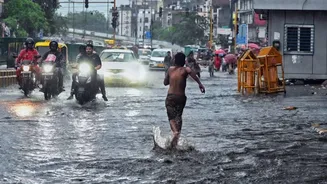
A state-wide forecast provides a general overview, but the monsoon's impact can differ dramatically from one district to the next. A 'heavy rainfall' alert for a state might mean a moderate drizzle in one city but a risk of flash floods in a neighbouring hilly district. The IMD itself stresses the importance of these granular updates, providing district-wise warnings and even block-level forecasts on its website. These local bulletins account for microclimates, topography, and the path of small-scale weather systems that a broader forecast cannot detail. For households, this means knowing the specific risk to your area, such as waterlogging or proximity to swelling rivers. For travellers, it’s the difference between a safe journey and being stranded by a landslide or a washed-out road.
Actionable Advice for Households
If you live in or near a region flagged with a yellow or orange alert, proactive steps can significantly enhance safety. Start by monitoring the official IMD website and credible local news channels for district-specific updates. Secure your home by checking for loose roof tiles and clearing drains and gutters to prevent waterlogging. Prepare a basic emergency kit containing a torch, first-aid supplies, essential medications, and dry food items. Charge your mobile phones and power banks. In areas prone to flooding, be aware of the nearest elevated ground or designated shelters. Avoid spreading unverified information on social media; rely only on official sources for guidance and warnings.
A Guide for Monsoon Travellers
Travelling during the monsoon can be beautiful, but it requires careful planning, especially this year. Before setting out, and each day during your trip, check the district-wise IMD alerts for your entire route. Be prepared for delays, as heavy rain can lead to traffic snarls, flight disruptions, and road closures, particularly in hilly areas like Himachal Pradesh and Uttarakhand. If your destination is in a region with an active heavy rainfall warning, seriously consider postponing your trip or having flexible bookings. Avoid travelling near rivers and streams, and never attempt to cross water-logged roads or bridges without certainty of their safety. Inform your family or friends of your itinerary and maintain regular contact. For those heading to rain-shadow regions like Ladakh, which see minimal rain, travel is generally safer, but always verify that roads to the destination are open and clear.