





More Than Just a Doggy Paddle
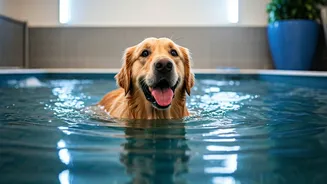
Pet hydrotherapy is far more sophisticated than a simple swim in the lake. It’s a form of physical therapy that uses the resistance, buoyancy, and warmth of water to help animals move and exercise in a controlled, low-impact environment. The practice
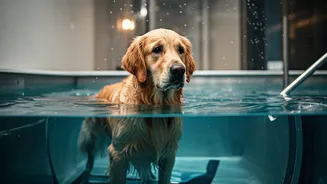
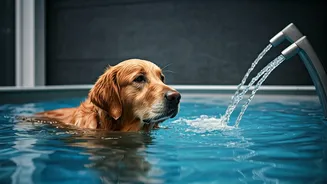
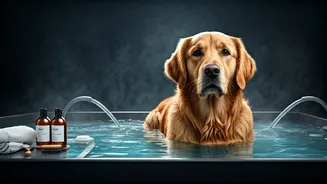
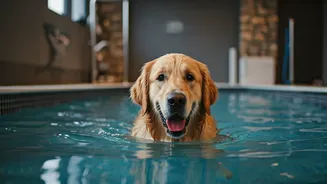
is most common for dogs but can be adapted for other animals. Sessions typically take place in specialized facilities, often dubbed “luxury pet spas,” that feature heated pools, underwater treadmills, and resistance jets. A trained therapist guides the animal through specific movements, ensuring the experience is both safe and effective. The buoyancy of the water supports the animal’s body, reducing stress on joints by up to 90%, which allows for a range of motion that might be painful or impossible on land.
The Health Benefits Behind the Splash
While the “spa” setting sounds indulgent, the reasons for trying hydrotherapy are deeply practical. Vets often recommend it as a powerful tool for rehabilitation and conditioning. For dogs recovering from orthopedic surgery, such as a TPLO for a torn ACL, hydrotherapy can speed up recovery by allowing them to rebuild muscle without straining the healing joint. It’s also a game-changer for senior dogs or those suffering from chronic conditions like arthritis or hip dysplasia. The warm water soothes aching joints and stiffness, while the gentle exercise helps maintain muscle mass, mobility, and overall quality of life. Furthermore, it's an excellent way to help overweight dogs shed pounds safely, as the workout burns calories without the concussive force of running on pavement.
A Glimpse Inside the Luxury Experience
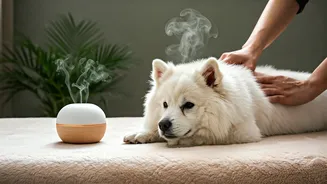
The “luxury” part of the headline isn’t just marketing fluff. Top-tier pet hydrotherapy centers are designed to be calming, clean, and professional. Imagine a serene, spa-like environment where your pet is the star client. The water is heated to a therapeutic temperature (usually 85-92°F) to relax muscles and promote circulation. Many sessions are one-on-one with a certified canine hydrotherapist who understands animal anatomy and behavior. After the session, which might last 20-30 minutes, some spas offer a warm rinse, a gentle blow-dry with professional-grade dryers, and perhaps even a post-workout treat. The entire experience is curated to minimize stress and maximize comfort, turning a therapeutic necessity into a pampering session.
Is It Right for Your Pet?
Hydrotherapy is remarkably versatile, but it’s crucial to consult your veterinarian before booking a session. Your vet can determine if it’s an appropriate treatment for your pet’s specific condition and provide a referral. It’s a fantastic option for post-operative recovery, managing arthritis, building fitness in canine athletes, and weight loss. Breeds prone to joint issues, like Labradors, German Shepherds, and Golden Retrievers, are frequent clients. However, it's not suitable for all animals. Pets with open wounds, infections, or certain heart and respiratory conditions may not be good candidates. The initial consultation at a hydrotherapy center will typically involve a thorough assessment to create a customized plan tailored to your pet's needs and limitations.
How to Choose a Quality Provider
As the trend grows, so does the number of facilities offering these services. To ensure your pet is in good hands, look for a provider with certified and experienced staff. Ask about their training and qualifications—certifications from organizations like the Association of Canine Water Therapy are a good sign. The facility itself should be impeccably clean, with a clear and well-maintained water filtration system. A reputable center will always require a veterinary referral or consent to ensure the treatment is safe for your pet. They should conduct a detailed initial assessment and be transparent about their process, pricing, and the expected outcomes for your pet's condition.