


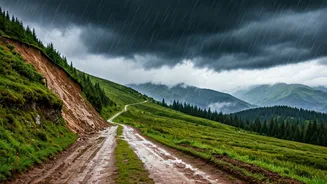


The Promise of a Perfect Break
With the festival of Muharram falling on Friday, June 26, 2026, many Indians are looking at a three-day weekend without needing to take any leave. [2, 5, 21] This marks it as the first major leave-free long weekend of the monsoon season, making it a prime
opportunity for a short vacation. [2] The allure is obvious: a chance to escape the city, enjoy the early monsoon showers in a scenic location, and recharge. Destinations like Lonavala, Igatpuri, and the Konkan coast near Mumbai, or Lansdowne and Kasauli for those near Delhi, become top picks for a quick road trip. [2] The Instagram feeds are already priming us for lush green landscapes and cosy homestay pictures. But the dream often collides with a harsh reality.
Reality Check 1: The Overwhelming Crowds
The biggest issue with a universally accessible long weekend is that everyone has the same idea. Popular tourist spots transform into extensions of city traffic. [22] Hill stations see queues of cars snaking up the ghats, and viewpoints become so packed it’s hard to get a glimpse of the view, let alone a peaceful moment. Beaches are no different, with popular stretches of sand becoming a sea of people. This overcrowding detracts from the very reason you wanted to get away—to find peace and quiet. Instead of a relaxing break, you might spend most of your time navigating crowds and waiting in lines, whether it's for a table at a restaurant or entry to a scenic spot. [22]
Reality Check 2: The Price Surge Nightmare
Basic economics dictates that when demand soars, so do prices. And on a long weekend, they don't just rise; they skyrocket. Flights, trains, and hotels see dynamic pricing at its most aggressive. A hotel room that was affordable a month ago can easily double or triple in price. [2] Reports show that rates for popular corridors like Mumbai-Lonavala can surge by 60-100% in the final week before a long weekend. [2] Even cab fares and local transport at your destination will likely be inflated. This price gouging can turn what was meant to be a budget-friendly trip into a surprisingly expensive affair, leaving you with a sense of being ripped off rather than refreshed. [22]
Reality Check 3: The Gridlock on the Roads
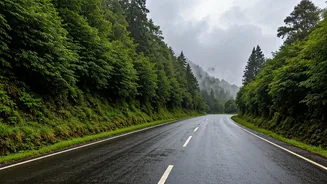
For many, a short trip means a road trip. However, on a long weekend, the journey itself can become the most stressful part of the holiday. Major highways leading out of cities like Mumbai, Delhi, and Bengaluru become parking lots. [22] A drive that should take three hours can easily stretch to seven or eight. You'll spend a significant portion of your precious holiday time stuck in traffic, burning fuel and patience. By the time you reach your destination, you’re often too exhausted and frustrated to enjoy it. The return journey on Sunday is typically just as bad, if not worse, erasing any relaxation you managed to find.
Smarter Alternatives for a Better Break
So, should you just stay home? Not necessarily. The key is to be smarter about your plans. Consider a staycation. Explore your own city like a tourist—visit that new museum, try a restaurant you've been meaning to, or book a night in a nice local hotel with a pool. You get the break from routine without any of the travel stress. [18] Alternatively, choose a truly offbeat destination. [11] Instead of the usual suspects, research smaller, lesser-known towns that are not on the mainstream tourist radar. [8, 12, 19] You might discover a hidden gem that offers a more authentic and peaceful experience. Places like Jibhi in Himachal, Munsiyari in Uttarakhand, or the Konkan village of Velas in Maharashtra offer incredible experiences without the chaotic crowds. [8, 12] Travelling during the shoulder season, just before or after the peak rush, is another great strategy to avoid the crowds and high prices. [15]