




The Tragic Case of Mistaken Identity
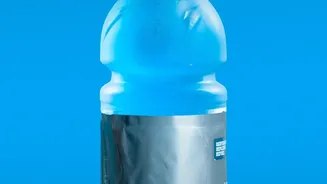
The most immediate and terrifying danger is accidental ingestion. A familiar-looking bottle, especially one previously associated with a refreshing drink, can easily be grabbed in a moment of thirst. An analysis by the National Poisons Information Centre
in India has shown that household products are a major source of poisonings, with the oral route being the most common. Adults and guests can make this mistake, but children are particularly vulnerable. The bright, appealing colours of many toilet or floor cleaners can look like juice to a curious child who can't distinguish between a safe drink and a lethal chemical. What was once a water bottle now contains a recipe for disaster, and by the time anyone realises the error, it could be too late.
More Than Just a Bad Taste
Swallowing a household cleaner isn't like eating spoiled food; the consequences are immediate and severe. Many common Indian cleaning products contain corrosive acids or alkaline substances. For instance, toilet cleaners often contain hydrochloric acid, while drain openers may use sodium hydroxide. When ingested, these caustic substances don't just cause an upset stomach—they cause chemical burns to the mouth, throat, oesophagus, and stomach. This can lead to permanent tissue damage, difficulty swallowing for life, internal bleeding, and an increased risk of cancer. The pain is excruciating, and the damage can be irreversible.
The Container Is Not The Same
Plastic beverage bottles are designed for one thing: holding beverages. They are not built to withstand the potent chemical compounds found in industrial or even household-grade cleaners. Over time, harsh chemicals can degrade the plastic, causing it to become brittle, crack, and leak. This not only creates a mess but also a contact hazard. Furthermore, some chemical reactions within an unapproved container can release toxic gases. For example, a common mistake is mixing bleach and ammonia-based cleaners, which creates dangerous chloramine gas. Storing cleaners in improper containers increases the risk of these volatile and unseen dangers in your home.
First Aid Realities
In the event of accidental poisoning, immediate and correct medical intervention is critical. However, when a chemical has been transferred from its original container, a huge problem arises: doctors don't know what they are treating. The original packaging contains vital information about the chemical composition, specific risks, and first-aid instructions. Without it, medical professionals lose precious time trying to identify the substance. Standard advice like inducing vomiting is often wrong and dangerous for corrosive poisons, as it causes the chemical to burn the oesophagus a second time on its way up. If you suspect someone has ingested a cleaner, call emergency services immediately and, if possible, have the original container ready for responders.
The Safe and Simple Alternatives
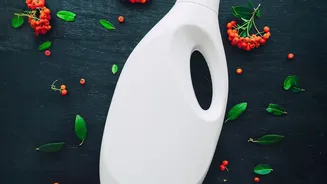
Preventing these horrific accidents is straightforward. The cardinal rule is to always store household chemicals in their original, clearly labelled containers. This ensures that all safety warnings and ingredient information are readily available. If you buy in bulk, purchase smaller, designated, and properly labelled reusable bottles that are specifically made for chemicals and look nothing like drink containers. Store all cleaning products in a locked cabinet or on a high shelf, far out of the reach of children and pets. Never store them in the same areas as food or drinks. A little bit of caution is a small price to pay for the safety and well-being of your family.