






The 'Overrated' Conundrum
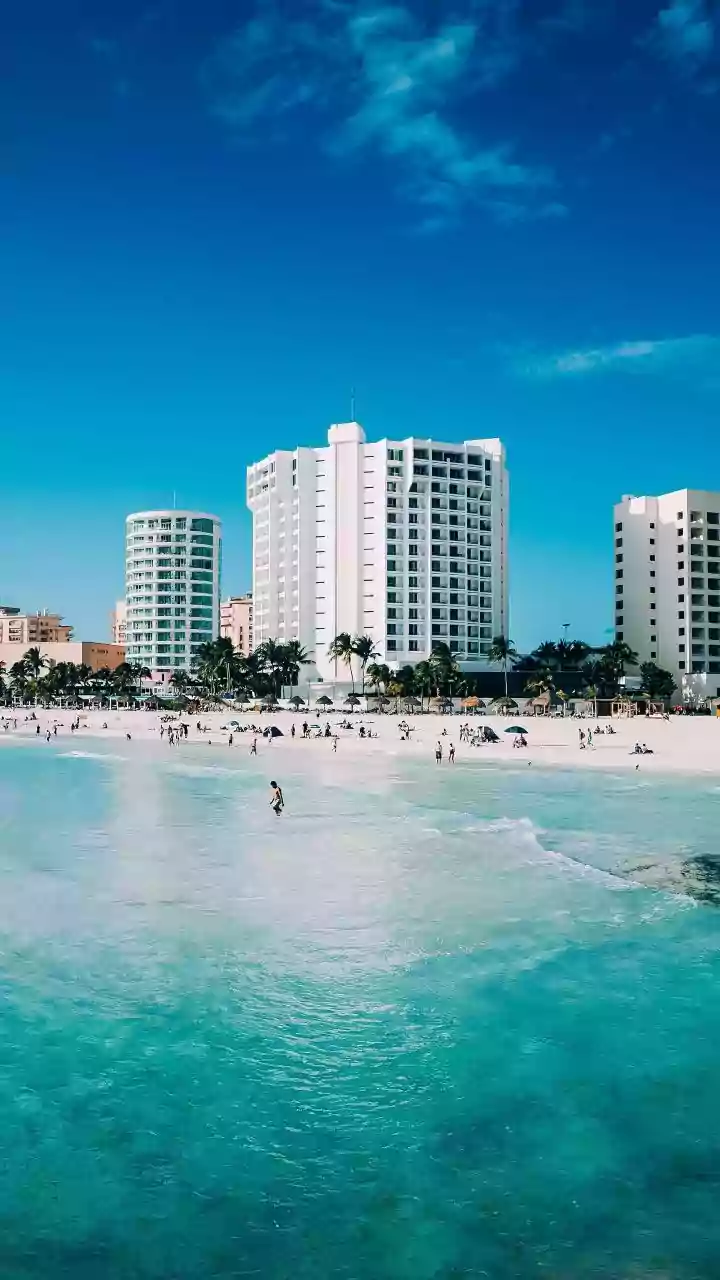
Let’s be clear: places like Boracay and El Nido are famous for a reason. Their beaches and lagoons are genuinely stunning. But 'overrated' often isn't about the scenery; it's about the experience. Peak season can mean navigating a sea of selfie sticks,
paying inflated prices for everything from hotels to water, and feeling like you're on a tourist conveyor belt. The problem isn't the place, but the unsustainable pressure of peak tourism. This is often what travellers refer to when they call a destination overrated—the feeling that the experience lacks authenticity and value for money due to crowds and commercialism.
Timing Is Everything
The single best way to save money and avoid crowds is to travel during the shoulder seasons. For the popular western islands like Palawan and Boracay, the high season runs from December to April. This period offers dry, sunny weather but also the highest prices and biggest crowds, especially around Christmas and Holy Week. Consider travelling in the shoulder months like May, October, or November. You might encounter some rain, but you'll be rewarded with lower prices on flights and accommodation, and you'll have more of that pristine beach to yourself. The rainy season, from June to October, is the cheapest but carries a higher risk of travel disruption.
Smart Stay, Big Savings
The beachfront resort with the infinity pool is tempting, but it’s also where your budget disappears fastest. In places like Boracay, simply staying a few streets back from the main beach can cut your accommodation costs significantly without sacrificing convenience. Look for locally-run guesthouses, family homestays, or well-rated hostels. These options are not only cheaper but often provide a more authentic connection with Filipino hospitality. In El Nido, for example, a budget traveller can find a dorm bed or a basic room for a fraction of a resort's price, leaving more money for experiences.
Eat Like a Local
If you only eat in resort restaurants or tourist-facing establishments along the main beach, you'll pay a premium for often mediocre food. The secret to eating well and cheaply is to find the local 'carinderias' or 'turo-turo' eateries. These simple, family-run food stalls serve delicious, home-style Filipino dishes at incredibly low prices. A satisfying meal at a carinderia can cost you between PHP 100 and 200, whereas a main course at a mid-range tourist restaurant might be three times that amount. Be adventurous and try local specialities like adobo (stewed meat), sinigang (sour soup), and fresh grilled seafood.
Smarter Island Hopping
Island hopping is the quintessential activity in places like El Nido and Coron, but it can be expensive. The standard group tours (Tours A, B, C, D in El Nido) are a good starting point, costing around PHP 1,200–1,800 per person. However, be aware of add–on fees like the mandatory Eco–Tourism fee (around PHP 400), lagoon entrance fees, and kayak rentals, which can significantly increase the cost of your first day out. To save money, join shared group tours instead of private ones. If you're with a small group, you can also try negotiating directly with a local boatman for a custom tour, which often provides more flexibility and a better price than an organised private tour.
Explore the Alternatives
If the idea of sharing a beach with thousands of others doesn't appeal, consider the Philippines' less–hyped destinations. Instead of Boracay, look at Bantayan Island in Cebu for similar white–sand beaches without the crowds and high prices. Instead of heading straight for El Nido in Palawan, consider the quieter, more laid–back vibe of Port Barton. Islands like Siquijor, Camiguin, and Romblon offer stunning natural beauty, a mystical atmosphere, and a glimpse of the Philippines before the tourism boom, all while being significantly cheaper.