




The 'One Bag' Rule Gets Serious
The Bureau of Civil Aviation Security (BCAS) has directed airports and airlines to strictly enforce the 'one handbag' rule. While this policy has technically existed, its application was often inconsistent. Now, authorities are ensuring compliance nationwide.
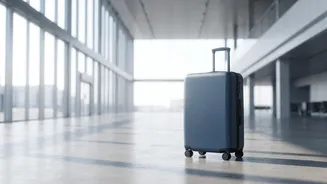
Passengers are permitted to carry only one primary piece of cabin baggage, like a small trolley or duffel bag, plus one small personal item. This renewed focus aims to reduce congestion at security checkpoints and inside the aircraft. Previously, travelers could often board with multiple bags, but this leniency is officially over, with staff instructed to stop non-compliant passengers before they reach the boarding gate.
Why This Change, and Why Now?
The primary driver for this crackdown is enhancing airport efficiency and safety. Security agencies have noted that excess hand luggage significantly slows down the screening process at X-ray scanners, leading to longer queues and passenger frustration. According to a Ministry of Civil Aviation briefing, non-compliance with cabin baggage rules dropped significantly at major airports after enforcement was intensified. Furthermore, multiple bags per person contribute to congestion in the cabin aisles during boarding and deplaning. Overcrowded overhead bins can also become a safety hazard during flight if items are not stowed securely. Officials believe that enforcing the one-bag rule will lead to faster security clearance, quicker aircraft turnaround times, and a safer, more orderly in-flight environment.
Personal Item vs. Second Bag: The Key Difference
Understanding what qualifies as a "personal item" is now critical. Your main cabin bag must adhere to the airline's specific dimensions (typically around 55cm x 35cm x 25cm) and weight limit, which is usually 7 kg for economy class. In addition to this, you are allowed one smaller personal item. This generally includes a ladies' handbag, a laptop bag, a small backpack, or a briefcase that can fit under the seat in front of you. A full-sized second backpack or another roller bag does not count as a personal item. Travelers attempting to carry more than the permitted allowance will be asked to check the extra luggage, often incurring fees at the check-in counter or even higher charges at the boarding gate.
What This Means for Different Travellers
The stricter enforcement will affect various passengers differently. Business travelers on quick trips may need to consolidate their laptop case and a small suitcase into one efficient carry-on. Leisure travelers, particularly those who enjoy shopping, will need to be more mindful, as carrying multiple shopping bags onto the plane will likely no longer be feasible. Families traveling with infants are generally still permitted an additional bag for baby essentials, though it is always wise to confirm the specific airline's policy beforehand. The biggest adjustment will be for passengers who have grown accustomed to using a generous carry-on allowance to avoid checked baggage fees altogether, as airlines are now hiking fees for excess baggage.
Tips for a Smoother Journey
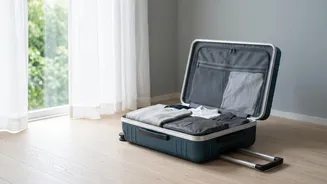
Preparation is the key to a hassle-free airport experience under these rules. First, ensure your cabin bag meets the required dimensions. Second, practice smart packing by using packing cubes and wearing your bulkiest items, like jackets or boots, during travel. Third, consolidate your essentials. If you carry a laptop, choose a bag that has extra space for chargers and other small items, allowing it to function effectively as your single personal item. Finally, always double-check your airline's specific baggage policy online before heading to the airport. Pre-booking any extra baggage you might need is almost always cheaper than paying for it at the airport counter.