





Mastering the Post-Walk Routine
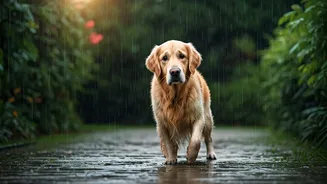
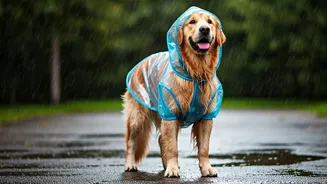
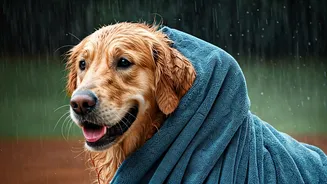
One of the most critical aspects of monsoon pet care is managing hygiene after every walk. A damp coat is a breeding ground for bacteria and fungi, which can lead to skin infections and that persistent wet-dog smell. After any exposure to rain, even a short
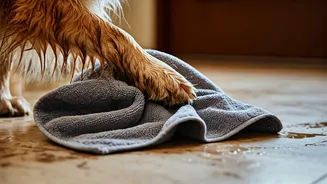
walk, thoroughly dry your pet's fur with a clean, absorbent towel. Pay special attention to their underbelly, armpits, and any skin folds where moisture can get trapped. For long-haired breeds, a pet-friendly hairdryer on a low-heat setting can be a valuable tool to ensure they are completely dry. Establishing a 'muddy paw zone' near your entrance can make this daily cleanup much more manageable.
Prioritise Paw Protection
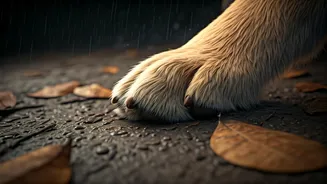
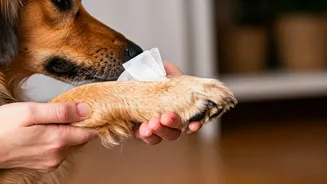
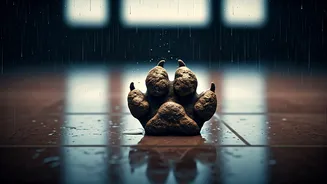
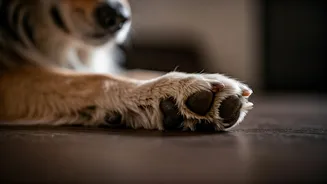
Your pet's paws are on the front line, constantly in contact with wet, muddy, and potentially contaminated surfaces. Puddles can harbour harmful bacteria and parasites, making paw care non-negotiable. After every walk, wash your pet’s paws with lukewarm water and a mild, pet-safe cleanser. Carefully dry the area between their toes, as trapped moisture can cause painful fungal infections, often called pododermatitis. Regularly check their paw pads for any cuts, redness, or irritation. Trimming the fur around the paws can also help prevent mud and debris from clumping. For extra protection, consider applying a vet-approved paw balm before heading out.
Adjust Their Diet and Hydration
The change in weather can affect your pet's appetite and digestive health. High humidity causes food, especially home-cooked or wet food, to spoil faster. Ensure you don't leave meals out for extended periods. Since pets may be less active, you might need to slightly adjust their portion sizes to prevent weight gain. Hydration remains crucial. Never let your pet drink from puddles or stagnant water sources, which are teeming with contaminants that can cause gastrointestinal issues like vomiting and diarrhoea. Always provide fresh, clean drinking water, and consider boiling it first for added safety. Some vets also suggest that immunity-boosting foods or supplements can be beneficial during this season.
Guard Against Seasonal Illnesses
The rainy season is prime time for a host of health problems. The increased humidity creates a perfect environment for ticks and fleas to thrive, so it is vital to be diligent with your vet-recommended prevention plan. Dampness can also lead to ear infections, especially in dogs with floppy ears. It's a good practice to gently clean your pet's ears more frequently during this season. Be vigilant for signs of skin infections, such as excessive scratching, redness, or hair loss. Also, keep your pet's vaccinations up-to-date, as the risk for water-borne diseases like leptospirosis increases.
Create an Indoor Playground
Fewer or shorter walks mean your pet has pent-up energy to burn. Keeping them mentally and physically stimulated indoors is key to preventing boredom and destructive behaviours. Engage them in short, fun activities like indoor fetch, tug-of-war, or brief training sessions to sharpen their skills. Food puzzle toys, snuffle mats, and lick mats are excellent tools that make mealtime a challenging game, providing crucial mental enrichment. Hiding treats around the house encourages them to use their natural sniffing and foraging instincts. For cats, simple things like a cardboard box or a feather wand can provide hours of entertainment.