






The Carry-On Only Mindset
Successfully packing for a four-day trip in a single carry-on is less about magic and more about mindset. The goal is to shift from packing “just in case” items to packing a curated, versatile collection of essentials. Before you even think about what
to pack, accept that you will wear items more than once. This isn't about deprivation; it's about smart curation. Start by checking your airline's specific carry-on size and weight limits. For most domestic flights in India, this is typically one cabin bag weighing up to 7 kg, plus a personal item like a laptop bag or purse. Knowing these limits is the first step to avoiding surprise fees at the gate. A lightweight suitcase or backpack is your best ally, as a heavy bag can consume a significant portion of your allowance before you've even packed a single shirt.
Building Your Four-Day Capsule Wardrobe
A capsule wardrobe is a collection of items that can be mixed and matched to create multiple outfits. For a four-day trip, this is your secret weapon. Choose a neutral colour palette (like black, navy, grey, or beige) for your core items and add pops of colour with smaller accessories. A sample four-day capsule could include: one pair of versatile trousers or jeans, one pair of shorts or a skirt, four tops that coordinate with all your bottoms, one versatile outer layer like a cardigan or light jacket, and one slightly dressier option that can be worn for an evening out. The key is that almost every top should work with every bottom. Fabrics like merino wool or quick-dry synthetics are excellent choices as they are lightweight, resist wrinkles, and can be worn multiple times. And remember the most crucial rule: wear your bulkiest items, like boots and your jacket, on the plane to save precious luggage space.
The Art of Rolling and Compressing
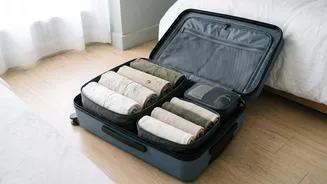
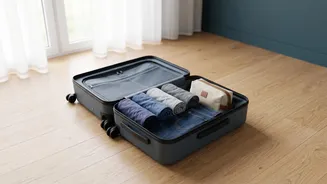
How you pack is just as important as what you pack. Instead of folding your casual clothes, roll them tightly. This technique not only compresses clothing to save a surprising amount of space but also helps minimise wrinkles in many fabrics. For items that don't roll well, like blazers, fold them carefully. To take your organisation and compression to the next level, invest in packing cubes. These zippered fabric containers allow you to compartmentalise your belongings—tops in one, bottoms in another, undergarments in a third. Compression cubes go a step further with an extra zipper that squeezes out excess air, significantly reducing the volume of your clothes. This strategy creates a tidy, modular system inside your bag, making it easy to find what you need without unpacking everything.
Mastering Travel-Sized Toiletries
Liquids are often the biggest carry-on challenge due to security restrictions. For most flights, liquids must be in containers of 100ml or less and fit into a single, transparent, resealable plastic bag. Instead of buying expensive travel-sized versions of your favourite products, decant them into reusable silicone or plastic travel bottles. Better yet, embrace solid toiletries. Shampoo bars, conditioner bars, solid perfumes, and toothpaste tablets are game-changers for carry-on travel. They perform just as well as their liquid counterparts but aren't subject to liquid restrictions, freeing up space in your clear bag for essentials like contact lens solution or liquid foundation. Remember, you can often purchase basics like toothpaste or shower gel at your destination, so only pack what you absolutely need for the first day or two.
Maximising Every Last Inch of Space
Once your main items are packed, it's time to get creative with the leftover nooks and crannies. The inside of your shoes is valuable real estate; stuff them with socks, chargers, or other small, durable items. Arrange your rolled clothing and packing cubes like a puzzle, filling any gaps with smaller items. Keep your essential documents, medications, and a spare change of clothes in your designated personal item, not your main carry-on. This ensures that if you are forced to gate-check your larger bag, you still have your absolute necessities with you. Finally, before you zip up, weigh your bag at home with a portable luggage scale. These inexpensive gadgets can save you from paying hefty overweight fees, which can be as high as ₹600-₹700 per kilogram at the airport counter in India.