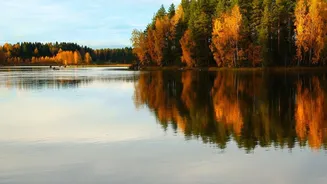





Finland, the land of a thousand lakes and the official home of Santa Claus, promises magical experiences. But for many travellers, the dream of seeing the Northern Lights or visiting Lapland is met with the harsh reality of steep prices.
The Arctic Allure of Lapland
For many, Finland
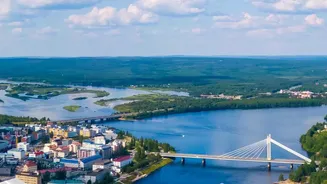
is synonymous with Lapland—a vast, snowy wilderness promising husky sledding, reindeer encounters, and the ethereal dance of the Northern Lights. The epicentre of this tourism boom is Rovaniemi, the official hometown of Santa Claus. The Santa Claus Village is a major draw, attracting families and festive travellers year-round. However, this popularity comes at a cost. Many visitors are surprised to find that while meeting Santa himself is free, the experience is highly commercialised with numerous souvenir shops. The real expenses lie in the activities that complete the Arctic fantasy.
Decoding Lapland's High Costs
A trip to Lapland can quickly become expensive. A husky safari, one of the most popular activities, can cost anywhere from €90 to over €140 per person for a two-hour experience. Similarly, a reindeer sleigh ride may range from €60 to €90 for a one-hour trip. Aurora hunting tours, which take you away from city lights to see the Northern Lights, typically cost between €80 and €130. Accommodation, especially unique stays like glass igloos, can run into several hundred euros per night, placing them firmly in the luxury category. These prices, especially during the peak Christmas season, can add up, turning a dream holiday into a significant financial commitment.
Helsinki's Hidden Expenses
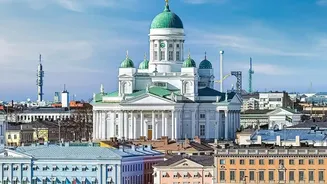
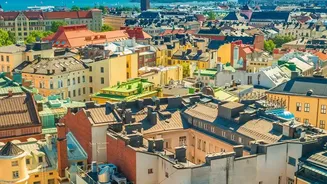
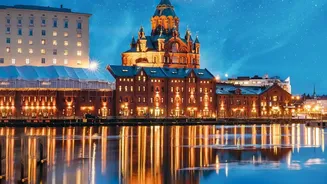
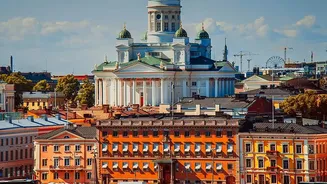
The high costs aren't confined to the Arctic Circle. Finland's capital, Helsinki, is also known for being one of the pricier cities in Europe. Accommodation in the city centre can be costly, with budget hotel rooms often starting around €70–€120 per night. Eating out is another major expense; a simple lunch special might cost €10-€14, while a mid-range restaurant dinner can easily be €22–€30 per person. Even a coffee can set you back €4. While the city offers beautiful architecture and numerous free parks and attractions like the Suomenlinna sea fortress, daily expenses for food and lodging are significantly higher than in many other European capitals.
Expectation vs. Reality: Are They 'Overhyped'?
The term 'overhyped' often comes down to a mismatch between expectation and reality, particularly for budget-conscious travellers. Some visitors find the Santa Claus Village to be more commercial than magical. Others report that popular attractions like the Temppeliaukio Church (Rock Church) in Helsinki can be so crowded that it detracts from the experience. Some tour operators in Lapland have been known to offer short, crowded experiences that feel more like an assembly line than an authentic Arctic adventure. For those investing a significant portion of their travel budget, these experiences can feel like a letdown. The key is to research thoroughly and understand what you are paying for.
Smarter Alternatives for the Savvy Traveller
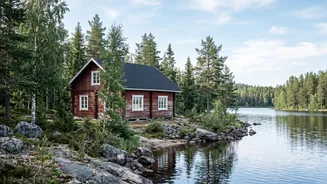
A rewarding trip to Finland doesn't have to break the bank. Instead of focusing solely on the most famous spots, consider some equally beautiful but less expensive alternatives. In Lapland, look at smaller towns beyond Rovaniemi, which may offer more authentic and affordable experiences. Instead of a costly glass igloo, a traditional Finnish cottage or 'mökki' can provide a cozy base for Northern Lights hunting. In Helsinki, save money by eating at market halls, which offer delicious local food at a fraction of restaurant prices. Consider visiting other cities like Turku, Finland's former capital, which offers rich history and access to a stunning archipelago at a lower cost. Finland's 'everyman's right' also allows you to camp and forage in nature for free, offering a truly budget-friendly way to enjoy the country's stunning landscapes.