




The Reality of the Open Road
The allure of a mountain drive is powerful. We picture ourselves cruising along scenic ghats, music playing, with the freedom to stop anywhere. The reality, especially in the majestic but challenging Indian Himalayas, is often a different story. It involves
hours stuck in traffic jams, navigating treacherous, narrow roads, and the constant stress of watching for oncoming traffic. The driver, tasked with the demanding job of maneuvering the vehicle, rarely gets to soak in the stunning vistas they came to see. Add the risk of unpredictable weather, sudden landslides, and the general fatigue of a long drive, and the dream trip can quickly turn into an endurance test. The promise of freedom can feel more like being trapped in a metal box, inching towards a destination you're too tired to enjoy upon arrival.
The Unmatched Charm of Slow Travel
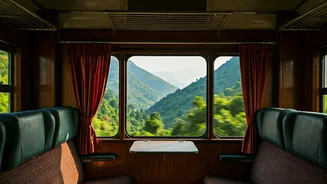
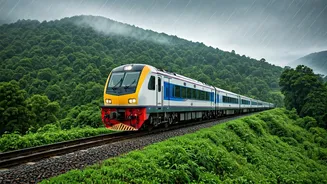
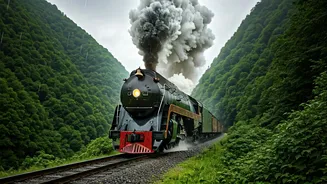
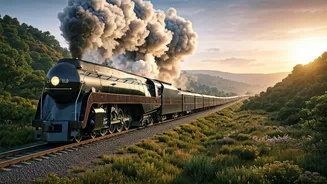
Now, imagine an alternative. Instead of gripping a steering wheel, you’re holding a warm cup of chai. The rhythmic chugging of the engine is your soundtrack, not the blare of horns. This is the world of India's mountain railways, often affectionately called 'toy trains'. These aren't just modes of transport; they are rolling heritage and an invitation to embrace a slower, more mindful way of travelling. Aboard these trains, the journey itself becomes the destination. You have the luxury of time—time to read, to talk to fellow passengers, to watch the world unfold without the responsibility of navigating it. It's a chance to disconnect from the frantic pace of modern life and reconnect with the simple joy of movement and observation.
Journeys Through a Postcard
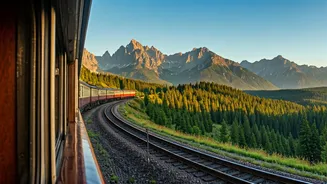
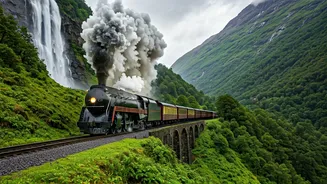
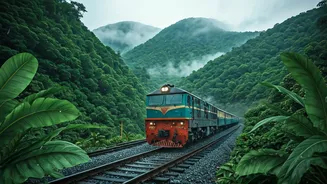
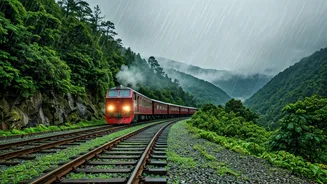
India is blessed with several engineering marvels that wind their way through its mountains, and three of them are so special they've been collectively recognised as a UNESCO World Heritage Site: the Mountain Railways of India. First, there’s the Darjeeling Himalayan Railway, which has been chugging along since 1881. This narrow-gauge train loops and zig-zags its way from the plains of West Bengal up to the misty heights of Darjeeling, passing through vibrant tea gardens with views of Kanchenjunga. Then there is the Kalka-Shimla Railway, which navigates over 100 tunnels and 800 bridges on its scenic six-hour journey to the former summer capital of British India. Finally, in the south, the Nilgiri Mountain Railway takes you to Ooty, using a unique rack-and-pinion system to climb the steepest track in Asia. Each journey offers a cinematic experience, a rolling panorama of gorges, forests, and valleys.
A Window to Another World
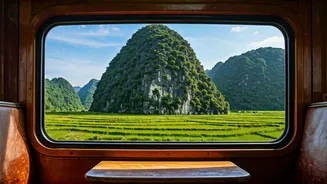
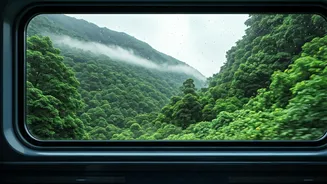
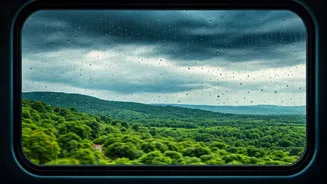
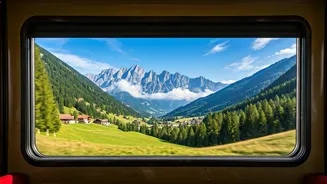
A car on a highway is insulated from the world it passes through. A train window, however, is a portal. As the toy train ambles along at a gentle pace, often just 20-25 km/h, the world outside isn't a blur; it's a series of vivid vignettes. You see children waving from small villages, life unfolding in the backyards of houses built right alongside the tracks, and vendors hopping on at tiny, picturesque stations to sell local snacks. The train line is woven into the fabric of the communities it serves. You pass through bustling markets, wave at local residents, and get a glimpse into a way of life that a highway bypasses entirely. This intimate connection to the landscape and its people is a form of cultural immersion that no road trip can truly replicate.