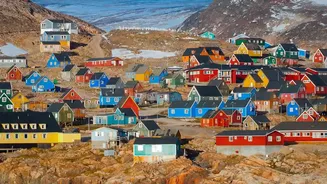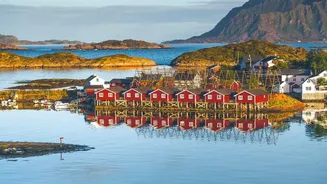






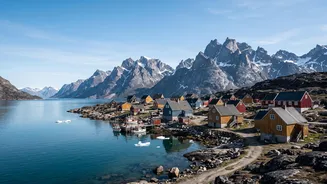
In the vast, icy landscapes of Greenland, where modern life meets ancient horizons, some traditions are too vital to fade. For the Inuit, dog sleds and kayaks are not relics of a bygone era, but enduring symbols of survival and cultural identity.
The Oldest Partnership
For thousands
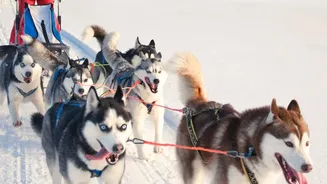
of years, the relationship between humans and dogs has been crucial for survival in the Arctic. The Greenlandic sled dog, or Qimmeq, is one of the world's oldest and purest breeds, with a genetic lineage stretching back 9,500 years to Siberia. Evidence of their partnership with humans in Greenland dates back to the Saqqaq culture, though it was the Thule people, ancestors of the modern Inuit, who perfected the art of dog sledding around 800 years ago. This wasn't merely a form of transport; it was a dynamic collaboration. The dogs' strength and innate navigational abilities allowed hunters to traverse vast, frozen landscapes, track seals' breathing holes under the ice, and provide protection by warning of approaching polar bears. This bond, built over centuries of mutual reliance, remains a cornerstone of life in Greenland's northern and eastern villages.
The Hunter's Silent Vessel
Just as the dog sled mastered the ice, the qajaq—or kayak—mastered the frigid waters. Developed over 4,000 years ago, this lightweight vessel is a marvel of Indigenous engineering. Traditionally constructed from a frame of driftwood or whalebone and covered in waterproof sealskin, each qajaq was custom-built to fit its owner, ensuring perfect balance and stealth. This 'hunter's boat' allowed for a silent approach to seals, walruses, and even whales in the icy fjords. Paddling techniques, including the vital roll to right a capsized boat in freezing water, were skills passed down through generations. Today, while modern materials like fibreglass are common for recreational use, the traditional qajaq remains a powerful symbol of national identity and ingenuity, with annual championships celebrating these ancient skills.
A Culture Facing Change
These traditions now face unprecedented challenges. The Arctic is warming three to four times faster than the global average, and the impact is felt daily. Sea ice, the 'highway' for dog sleds, is forming later, melting earlier, and becoming dangerously unpredictable. In some recent winters, the ice has failed to form at all, isolating communities and crippling the ability to hunt. This directly threatens the livelihoods and food security of those who depend on traditional practices. Alongside climate change, the convenience of snowmobiles and motorboats presents a challenge to the old ways, leading to a decline in the sled dog population in some regions over the past few decades.
Preservation in a Modern World
Despite these pressures, the spirit of these traditions endures through a conscious effort to keep them alive. In many towns, laws protect the purity of the Greenlandic sled dog breed, and the government has provided support to hunters impacted by poor ice conditions. Cultural preservation is a priority, with local museums and national organisations like the Greenland National Museum & Archives working to protect and document this heritage. Kayaking clubs and national championships are reviving interest among younger generations, connecting them to their identity and history. Furthermore, tourism has become an unlikely ally. Visitors from around the world travel to Greenland to experience the thrill of a dog sled journey or to paddle among icebergs, providing a new economic incentive for hunters and guides to maintain their skills and their dog teams.