





The Couch is the New Competition
The single biggest shift in our viewing habits isn't in the cinema hall; it's in our living rooms. The rise of streaming platforms like Netflix, Amazon Prime, and Disney+ Hotstar has given us a near-infinite library of content. This isn't just about convenience;
it's about quality. With 4K televisions, sophisticated soundbars, and day-one releases of major films on OTT services, the home experience now rivals the theatrical one for many types of movies. For dramas, comedies, and smaller-scale films, the question is no longer just 'Is it worth seeing?' but 'Is it worth leaving the house for?'. When the alternative is watching a film for a fraction of the cost, with the ability to pause at will, the cinema has to offer something truly exceptional.
The High Price of Popcorn and a Ticket
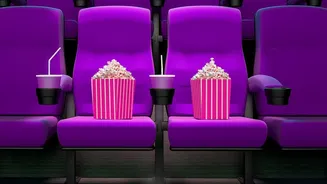
A trip to the multiplex has become a significant financial decision. Ticket prices, especially for premium formats like IMAX or 3D in metro cities, can be steep. Add the cost of snacks and drinks—where a tub of popcorn can cost more than a monthly streaming subscription—and a family outing can become a major expense. In India, while average ticket prices vary, a trip for a family of four to a major multiplex can easily run into thousands of rupees. This high cost creates a psychological need for a guaranteed return on investment. Audiences want to feel that their money was well spent, and a massive, visually stunning blockbuster that can only be fully appreciated on a giant screen feels like a safer bet than a quiet drama that might be just as good at home.
Studios Are All-In on 'Event' Films
Film studios have responded to these behavioural shifts by changing their own strategies. They are pouring hundreds of millions of dollars into producing and marketing a smaller number of huge 'event' films. These are movies designed from the ground up to be cinematic spectacles—think sprawling superhero sagas, sci-fi epics, and action-packed blockbusters that leverage sound design and visual effects that simply don't have the same impact on a smaller screen. This 'go big or go home' approach means that mid-budget films—the adult dramas, romantic comedies, and original thrillers that used to be the backbone of the industry—are increasingly sold directly to streaming services. The result is a self-fulfilling prophecy: theatres are dominated by spectacles because that is what studios are primarily releasing in them.
The Fear of Missing Out
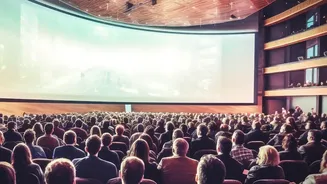
Big spectacles are more than just movies; they are cultural moments. A new Marvel release, a sequel to a beloved franchise, or a film from a visionary director like Christopher Nolan becomes part of the global conversation. Seeing these films on opening weekend is about being part of that event. There is a social currency to being able to discuss the latest plot twists and surprises. This creates a 'fear of missing out' (FOMO) that drives people to the theatre to avoid spoilers and participate in the collective experience. The shared emotion of watching a thrilling action sequence or a shocking reveal in a room full of people is a powerful draw that streaming cannot replicate. This communal aspect turns the movie from a passive viewing into an active social event.
The Future of the Multiplex Experience
As a result of these forces, the multiplex itself is evolving. To justify the cost and effort, cinemas are transforming into premium destinations. Reclining seats, gourmet dining options, and immersive formats like Dolby Cinema are becoming standard as theatres focus on providing an enhanced experience that cannot be replicated at home. While this trend seems to sideline smaller films from the big screen, there are some signs of a potential revival for mid-budget cinema as audiences show fatigue from endless sequels. However, the dominant trend remains clear: for most people, the cinema is no longer the default place to watch a movie. It is a destination for an event, and the bigger and more spectacular that event is, the more likely they are to buy a ticket.