



The Danger of Drowning
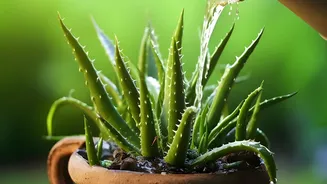
It seems counterintuitive, but the most common cause of houseplant decline is often too much water, not too little. While roots need moisture, they also need to breathe. Soil that is constantly wet becomes waterlogged, filling the air pockets that roots rely
on for oxygen. Without access to oxygen, roots effectively begin to drown. This anaerobic environment is the perfect breeding ground for fungi and bacteria, which attack the weakened roots, leading to a condition known as root rot. What starts as a simple case of overwatering can quickly become a fatal problem if not addressed.
Decoding the Warning Signs
The tricky part about diagnosing root rot is that its symptoms often mimic those of a thirsty plant. You may notice leaves turning yellow or brown, wilting, or a general lack of new growth. A plant may appear wilted even when the soil is damp to the touch. This is because the decaying root system can no longer absorb the water and nutrients the plant needs to survive. In some cases, you might also detect a sour or unpleasant smell coming from the soil, which is a telltale sign of decay. If you see these signs, especially in combination with perpetually moist soil, it’s time for a closer look.
The Moment of Truth: A Root Inspection
To confirm root rot, you must examine the root system directly. Gently slide the plant out of its pot; you may need to tap the sides to loosen it. Healthy roots should be firm and white or light-coloured. If you are greeted by a tangled mass of brown or black, mushy, and sometimes smelly roots, you have found the problem. Rotted roots are soft and may even fall apart when you touch them. Don't be afraid to get your hands dirty—this step is crucial for saving your plant.
Emergency Surgery for Rotted Roots
Once root rot is confirmed, you need to act quickly. First, gently rinse the soil from the root ball to get a clear view. Using a clean, sharp pair of scissors or pruning shears, carefully trim away all the dark, mushy, and dead roots. Be thorough; leaving any rotted material behind can allow the decay to spread. It may feel drastic, especially if you have to remove a significant portion of the root system, but it's a necessary step to give the remaining healthy roots a chance to recover.
A Fresh Start in the Right Home
After trimming the roots, repot the plant in fresh, well-draining potting mix. Do not reuse the old, contaminated soil. Choose a new pot that has ample drainage holes. If your preferred pot lacks holes, use it as a decorative cachepot, placing the plant in a plastic nursery pot inside it. An effective potting mix for most houseplants contains ingredients like peat moss, perlite, and vermiculite, which provide a balance of moisture retention and aeration. Perlite is particularly good for enhancing drainage and preventing the soil from becoming compacted. This new environment will help prevent water from pooling around the roots in the future.