





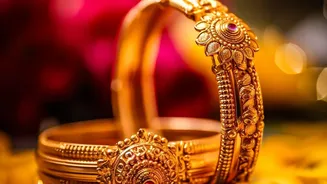
In India, gold is more than an investment; it’s an emotion woven into the fabric of family life. It represents prosperity, security, and a legacy passed through generations, making its acquisition a cherished cultural and ritualistic practice.
A Symbol of Blessings and Prosperity
Gold's significance
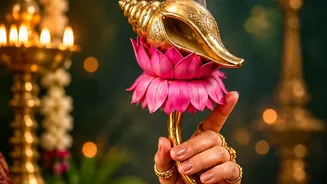
in India is deeply tied to spirituality and prosperity. In Hindu mythology, it is associated with Goddess Lakshmi, the deity of wealth and fortune. This connection transforms the act of buying gold from a simple transaction into a ritual to welcome divine blessings. The metal’s inherent purity—it doesn’t rust or tarnish—mirrors concepts of spiritual immutability. This makes gold the preferred material for adorning deities in temples and a key element in religious ceremonies, where it is believed to attract positive energy and ward off negativity. Its association with the sun in Vedic astrology further enhances its status, linking it to life, energy, and success.
Festivals of Fortune
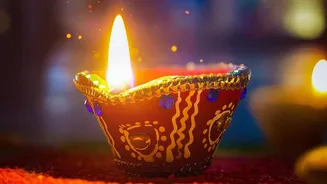
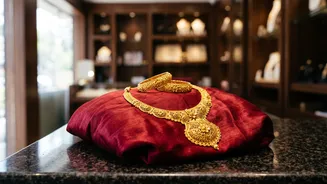
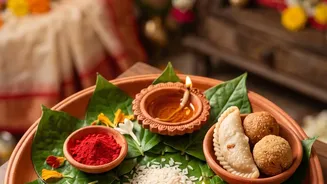
The calendar year in India is marked by several festivals where buying gold is considered highly auspicious. Dhanteras, which precedes Diwali, is one of the most significant gold-buying days. Families purchase gold, even if it's just a small coin, to honour Goddess Lakshmi and Lord Kubera, the god of wealth. Another major occasion is Akshaya Tritiya. The word 'Akshaya' means 'never diminishing', and it is believed that any valuable bought on this day will bring eternal fortune and grow over time. Other regional festivals, like Gudi Padwa in Maharashtra, also see a surge in gold purchases, driven by the belief that it ushers in a prosperous new year.
The Cornerstone of Indian Weddings
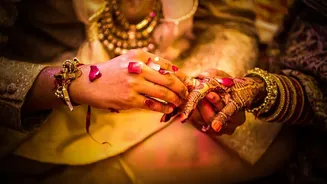
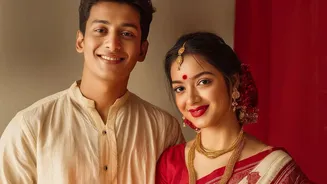
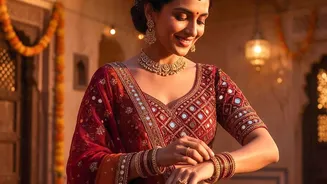
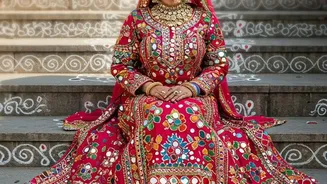
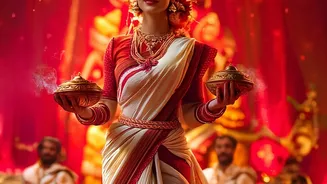
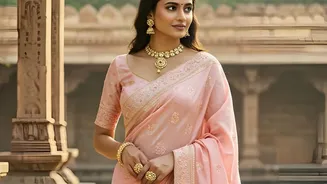
An Indian wedding is incomplete without the gleam of gold. It is central to the bridal ensemble and symbolizes the family's blessings, social status, and wealth. A bride is adorned with gold jewellery, not just for beauty, but as a token of the prosperity she brings to her new life. These pieces are often part of her 'Stridhan'—the wealth she receives before, during, and after her marriage that is legally hers alone. Historically, when women had limited inheritance rights, Stridhan in the form of gold provided a crucial financial safety net. This tradition continues to empower women, giving them an asset they control absolutely. The exchange of gold also solidifies bonds between the two families.
A Tangible Thread of Inheritance
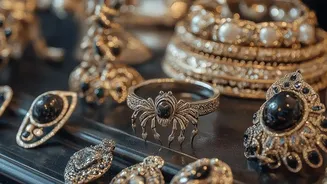
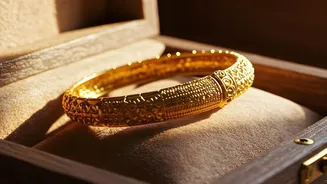
Beyond its ritualistic and financial roles, gold serves as a powerful emotional connector between generations. Jewellery is rarely just an asset; it is a collection of memories. Pieces are passed down from grandmothers to mothers to daughters, each item carrying stories and sentimental value that far exceed its market price. This act of passing down heirlooms is a ritual in itself, a physical transfer of a family's legacy and blessings. An inherited necklace or a pair of bangles becomes a tangible link to one's ancestors, preserving family history and tradition. This continuous cycle of gifting and inheriting ensures that the love for gold and its cultural importance remains deeply ingrained in Indian families.