

The Weakest Link Principle
The simplest rule for mixed leftovers is to follow the shelf life of the most perishable ingredient. If your dish contains cooked fish, which is best eaten within a day or two, the entire dish now has that shorter two-day window, even if the other components,
like roasted potatoes, could have lasted longer on their own. The general guideline for most cooked leftovers is three to four days in the refrigerator, but this is a broad average. Specific items like seafood, egg dishes, or creamy sauces often have a much shorter safety window. When you combine these ingredients, the most fragile one dictates the timeline for the entire meal. Think of it as a team effort where the team is only as strong as its most delicate member.
Why Mixing Changes the Game
When you mix ingredients, you create a new environment where microbes can thrive. Each component brings its own moisture content, acidity (pH level), and native bacteria into the mix. A wet ingredient like a tomato-based sauce can transfer moisture to a drier one like pasta or grains, waking up dormant microbes and accelerating spoilage. This cross-contamination isn't just about bacteria; it's also about chemical reactions. Enzymes from different foods can interact, breaking down textures and creating off-flavours faster than they would if stored separately. The act of chopping, mixing, and cooking also introduces oxygen and breaks down cell walls, releasing sugars and nutrients that become a feast for bacteria.
Moisture and Acidity Are Key
Water is life, especially for the bacteria and mould that spoil food. A dish with high moisture content, like a soup, stew, or a curry, provides an ideal environment for microbial growth. This is why a dry stir-fry might last a bit longer than a creamy korma. Acidity is another major factor. High-acid ingredients like tomatoes, vinegar, or citrus act as natural preservatives, inhibiting bacterial growth. However, when you mix an acidic ingredient with a low-acid one (like grains or dairy), you can neutralise that protective effect, landing the dish in the pH 'danger zone' where bacteria flourish. This is why adding cream to a tomato soup at the end can shorten its lifespan compared to the soup base alone.
Best Practices for Storing Mixed Meals
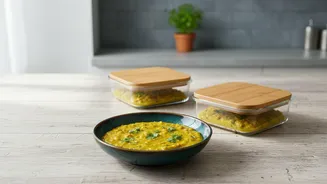
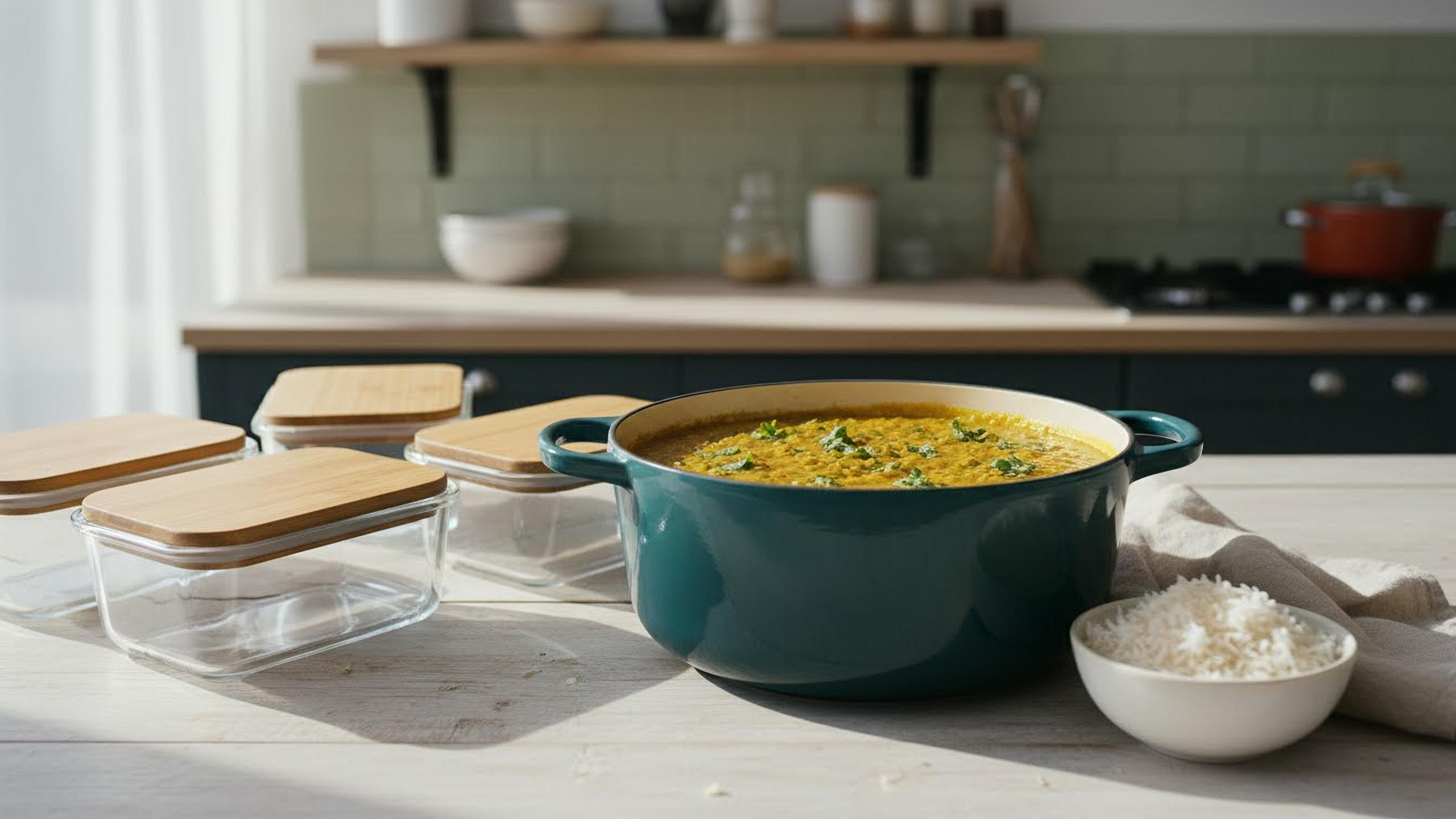
To get the most out of your leftovers safely, proper storage is crucial. First, cool the food down as quickly as possible—ideally within two hours of cooking. To speed this up, divide large batches into smaller, shallow containers. This prevents the food from lingering in the temperature 'danger zone' (between 40°F and 140°F or 4°C and 60°C), where bacteria multiply rapidly. Use airtight containers to protect the food from airborne microbes and to prevent moisture and odour transfer in the fridge. Labelling containers with the date and contents is also a smart habit. It removes the guesswork and helps you follow the 'first in, first out' rule, reducing waste. When you're ready to eat, reheat the food thoroughly to an internal temperature of 165°F (74°C) to kill any potential bacteria.