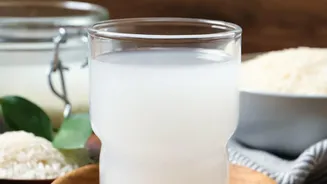




The Trend: What Is Fermented Rice Water?
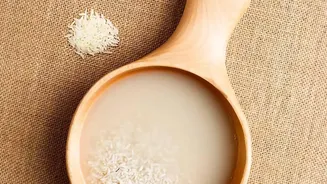
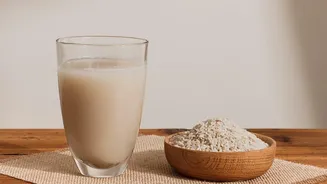
Before you picture the cloudy water from rinsing uncooked rice, let’s clarify. The wellness drink causing a stir is typically the liquid left over from cooked rice, which is then left to ferment, usually overnight. This process, which can last from 12
to 48 hours, transforms the starchy water into a slightly tangy, sour liquid teeming with beneficial microorganisms. While many associate rice water with hair care, this edible version is consumed for its internal benefits. The fermentation process not only changes the taste but also the nutritional profile of the liquid, making it a gut-friendly tonic.
Ancient Roots in Indian Kitchens
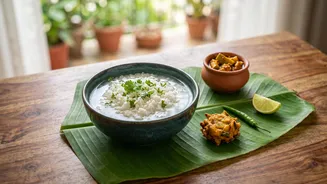
This modern wellness trend is deeply rooted in Indian culinary history. For generations, households in Eastern and Southern India have practiced this out of frugality and wisdom. In Bengal and Odisha, it is known as Panta Bhat or Pokhalo, a cherished summer meal where leftover rice is soaked overnight and eaten the next day to cool the body and aid digestion. In Kerala, a similar preparation called Kanji Vellam is a go-to remedy for stomach ailments and dehydration. These traditional foods were a way to make every grain count while unknowingly creating a nutrient-dense, probiotic-rich meal that provided energy for a long day's work.
The Science of Gut Support
The magic of fermented rice water lies in the fermentation process. Soaking cooked rice overnight allows for the growth of beneficial bacteria, particularly Lactic Acid Bacteria. These are natural probiotics that help support a healthy gut microbiome. A balanced gut is crucial, as it aids in better digestion, nutrient absorption, and even supports the immune system. Furthermore, scientific analysis has shown that fermentation can increase the bioavailability of certain nutrients. Studies have noted that fermented rice can have significantly higher levels of iron and potassium, as well as B vitamins like B6 and B12, compared to plain cooked rice. The process also creates postbiotics, which are byproducts like short-chain fatty acids that help reduce inflammation and strengthen the intestinal barrier.
Beyond the Gut: Hydration and Energy
In a country with hot and humid climates, hydration is key. Fermented rice water, with its high water content, is an excellent natural hydrator. Traditionally consumed in the morning, it replenishes fluids lost overnight and offers a cooling effect on the body, which can help prevent heat-related discomfort and stomach issues. The carbohydrates from the rice provide a source of easily digestible energy, making it a light yet sustaining way to start the day without the heaviness of a large breakfast. Many users report feeling more energetic and less bloated after incorporating it into their routine.
How to Try It Safely at Home
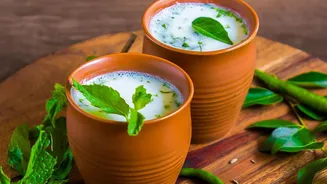
Making your own fermented rice water is simple. Take a portion of cooked rice (unpolished rice like Matta rice is often preferred) and place it in a clean clay or glass bowl. Submerge it in clean, preferably boiled and cooled, water and cover the bowl loosely. Let it sit at room temperature overnight, or for about 8-12 hours. The next morning, the water will have a slightly sour aroma, indicating fermentation. You can drink the water as is, or mash the rice into it and consume the gruel. It's often seasoned with salt, chopped onions, and green chillies. When fermenting at home, hygiene is critical to prevent the growth of harmful bacteria. Always use clean utensils and start with a small amount to see how your body reacts.
A Balanced View: Hype vs. Reality
While fermented rice water has a long history of use and a plausible scientific basis for its benefits, it's important to have realistic expectations. It is not a magic cure for all digestive woes. Most of the evidence is rooted in traditional use and smaller scientific studies, with larger-scale human trials still needed to make definitive claims. People with sensitive stomachs, histamine intolerance, or compromised immune systems should exercise caution, as fermented foods can sometimes cause bloating or other adverse reactions. Ultimately, it should be seen as a supplement to a balanced diet and a healthy lifestyle, not a replacement for medical advice.