





A Cycle of Confinement
Delhi's battle with air pollution is an annual crisis, and its impact on children is profound and multifaceted. On November 13, 2026, the city's air quality index (AQI) reached a critical level of 494, firmly in the 'Severe' category. This environmental
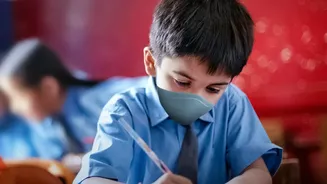
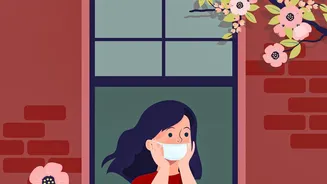
emergency has once again forced authorities to act. Following the implementation of GRAP Stage III, schools for children up to Class 5 have been shifted to hybrid mode, allowing parents to keep them at home. This decision, while necessary for physical health, traps children in a cycle of confinement. First, it was the global pandemic that locked them indoors. Now, the annual 'smog season' does the same, creating a recurring pattern of isolation that experts warn has significant consequences.
The Hidden Costs of Staying Indoors
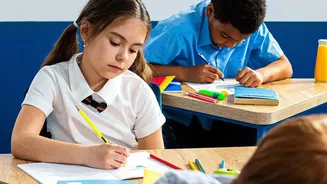
The shift indoors and online is not a simple inconvenience; it is a developmental disruption. Child psychologists and epidemiologists have highlighted that reduced physical activity and social interaction can severely affect a child's overall growth. Outdoor play is crucial for developing motor skills, social cues, and emotional regulation. When children are confined, and their primary social outlet—school—is either closed or virtual, it can lead to heightened irritability, restlessness, anxiety, and frustration. Studies have shown that prolonged confinement leads to a sharp increase in behavioural issues. One survey found 77% of children felt anxious or distressed due to poor air quality, with girls reporting higher levels of stress.
When Screens Become the Only Window
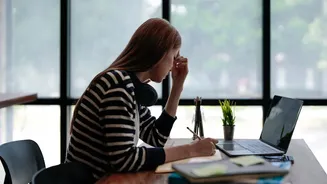
With outdoor activities off-limits, parents and children are pushed towards screens for both education and entertainment. This creates a difficult dilemma. The very tool meant for learning—online classes—contributes to increased screen time, which is linked to a host of problems including sleep disorders and a drop in concentration levels. Experts point out that when children cannot go outside, they often turn to social media and online content, creating a cycle of screen dependence driven by the brain's reward system. This digital-only existence is a poor substitute for real-world interaction, and it fails to provide the rich, sensory experiences necessary for healthy brain development. The reliance on screens can further deepen feelings of isolation, even while notionally 'connected'.
The Anxiety of an Unseen Threat
There is also a growing awareness among children that the air they breathe is harmful. This concept, often termed 'pollution anxiety', is an emerging mental health concern. Studies show that children are not just physically but also emotionally affected by the constant threat of pollution. A survey by the NGO Chintan found that nearly 70% of children in Delhi-NCR felt stressed and worried due to poor air quality. This constant environmental stress can manifest as chronic fatigue, emotional burnout, and irritability. Knowing that the world outside their door is 'hazardous' can erode a child's fundamental sense of safety, leading to long-term anxiety about their health and future. Many children now miss school due to pollution-related illnesses, further disrupting their education and social lives.
Building Resilience in a Hazy World
While the long-term solution lies in systemic environmental change, parents and educators are on the front lines, trying to mitigate the damage. Experts advise creating structured routines at home to provide a sense of normalcy during periods of confinement. Engaging children in indoor activities, fostering hobbies that don't involve screens, and maintaining connections with friends through controlled interactions can help combat loneliness. It is also crucial to have open and honest conversations. Explaining the situation in an age-appropriate manner can empower children rather than frighten them, helping them understand the precautions being taken. For many parents, the anxiety is palpable, with a recent survey showing over half want authorities to proactively announce a 'smog break' for schools in advance.