



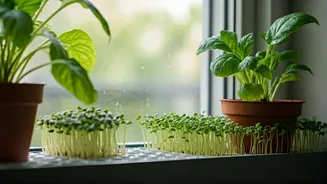


Why Your Plants Love the Humid Air
To understand why monsoon is a blessing for your balcony or garden, we need to think about how plants 'breathe.' Plants lose water through tiny pores on their leaves called stomata in a process called transpiration. On hot, dry days, this water loss is rapid,
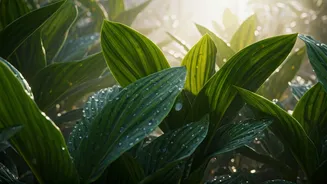
forcing the plant to work hard to draw more water from its roots. If it can't keep up, it wilts. During the monsoon, the air is already saturated with water vapour. This high humidity dramatically slows down the rate of transpiration. With less water escaping from their leaves, plants are less stressed. This means they can focus their energy on growth, producing lush new leaves and stronger stems instead of just surviving.
Adjust Your Watering Schedule
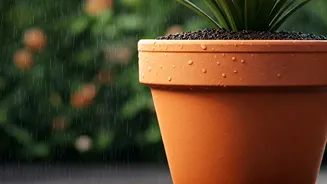
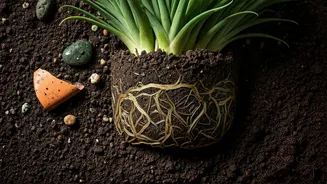
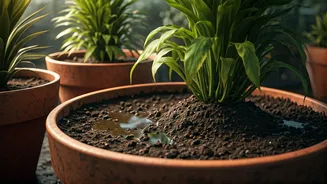
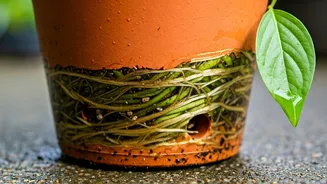
The most common mistake gardeners make during monsoon is overwatering. With less water being lost to evaporation from the soil and transpiration from the leaves, your plants simply don't need as much water. A fixed watering schedule can quickly lead to waterlogged soil, which suffocates roots and invites deadly root rot. Instead of watering daily, adopt the 'finger test' method. Poke your finger about an inch into the soil. If it feels damp, wait another day or two before watering. Good drainage is more critical than ever now. Ensure your pots have drainage holes and that they aren't clogged. If possible, elevate pots on stands to allow excess water to drain away freely and promote air circulation around the base.
The Perfect Time for New Beginnings
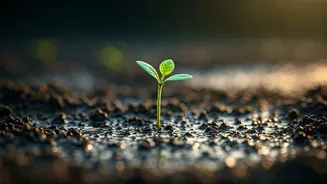
If you've been putting off repotting a plant or wanting to propagate new ones from cuttings, now is the time to act. The high humidity provides a safety net against 'transplant shock.' When a plant is moved, its root system is disturbed and temporarily struggles to absorb water. The humid air ensures the leaves don't dry out while the roots recover and establish themselves in their new home. Similarly, cuttings taken during monsoon are far more likely to root successfully. The moist air prevents the cutting from wilting and dying before it has a chance to develop its own root system. It’s like having a free, natural greenhouse for your propagation projects.
Plants That Thrive in the Monsoon
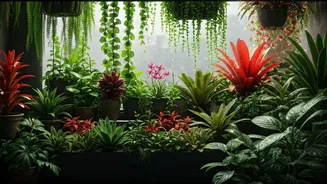
While most plants enjoy the break from dry heat, some truly come into their own during the monsoon. This is the peak growing season for most tropical foliage plants. Monsteras, Philodendrons, and Syngoniums (Arrowhead Plants) will push out new leaves at an astonishing rate. It's an ideal time for ferns, which adore the moist atmosphere. Peace Lilies, Calatheas, and Aglaonemas (Chinese Evergreens) will also look their best. In the outdoor garden, flowering plants like Hibiscus, Balsam, and Spider Lilies put on a spectacular show. If you've struggled with these plants before, the monsoon might just be the season you finally succeed with them.
Watch Out for Fungal Foes
This forgiving environment is not without its challenges. The same damp, humid conditions that plants love are also perfect for fungal diseases and pests. Keep a close eye on your plants for signs of trouble like powdery mildew (a white, dusty coating on leaves) or black spots. The best defence is good air circulation. Avoid cramming your plants too close together; give them space to breathe. Prune any yellowing or dead leaves promptly, as they can be breeding grounds for fungus. If you spot a problem, isolate the plant immediately to prevent it from spreading. A simple, organic solution of neem oil mixed with water and a drop of liquid soap can be sprayed on plants as a preventative measure every 10-15 days.