


Not Just Sunny Skies Ahead
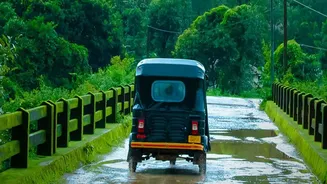
The withdrawal of the monsoon is a gradual transition, not an abrupt switch to perfect weather. While rainfall ceases, the land remains moist. This, combined with rising temperatures as the cloud cover clears, often leads to a period of high humidity
and uncomfortable daytime heat, a phenomenon popularly known as the 'October Heat'. This transitional weather, lasting from October to mid-November, typically features hot days and cooler, pleasant nights. So, while you plan your adventures, be prepared for this unique climate phase before the true winter chill sets in.
The Perfect Window for Trekking
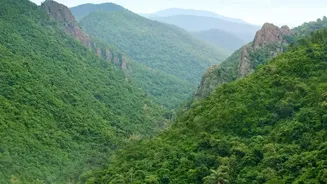
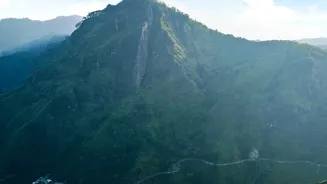
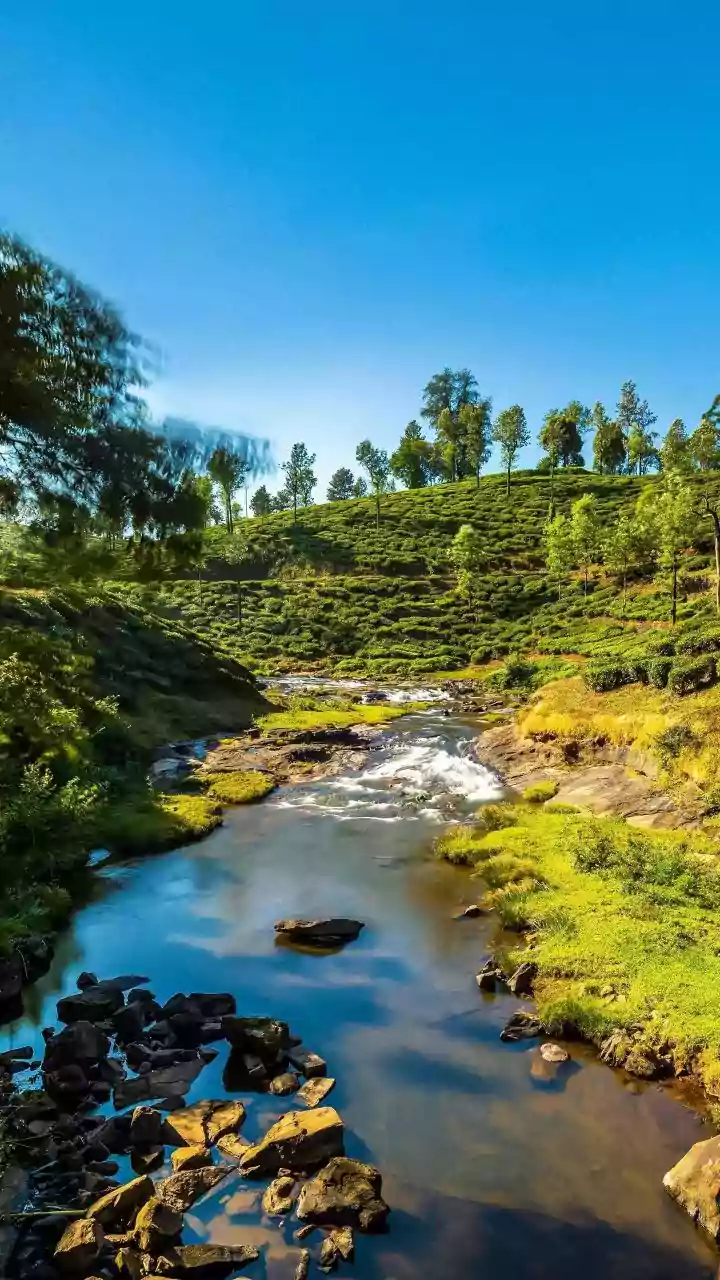
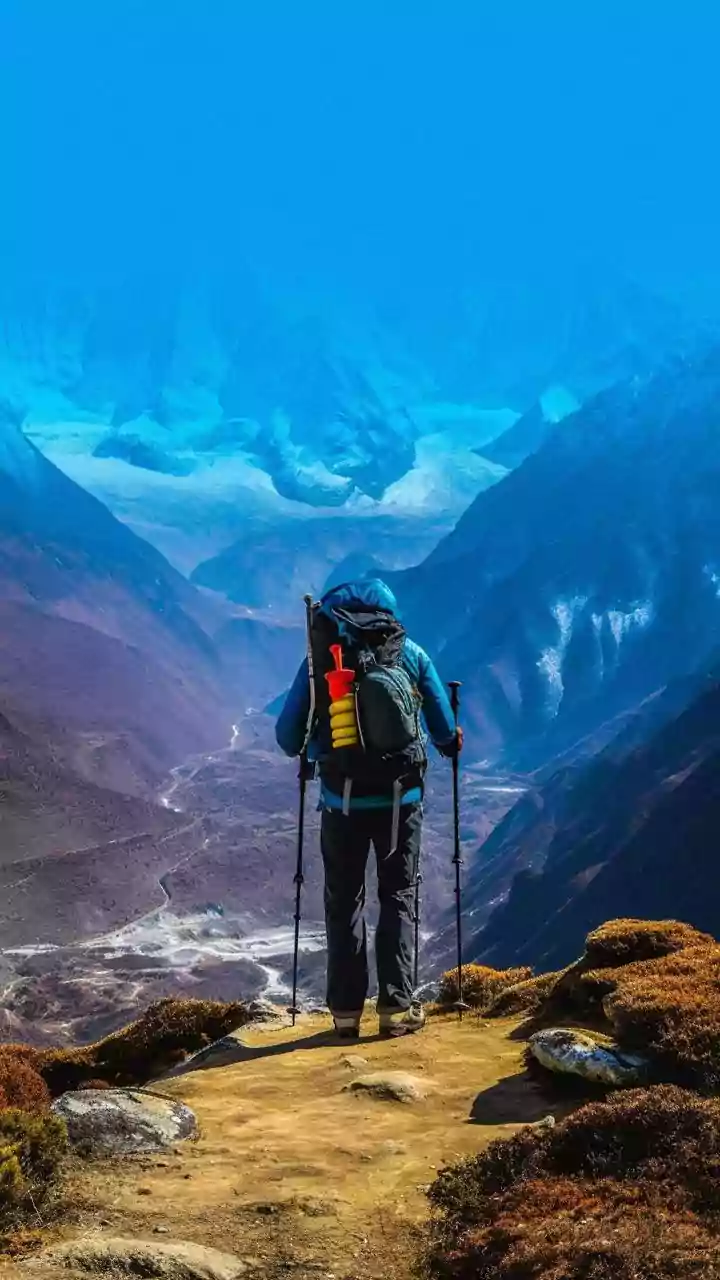
For trekking enthusiasts, the post-monsoon season is a dream. The landscape, freshly washed by the rains, is a vibrant canvas of lush greenery. Trails in the Western Ghats, such as those in Coorg, Kudremukh, and the Sahyadris, become particularly scenic with roaring waterfalls and mist-draped valleys. In the Himalayas, the retreating monsoon leaves behind crystal-clear skies, offering stunning, panoramic views of the peaks. Treks like the Valley of Flowers in Uttarakhand and Sar Pass in Himachal Pradesh are especially popular during this time. The air is fresh, the ground is firming up, and the pleasant temperatures make for an invigorating experience.
Wildlife Safaris and National Parks
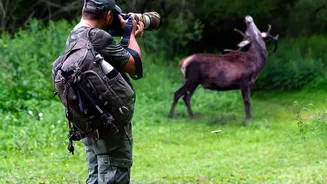
Many of India's major national parks and tiger reserves, which close during the monsoon for safety and to allow animals to breed, reopen their gates in October. Parks like Ranthambore, Corbett, Kanha, and Bandhavgarh typically welcome visitors again from the 1st or 15th of October. This period is excellent for wildlife spotting. The forests are dense and green, water sources are plentiful, and animals are often seen actively marking their territories after the rains have washed away previous scents. With fewer crowds than in the peak winter season, October provides a serene and rewarding safari experience.
Camping and Stargazing
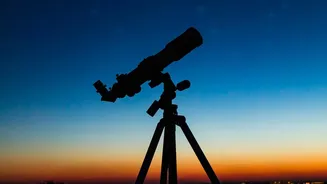
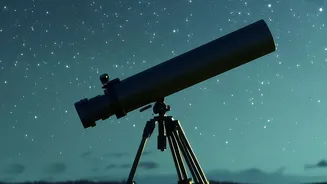
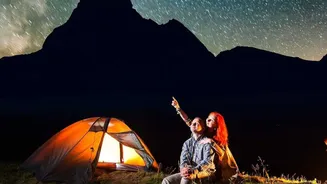
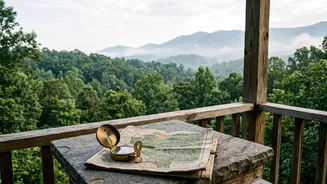
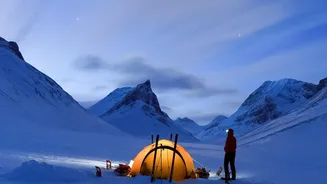
With the end of the constant downpours, camping becomes a viable and enjoyable activity once more. The clearer skies of the post-monsoon period are perfect for stargazing, away from city lights. The nights are cool and comfortable, providing a welcome respite from the daytime 'October Heat'. Popular destinations for trekking, such as those in the hills of Maharashtra, Karnataka, and Himachal Pradesh, often have designated camping sites that allow you to fully immerse yourself in the revitalised natural surroundings. Whether it's a campsite in the mountains or a quiet spot by a river, it's the ideal season to pitch a tent.
Festivals and Cultural Outings
The post-monsoon season coincides with a vibrant festival calendar across India. The drier, more pleasant weather is ideal for attending outdoor cultural events, fairs, and religious processions. Major festivals like Dussehra and Diwali often fall during this period, turning cities and towns into hubs of activity that can be enjoyed without the worry of a sudden cloudburst. This is a wonderful time to explore local markets, watch traditional performances, and participate in community celebrations that spill out onto the streets and open grounds.
Planning is Key
While the prospect of outdoor fun is exciting, it's crucial to plan ahead. The weather can still be unpredictable as the monsoon withdraws. According to the India Meteorological Department (IMD), while a formal withdrawal begins, active weather systems can still bring rain to certain regions. Always check the local weather forecast before you head out. For popular treks and national parks, it's wise to book permits and accommodation in advance, as many people are eager to get out after months of being indoors. Remember to pack layers of clothing to adapt to the warm days and cool nights.