



The Problem with a Horizontal World
We design our homes for human comfort, which is mostly horizontal. We walk on floors, sit on sofas, and sleep in beds. For a cat, however, a world without verticality is a world without opportunity. In the wild, cats are both predators and prey. They
climb trees and scale ledges to survey their territory, hunt, and escape danger. When we confine them to a flat indoor space, we strip away this fundamental dimension of their existence. This can lead to what animal behaviourists call 'environmental under-stimulation,' resulting in boredom, anxiety, destructive behaviour, and even obesity from lack of exercise.
Why Cats Crave Height
A cat’s desire for high places is deeply ingrained. Firstly, height equals safety. From an elevated perch, a cat can see everything that’s happening in a room—who is coming, who is going, and where the potential 'threats' (like a vacuum cleaner or an boisterous toddler) are. This vantage point gives them a sense of control and security. Secondly, height is about status and territory, especially in multi-cat households. The cat who claims the highest spot is often asserting a subtle dominance, which can help create a stable social hierarchy and reduce conflicts over shared resources on the floor. It gives them a private space to retreat to when they need to be alone.
Enter the 'Cat Superhighway'
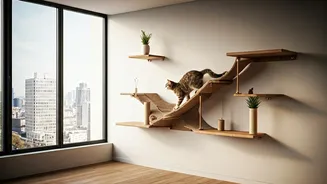
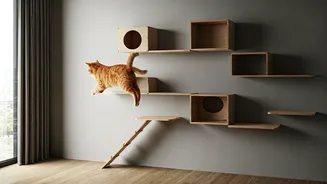
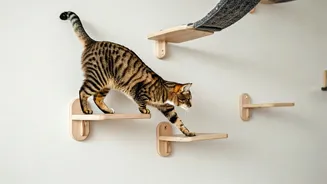
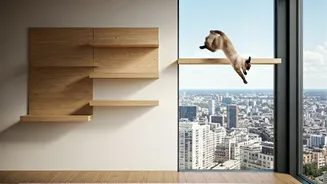
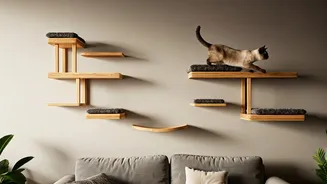
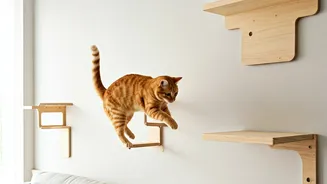
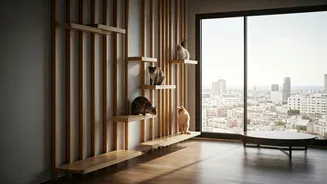
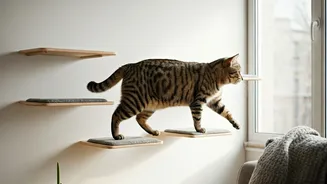
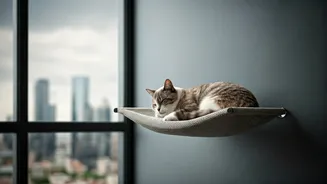
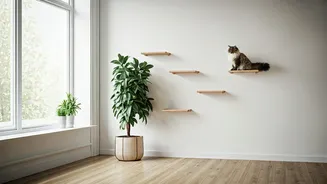
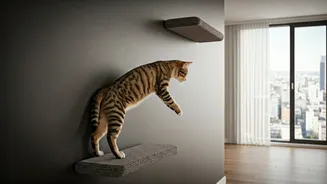
This is where vertical wall bridges, shelves, and perches come in. Think of it not as individual pieces of furniture, but as a 'cat superhighway'—a network of pathways that allows your feline friend to navigate a room without ever touching the floor. These purpose-built structures can range from simple floating shelves to elaborate rope bridges and cozy wall-mounted beds. The goal is to create a connected route that encourages exploration, climbing, and leaping. This system effectively expands your cat’s usable living space, transforming a small flat into a multi-layered jungle gym that caters directly to their instincts.
Benefits Beyond Curing Boredom
Installing a vertical world for your cat offers more than just a cure for boredom. It's a powerful tool for improving their overall well-being. For anxious or shy cats, having high escape routes can drastically reduce stress levels. In homes with multiple cats, it increases the available territory, which can prevent territorial disputes and fighting. It also promotes physical health by encouraging jumping, climbing, and balancing, which helps maintain muscle tone and a healthy weight. By providing an approved outlet for scratching and climbing, you might also save your sofa and curtains from unwanted attention.
How to Build Their Vertical World
Planning your cat's superhighway is a fun project. Start by observing where your cat already likes to hang out. Do they stare out a particular window or try to climb a specific bookshelf? Use these clues to plan your route. Ensure shelves are securely fastened to the wall and can support your cat's weight, especially during energetic leaps. The surfaces should offer good grip; consider adding carpet squares or sisal rope wraps. The distance between shelves should be manageable—not too far to be intimidating, but challenging enough to be interesting. Most importantly, create a 'flow' with clear entry and exit points so your cat doesn't get trapped in a corner.
Getting Started: From Simple to Ambitious
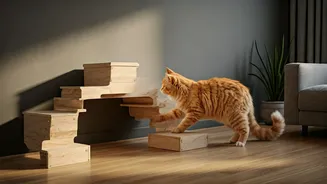
You don’t need to transform your entire home overnight. Start small. A few sturdy, well-placed shelves leading up to the top of a cabinet or a window perch can make a huge difference. You can find many pre-fabricated cat shelves and bridges online, or if you're feeling handy, you can build your own using simple brackets and wooden planks from a hardware store. As you see how your cat uses the space, you can add more elements over time, perhaps connecting two rooms with a high-up walkway or creating a dedicated climbing wall in a corner. The key is to provide options that stimulate their mind and body.