



The Secret to Speedy Curries
Restaurants can serve a wide variety of curries in minutes because they don't start from scratch for every order. They use a master curry base, often called 'bhuna masala' or onion-tomato masala. This versatile foundation is a flavour-packed mixture of slowly
cooked onions, tomatoes, ginger, garlic, and spices. By preparing a large batch of this base, you are essentially doing most of the cooking in advance. All that’s left is to add your protein or vegetables and a few finishing touches for a fresh meal that tastes like it took hours to prepare.
Key Ingredients for Your Base
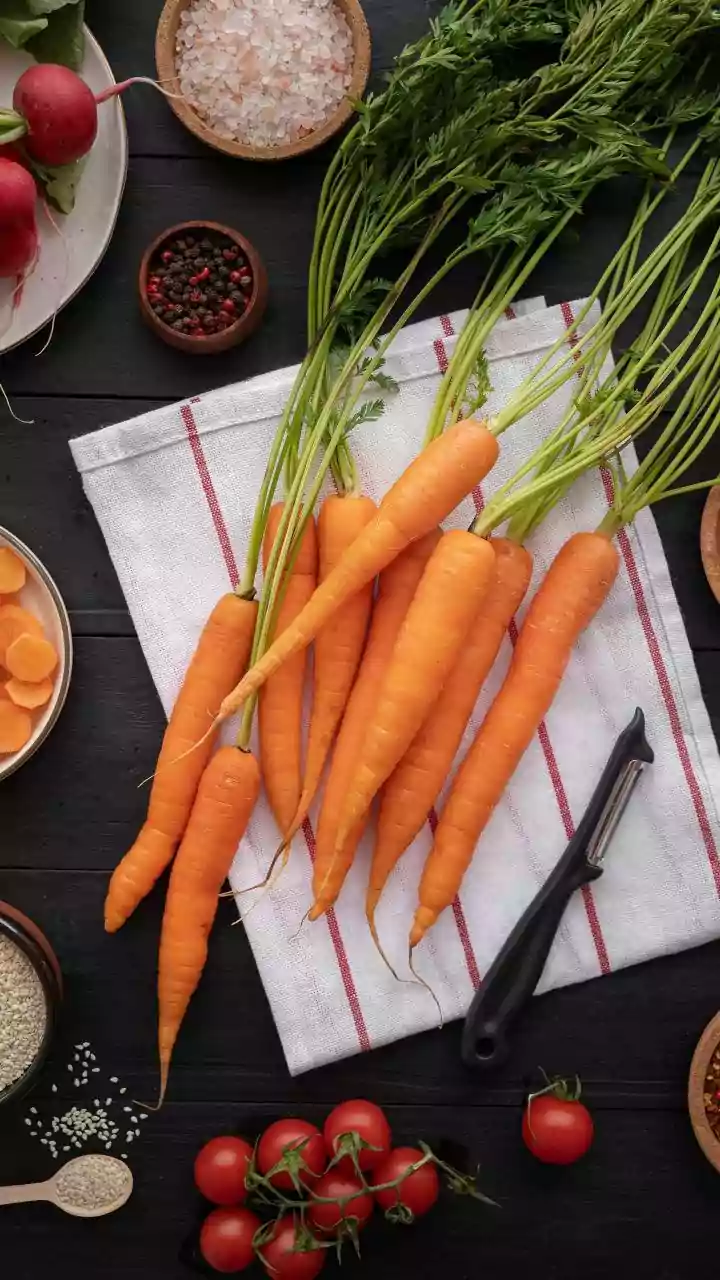
The beauty of this curry base lies in its simple, pantry-staple ingredients. While recipes vary, the core components are consistent. You will need a generous quantity of onions and ripe tomatoes, which form the bulk of the masala. Aromatic essentials include fresh ginger and garlic, often made into a paste. For the spice blend, gather ground turmeric, coriander powder, cumin powder, and red chilli powder. A neutral cooking oil is crucial, and using a generous amount is key, as it not only aids in cooking but also acts as a natural preservative, extending the base's shelf life.
The Under-an-Hour Strategy
Making a curry base traditionally involves slow-cooking onions for a long time, but with a few smart techniques, you can achieve it in under an hour. A pressure cooker or an Instant Pot is your best friend here; it drastically cuts down the cooking time for the onions and tomatoes without compromising on flavour. Start by sautéing finely chopped onions in hot oil until they soften. Then, add the ginger-garlic paste, tomatoes, and powdered spices. Secure the lid and pressure cook. This method builds deep flavour in a fraction of the time it would take on a stovetop.
The 'Bhunai' Technique: Key to Flavour and Preservation
The most critical step for developing both flavour and longevity is the 'bhunai', which means sautéing or roasting. After pressure cooking, you will continue to cook the mixture in an open pan until all the moisture evaporates and the oil begins to separate from the masala. This process caramelises the sugars in the onions and tomatoes, creating a rich, complex flavour profile. More importantly, cooking out the water is what makes the base last longer and prevents it from spoiling quickly. A well-made 'bhuna masala' will be thick, fragrant, and have a beautiful deep reddish-brown colour.
Proper Cooling and Storage
How you store the base is just as important as how you make it. Before storing, you must let the curry base cool down to room temperature completely. Storing it while still warm can cause condensation, which introduces moisture and leads to spoilage. Once cooled, portion the base into airtight containers. For short-term use, it can be stored in the refrigerator for up to a week. For longer storage, freezing is the best option. Spoon the masala into ice cube trays; once frozen, transfer the cubes into a freezer-safe zip-lock bag. This method allows you to use small, convenient portions as needed, and the base will last for several months.
Turning Your Base into a Meal
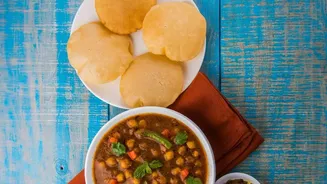
With your curry base ready, making dinner is incredibly fast. To make a chicken curry, for example, simply heat a few cubes of your frozen masala in a pan, add the chicken pieces, and cook until done. For a paneer or vegetable dish, add your cubed paneer or mixed vegetables to the thawing base and simmer until cooked through. You can customise the flavour by adding a splash of cream, a sprinkle of garam masala, or fresh coriander leaves at the end. This pre-made base can be adapted for chickpeas, lentils, eggs, or almost any protein or vegetable you have on hand.