



The Soul of South Indian Kitchens
Tamarind rice is a dish that beautifully encapsulates the core principles of South Indian flavour balancing: sour, spicy, sweet, and nutty notes in perfect harmony. Found across Karnataka, Tamil Nadu, Andhra Pradesh, and Telangana, its name changes but
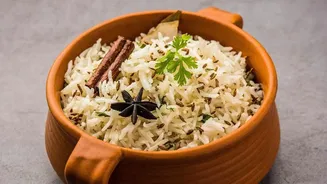
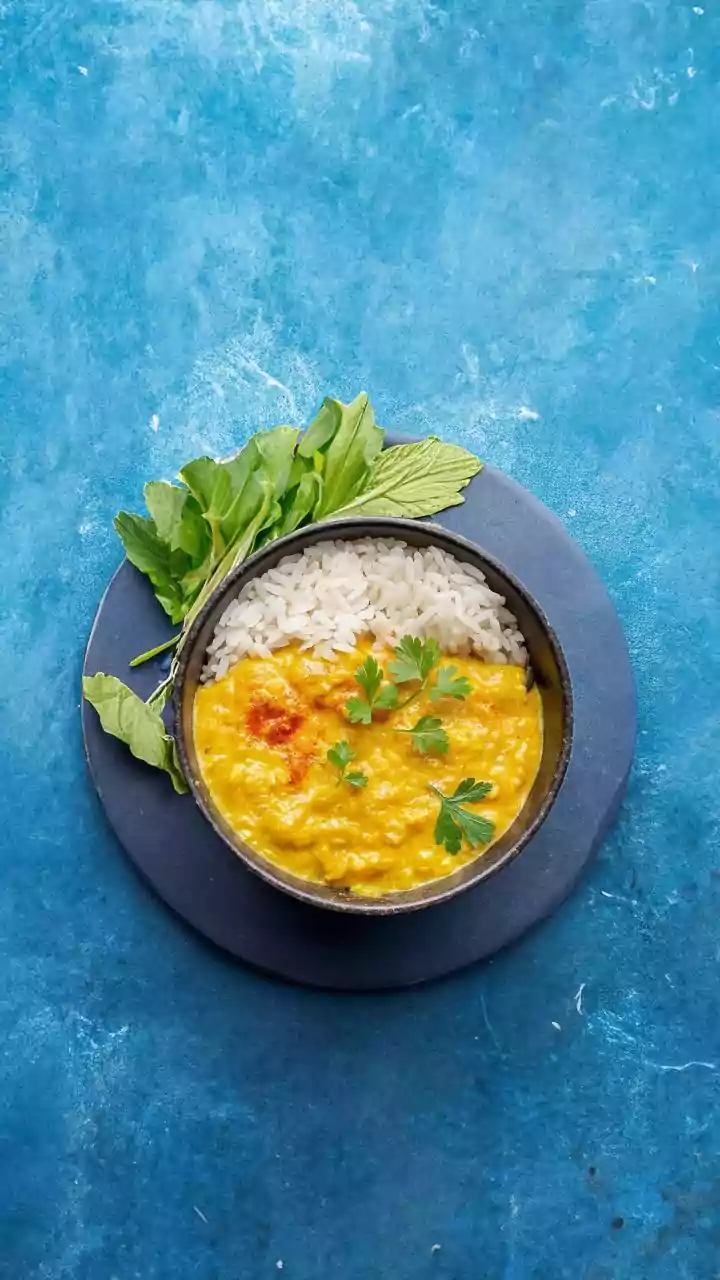
its essence remains. Whether called Puliyogare in Karnataka, Pulihora in Andhra and Telangana, or Puliyodarai in Tamil Nadu, the foundation is consistent: cooked rice meticulously mixed with a potent, glossy paste made from tamarind, roasted spices, and chillies, all brought to life with a crackling tempering of oil, mustard seeds, lentils, and peanuts. The use of tamarind, or 'puli', is central, providing the signature sourness that gives the dish its name and character.
A Dish Steeped in Tradition
The history of tamarind rice is deeply intertwined with temple life. It is one of South India's most ancient temple foods, or 'prasadam'—a sacred offering distributed to thousands of devotees daily. Its prevalence in temples like Tirupati Balaji and Udupi Sri Krishna is not just a matter of taste, but practicality. The natural acidity of tamarind acts as a preservative, allowing the rice to be prepared in large quantities and remain fresh for days without refrigeration. This quality also made it the perfect travel food for long journeys, a tradition that continues in households today. While its exact origins are not documented, it's clear the dish evolved organically in temple kitchens and homes, using staple ingredients of the region.
Deconstructing the Flavours
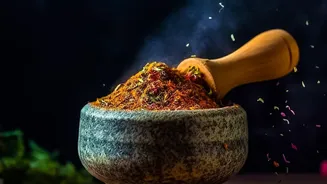
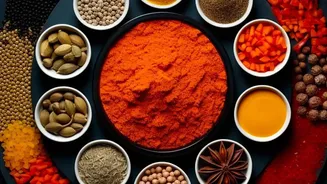
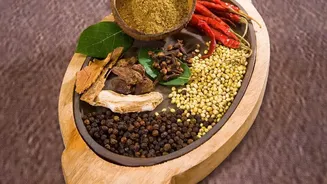
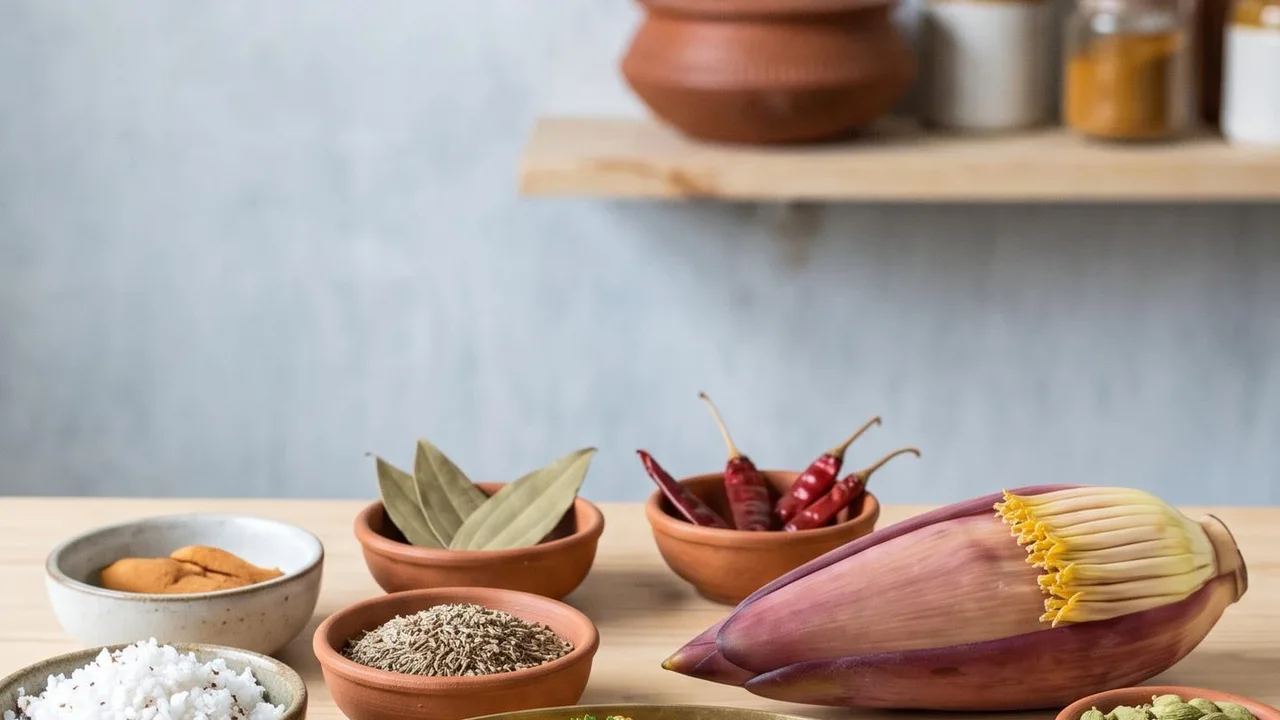
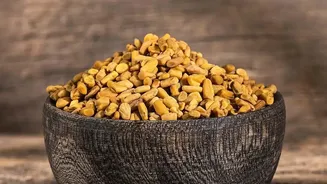
The heart of an exceptional tamarind rice is the 'gojju' or 'pulikaichal'—the flavour concentrate made by simmering tamarind extract with spices. This paste is where the magic happens. Key ingredients typically include tamarind for sourness, jaggery for a hint of sweetness to balance the tang, and a complex spice powder. This powder is often a secret family recipe, but usually contains roasted coriander seeds, lentils like chana and urad dal, fenugreek, sesame seeds, and dried red chillies. The final flourish is the tempering, where mustard seeds, peanuts, and curry leaves are sizzled in hot oil, often sesame oil, adding texture, aroma, and a nutty crunch that completes the dish.
The Cumin and Tamarind Connection
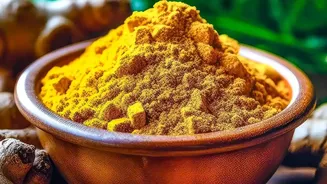
While cumin isn't always the headline spice in every tamarind rice variation, it plays a vital supporting role and is fundamental to the flavour profiles of many related dishes. Cumin and tamarind are a classic pairing in Indian cuisine, sharing a significant number of flavour molecules that make them chemically compatible. This combination is the backbone of dishes like Rasam and various chutneys. In the context of tamarind rice, roasted cumin is often part of the spice powder ('podi'), where its earthy, warm notes ground the sharp tang of the tamarind. This interplay is a masterclass in flavour building, creating a dish that is both complex and comforting. The pairing is so natural that it appears in countless regional recipes, from simple tamarind drinks to elaborate curries, showcasing a shared culinary logic.
Making It Your Own
While temple-style recipes are revered, tamarind rice is also a forgiving and adaptable home-cooked meal. Many households prepare the tamarind paste or spice powder in large batches to be stored for weeks, making for a quick and convenient meal when mixed with leftover rice. The key to a great result is to use cooled, non-mushy rice so the grains remain separate and can be evenly coated with the paste. The balance of flavours can be adjusted to personal taste—more jaggery for sweetness, extra chillies for heat, or a squeeze of lemon at the end for added brightness. It’s a dish that invites personalization while honouring a long and delicious tradition.