



Embrace the Magic of Shoulder Season
September is a golden month for travel in India, widely known as the 'shoulder season'. This is the period between the peak monsoon and the busy, expensive winter season. For a solo traveller, this means fewer crowds at major attractions, greater availability
of accommodations, and most importantly, lower prices. Hotels and airlines often offer attractive discounts to lure travellers during this relatively quiet month. The weather is also agreeable in many parts of the country; the post-monsoon landscapes are lush, green, and fresh, making it a visually stunning time to explore. The humidity starts to drop, and the temperatures become more comfortable for sightseeing and outdoor activities.
Coastal Retreats on a Budget
If serene beaches are on your mind, September is an excellent time to visit places like Goa and Puducherry. While some might avoid the coast right after the monsoon, this is precisely when you can find the best deals. In Goa, for instance, accommodation rates in hostels and guesthouses can be significantly cheaper than in the peak months of December and January. You can rent a scooter for a low daily fee and explore the less-crowded beaches of South Goa or the vibrant shacks of the North. Similarly, Puducherry's French Quarter is a delight to explore on foot or by cycle, with its charming colonial architecture and seaside promenade. The town has a relaxed, safe atmosphere, making it ideal for first-time solo travellers.
Himalayan Havens Post-Monsoon
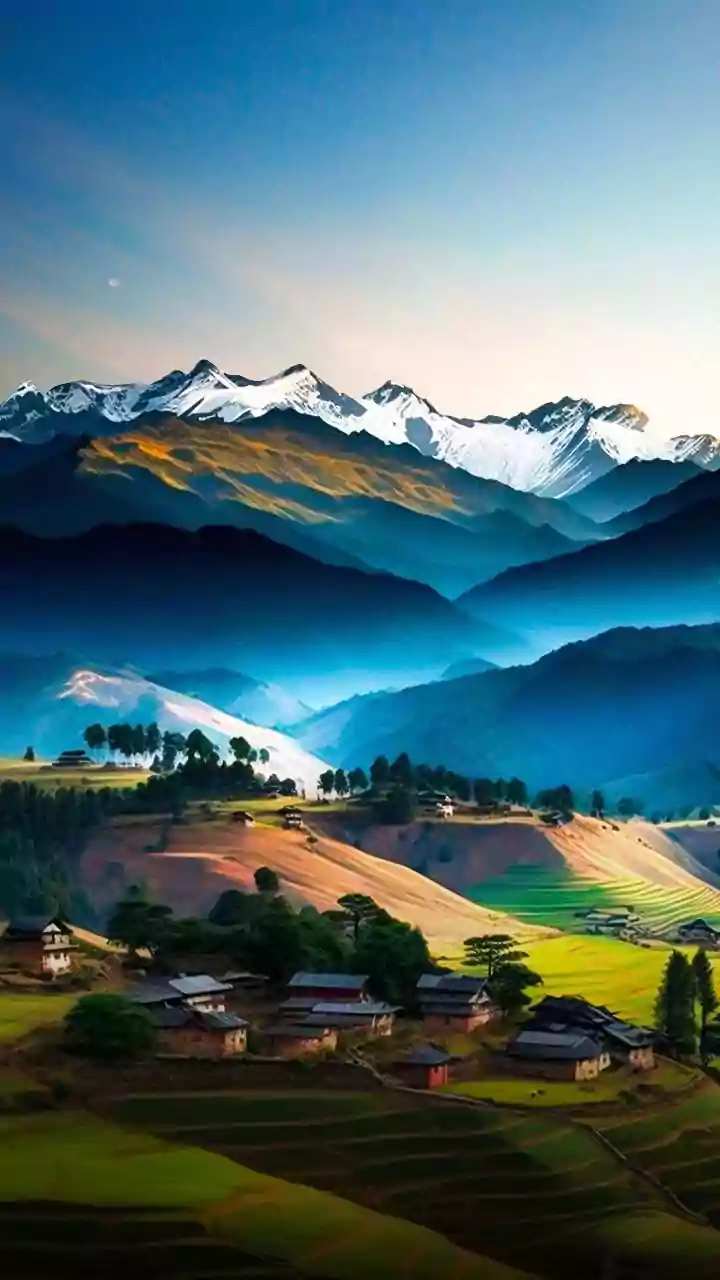
For those who prefer mountains to beaches, the Himalayan foothills in states like Himachal Pradesh and Uttarakhand are spectacular in September. The monsoon washes the dust from the air, leaving behind crisp, clear views of the majestic peaks. Destinations like Rishikesh, Dharamshala, and McLeod Ganj offer a perfect blend of spirituality, adventure, and cafe culture, with a strong community of solo travellers and backpackers. You can find affordable stays in hostels and guesthouses. The weather is ideal for short treks and exploring the lush green valleys before the winter chill sets in.
A Royal Welcome in Rajasthan
Rajasthan, typically seen as a winter destination, can be a surprisingly affordable and pleasant choice for a solo trip in September. The scorching summer heat has subsided, and the landscape, refreshed by the monsoon, is still green. Cities like Udaipur and Jaipur are less crowded, allowing for a more relaxed exploration of their magnificent forts and palaces. The lakes in Udaipur are full, adding to the city's romantic charm. With fewer tourists, you're more likely to find pre-season deals on heritage hotels and guest houses, giving you a taste of Rajasthani royalty without the peak-season price tag.
Smart Strategies for Booking
Your destination is only one part of the budget equation. How and when you book is crucial. For train travel, book your tickets on IRCTC well in advance, as popular routes fill up quickly. Overnight train journeys are a classic budget-backpacker trick, as they save you the cost of a night's accommodation. When looking for places to stay, don't just look at hotels. Hostels are fantastic for solo travellers, not only because they are cheap but also because their common areas make it easy to meet fellow travellers. In many destinations, family-run guesthouses offer a more local experience at a fraction of the cost of a hotel. Always check for off-season discounts; it never hurts to ask for a better rate, especially if you're staying for a few nights.
On-the-Ground Savings
Once you've arrived, the small daily choices can make a big difference. Embrace public transport like local buses, which are incredibly cheap. For meals, skip the tourist-trap restaurants and head to local eateries or street food stalls where the food is often more authentic and a lot cheaper. Look for vendors with a long line of locals—it's usually a good sign of quality and hygiene. Many attractions like temples, public beaches, and markets are free to enter. Prioritising these can help you soak in the local culture without constantly opening your wallet. Carrying cash is also a good idea, as smaller vendors often don't accept digital payments and you'll have more bargaining power in local markets.