


Recognising a Potential Fracture
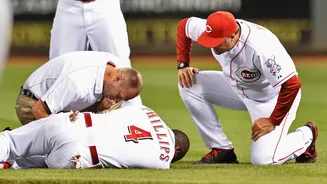
It can be difficult to distinguish between a fracture, a sprain, or a bad bruise without a professional diagnosis. However, there are several tell-tale signs that should lead you to treat an injury as a potential fracture. Intense pain that is sharp,
localised, and worsens with any movement or pressure is a primary indicator. Look for rapid swelling and bruising around the site of the injury. Sometimes, the limb may look deformed, bent at an unnatural angle, or shorter than its counterpart. A person may be unable to move the injured part or bear any weight on it. In some instances, a snapping or grinding sound might be heard at the moment of impact. If these signs are present, it is safest to assume it is a fracture and act accordingly.
The Golden Rule: Why Immobilisation is Key
The core principle of fracture first aid is to prevent further injury, and that starts with immobilisation. Moving a broken bone can damage the surrounding nerves, blood vessels, and muscles. It also risks turning a 'closed' fracture (where the skin is intact) into a more serious 'open' fracture (where the bone breaks through the skin), which significantly increases the risk of infection. Keeping the person and the injured limb as still as possible minimises pain and helps prevent these complications while you wait for medical assistance. Reassure the person and encourage them to find the most comfortable position without moving the injured area.
How to Support and Splint an Injury
If medical help is on its way and the person is in a safe location, simply supporting the limb with cushions or rolled-up clothing on either side is often the best course of action. A splint should only be used if help will be delayed or if you must move the person to safety. You can improvise a splint using anything firm, such as a rolled-up magazine, a board, or even a sturdy stick. The splint should be padded and extend past the joints above and below the suspected break. Secure it with bandages, tape, or strips of cloth, but do not tie it so tightly that it cuts off circulation. Regularly check for signs of poor circulation, such as pale or blue skin, numbness, or coldness beyond the bandage.
Managing Pain and Other Symptoms
To help reduce pain and swelling, you can apply a cold pack. Use an ice pack wrapped in a thin towel or a bag of frozen vegetables. Never place ice directly onto the skin. Apply the cold pack for about 15 to 20 minutes at a time. If possible, and only if it doesn't cause more pain, elevate the injured limb above the level of the heart to help reduce swelling. For a leg injury, this might mean placing it on a stack of pillows. For an arm, a sling can provide support. If the person is showing signs of shock, such as feeling faint or having pale and clammy skin, have them lie down, keep them calm, and cover them with a blanket.
Crucial 'Don'ts' in Fracture First Aid
What you don't do is just as important as what you do. Never try to 'fix' the injury by pushing a protruding bone back in or straightening a deformed limb. This can cause immense pain and severe damage. Do not give the injured person any food or drink, as they may require anaesthesia for surgery at the hospital. Avoid applying heat, as this can increase swelling. Also, do not ask the person to move the limb or 'test' if it works; loss of function is a key sign of a fracture, and testing it will only cause more harm.
When to Call for an Ambulance
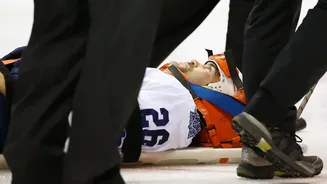
You should call for an ambulance immediately for any severe injury. This includes if there is a suspected fracture to the head, neck, or back, or a large bone like the thigh or pelvis. An open fracture, where bone is visible through the skin, always requires emergency services. Other critical signs include heavy bleeding, obvious deformity, numbness or a lack of pulse below the injury, or if the person has trouble breathing or loses consciousness. If in doubt, it is always best to make the call.