





A Heritage Fabric for a Modern Wardrobe
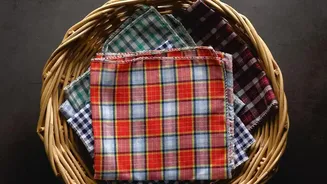
After years dominated by minimalist solids and muted tones, fashion is embracing colour and pattern with a story. The Madras check revival fits perfectly into this shift. Originating centuries ago in Madras (now Chennai), this handwoven cotton fabric
was once worn by Indian labourers before being exported globally by European traders. Today, its return is driven by a desire for authenticity and sustainability. Unlike mass-produced prints, genuine Madras has a tangible heritage. Designers are now reimagining the textile in contemporary silhouettes like breezy dresses, oversized shirts, and coordinated sets, proving its versatility beyond the classic preppy shirt.
What Makes Authentic Madras Unique?
True Madras is not just a pattern; it's a process. Authentic fabric must be handwoven in the Chennai region from short-staple cotton yarn. This process gives the material a unique texture with small, charming imperfections like slubs, or thick spots in the yarn. Another key characteristic is that the pattern is identical on both sides of the cloth. Traditionally, the yarns are coloured with natural vegetable dyes. When woven, these dyes create the famous Madras 'bleed,' where colours subtly blend into one another at the intersections of the check pattern, giving it a soft, watercolour-like effect that machine-made imitations can't replicate.
Embracing the 'Flaws': Bleeding and Shrinkage
The very things that might sound like defects—colour bleeding and shrinkage—are actually hallmarks of authentic Madras cloth. The tendency for the natural dyes to run was famously spun into a marketing triumph in the mid-20th century with the slogan "Guaranteed to Bleed." This celebrated the fabric's handcrafted nature. While many modern Madras fabrics now use colour-fast dyes, the original 'bleeding' varieties are still prized for their character. Similarly, because it's made from natural cotton fibres, Madras can shrink by as much as 10% if not cared for correctly. Ready-to-wear garments are typically made from pre-shrunk fabric, but understanding this tendency is key to the longevity of your clothes.
Your Guide to Proper Madras Care
To keep your Madras garments looking their best, a gentle approach is crucial. The primary goal is to avoid high heat and harsh agitation, which are the main culprits behind shrinkage. Always wash Madras items in cold water with a mild detergent. For the first few washes, especially with a true 'bleeding' Madras, wash the garment separately to prevent the dye from staining other clothes. Hand washing is the safest method, but if you use a machine, select the gentle or delicate cycle. Most importantly, never put Madras cotton in a machine dryer. The high heat is almost guaranteed to cause significant shrinkage. Instead, air dry your garments in the shade to preserve both their size and their vibrant colours.
How to Style Madras in 2026
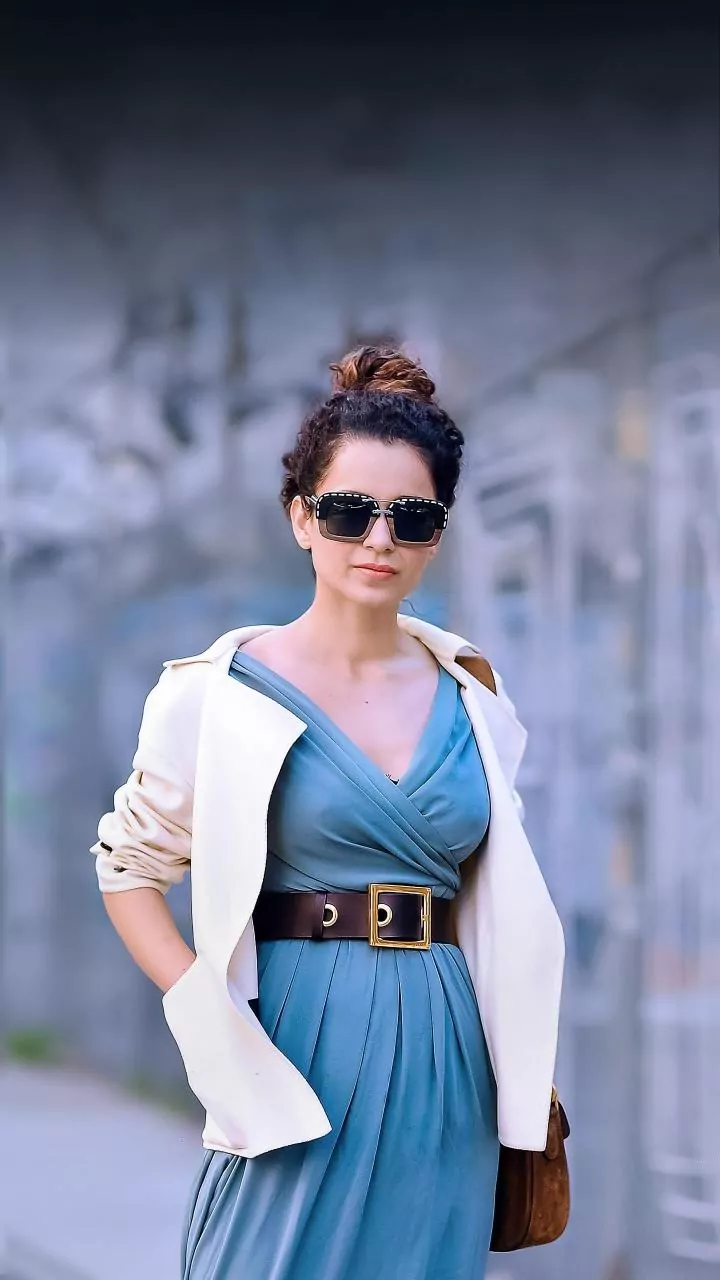
Incorporating Madras into your wardrobe is simpler than you think. The key is to let the pattern be the star. The easiest entry point is an oversized Madras shirt worn open over a simple tank top and paired with jeans or linen trousers. A Madras dress or a co-ord set makes a confident statement for a summer event. When pairing, stick to solid neutrals like khaki, white, or denim to balance the colourful check. You can also pick one of the less dominant colours from the plaid and use that for your trousers or accessories. The fabric's inherent casualness means it pairs perfectly with loafers, sandals, and simple sneakers for an effortlessly cool look.