

A Nationwide Health Awakening
The single biggest driver of this change is a collective shift towards conscious eating. More Indians, particularly in urban areas, are now actively reading ingredient labels and questioning what goes into their food. Concerns about refined flour (maida),
high sugar content, and unhealthy fats commonly found in many packaged biscuits are leading consumers to seek out alternatives. This isn't just a niche trend; it's a mainstream movement. The demand for snacks that are perceived as natural, low-calorie, and nutrient-rich is growing rapidly, forcing a change in what defines a satisfying bite between meals.
The Rise of the Humble Makhana
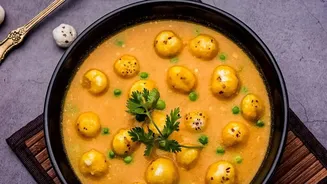
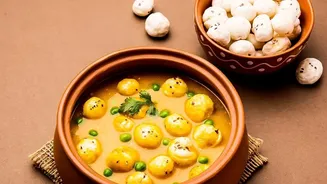
At the forefront of this snacking revolution is makhana, or fox nuts. Once considered a traditional fasting food, makhana has been successfully rebranded as a modern superfood. It's naturally low in calories, gluten-free, and rich in protein and essential minerals like magnesium. Unlike fried snacks, makhana is typically roasted, making it a lighter option that doesn't cause digestive discomfort. The Indian makhana market has seen explosive growth, with its value projected to reach up to ₹12,000 crore by 2029-30, fuelled by this soaring demand for healthy, crunchy alternatives.
The Power of Protein and Nuts
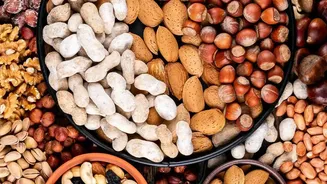
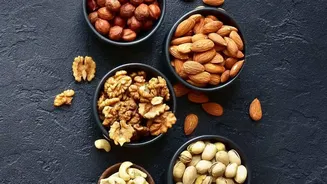
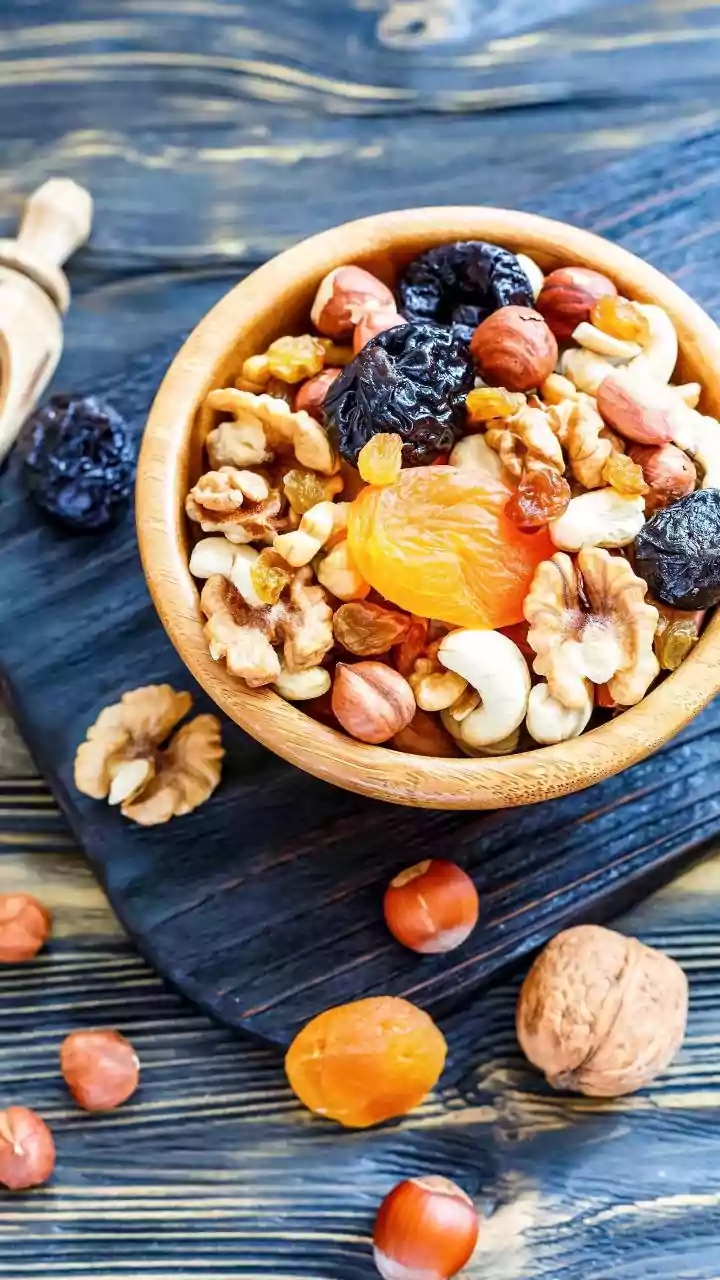
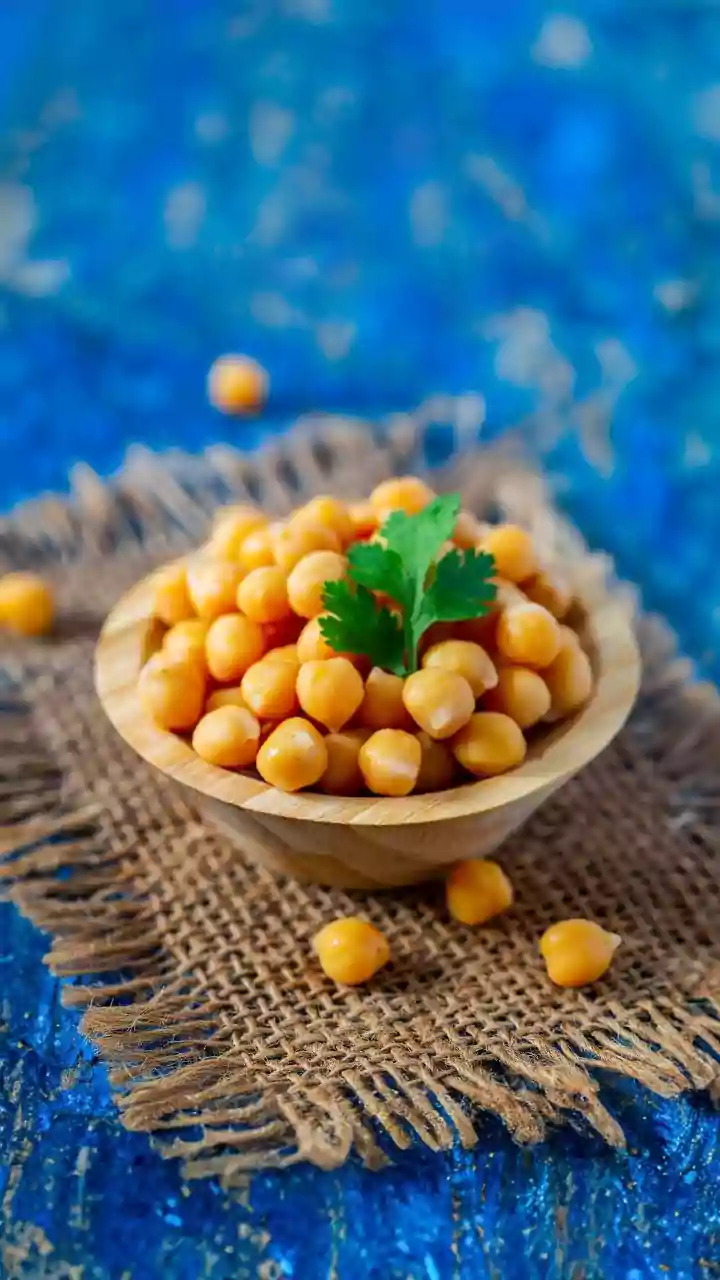
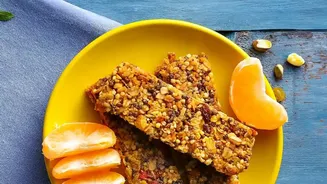
Beyond makhana, there is a broader movement towards snacks that offer functional benefits, with protein being a key focus. An increasing number of Indians are looking for snacks that do more than just curb hunger; they want food that supports fitness goals, provides sustained energy, and aids in muscle repair. This has propelled the market for protein bars, roasted nuts, and seeds. These options are seen as a smarter way to snack, keeping you fuller for longer compared to the quick energy spike and subsequent crash often associated with sugary biscuits.
Convenience Gets a Healthy Makeover
For decades, biscuits have been the ultimate convenience food. But a new generation of healthy snacks is now competing on this front. Available in single-serving packets and a variety of flavours, from peri-peri makhana to dark chocolate protein bars, these alternatives are designed for on-the-go consumption. They cater to busy professionals, health-conscious millennials, and parents looking for nutritious options for their children. This focus on convenient, modern packaging has been crucial in positioning these snacks as viable everyday substitutes for the traditional biscuit packet.
How the Market is Responding
This consumer-led shift has not gone unnoticed by the food industry. The Indian healthy snacks market is expanding rapidly, with projections indicating significant growth in the coming years. While the biscuit industry itself is innovating with healthier options like whole-grain and low-sugar varieties, it faces stiff competition. A host of new-age startups and established FMCG giants are flooding supermarket aisles and online stores with makhana, protein bars, nut mixes, and millet-based snacks, giving consumers more choice than ever before.