





The Two Clocks Ticking Inside You
We all have a chronological age, which is simply the number of years we have been alive. It’s a fixed, unchangeable number. However, scientists are increasingly focused on a different, more fluid metric: biological age. This refers to the physiological
condition of our body, measuring how old our cells and organs are functioning relative to our chronological age. Think of it as the 'true' age of your body, which can be influenced by a host of factors including genetics, lifestyle, and environment. Someone who leads a healthy, active life might have a biological age that is several years younger than their birth certificate suggests, while a sedentary lifestyle or chronic stress could accelerate it.
Does a Younger Face Mean a Younger Body?
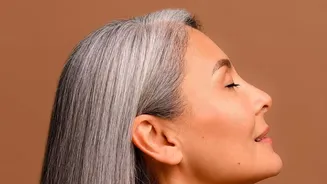
The central promise of many anti-ageing products is that by improving your appearance, you are somehow reversing the ageing process itself. Recent studies, however, complicate this narrative. For example, the landmark Dunedin Study, which has followed over a thousand individuals since the 1970s, found that people who look younger than their years do, in fact, tend to be ageing slower on the inside. Their external youthfulness often reflects better internal health. However, this is not the full story. Many interventions, particularly cosmetic ones, target only the surface. While a good skincare routine can certainly protect your skin from sun damage and reduce the appearance of wrinkles, it may not impact the underlying biological processes that govern how our organs and cells are ageing. The distinction is crucial; one is about appearance, the other about healthspan—the period of life spent in good health.
The Science of Measuring Biological Age
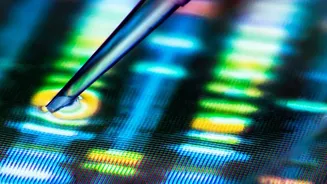
So how do scientists measure this invisible age? They use 'epigenetic clocks', which analyse chemical modifications to your DNA called methylation. These patterns change in predictable ways as we age, offering a snapshot of our cellular health. There are now various types of these clocks. First-generation clocks were good at predicting chronological age, but newer versions, like 'PhenoAge' and 'GrimAge', incorporate physiological biomarkers to better predict health outcomes and mortality risk. Studies show that lifestyle interventions, like improved diet and exercise, can measurably slow down these clocks. This suggests that while we can't stop time, we have some control over our biological ageing process.
What Really Moves the Needle on Ageing
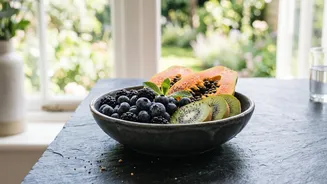
If expensive creams aren't the secret to a longer, healthier life, what is? The research consistently points to a handful of powerful lifestyle factors that have a profound impact on biological age. These include a nutrient-rich diet, regular physical activity, quality sleep, and stress management. Avoiding harmful habits like smoking and excessive alcohol consumption is also critical. Even environmental factors, such as living in an area with more green space versus high pollution, have been shown to influence the rate of biological ageing. The takeaway is that true anti-ageing is a holistic process. It's less about finding a miracle product and more about cultivating a lifestyle that supports your cellular health from the inside out.