



The Nutritional Showdown
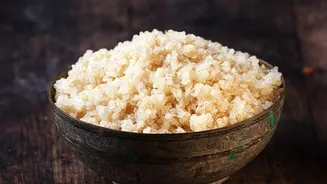
When it comes to nutrition, quinoa puffs have a clear advantage. They are a source of complete protein, meaning they contain all nine essential amino acids, which is rare for a plant-based food. A 100g serving of quinoa puffs can offer around 13-14g of protein and
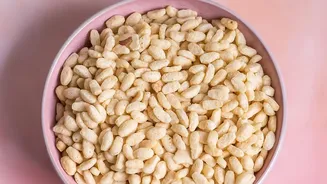
a significant amount of dietary fibre, often around 7g. They are also rich in minerals like iron and magnesium. Puffed rice, or murmura, is much lower in protein, with about 7.5g per 100g, and has considerably less fibre. While it's very low in fat and calories, making it a light option, it doesn't provide the same nutrient density as its competitor. Quinoa's combination of protein and fibre contributes to a greater feeling of fullness, which can be beneficial for weight management.
Impact on Blood Sugar
Another key difference lies in the glycemic index (GI), which measures how quickly a food raises blood sugar levels. Puffed rice has a high GI, meaning it provides a quick burst of energy but can lead to a subsequent crash. In contrast, quinoa has a moderate GI, around 53, which results in a slower, more sustained release of energy. This is partly due to its higher protein and fibre content, which slows down the digestion of carbohydrates. For individuals managing blood sugar levels or seeking to avoid energy spikes, quinoa puffs are the superior option. Puffed rice, while providing quick energy, is less ideal for maintaining stable blood sugar throughout the day.
The Crunch and Flavour Test
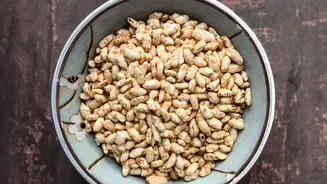
Both options deliver on crunch, but their texture and flavour profiles differ. Puffed rice is famously light and airy, with a very mild, almost neutral taste. This makes it versatile, but it can also get soggy relatively quickly when exposed to salad dressings. Quinoa puffs have a slightly denser, nuttier flavour and a heartier crunch. Many find that puffed quinoa holds its texture better in a salad, providing a more lasting crispiness. It can be used as a direct, and arguably more nutritious, substitute for croutons. The subtle, earthy taste of quinoa can also complement a wider range of salad ingredients, from roasted vegetables to creamy dressings.
Perfecting the Salad Topping
For the specific purpose of topping a salad, quinoa puffs often come out ahead for a few reasons. Their robust crunch withstands moisture better, ensuring your salad doesn't lose its textural appeal halfway through the meal. The nutritional boost they provide—protein, fibre, and minerals—turns a simple salad into a more substantial and satisfying meal. Puffed rice works best when added at the very last second to preserve its delicate crispness. It's an excellent choice if you're aiming for a very light, low-calorie addition without altering the salad's primary flavours. However, for a topping that adds both texture and significant nutritional value, quinoa is the stronger contender.
Cost, Availability, and Other Uses
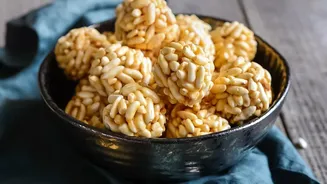
In India, puffed rice (murmura) is an inexpensive and widely available staple, found in nearly every kirana store. It's a key ingredient in popular snacks like bhel puri and jhal muri. Quinoa puffs, on the other hand, are a more premium product. They are typically more expensive and found in larger supermarkets or specialty health food stores. While murmura's primary use is in snacks, puffed quinoa is also marketed as a healthy breakfast cereal or an addition to yogurt and smoothie bowls, highlighting its versatility beyond just a salad topping.