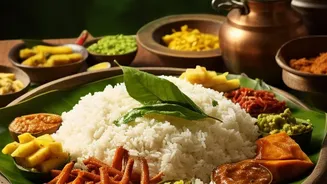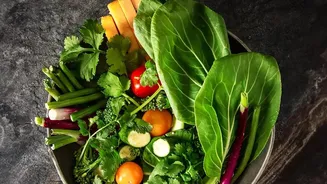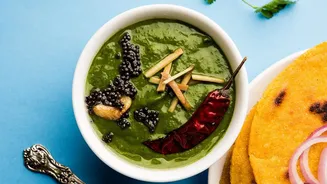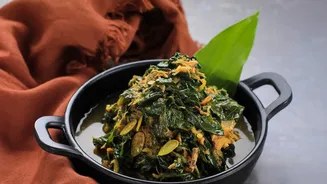


From palak paneer to sarson ka saag, cooked leafy greens are a cornerstone of Indian cuisine. But does the heat that wilts them also destroy their famous nutritional goodness? The answer is more complex—and encouraging—than you might think.
The Raw vs. Cooked Dilemma
We are often
told that raw is best for maximum nutrients, and in some cases, that holds true. However, the story for leafy greens is not so simple. While some vitamins can be lost during cooking, the heating process can also break down tough plant cell walls, making other nutrients more available for our bodies to absorb. Cooking can also reduce compounds like oxalates, which are found in high levels in vegetables like spinach and can interfere with the absorption of minerals like iron and calcium. The key isn't to choose one method over the other, but to understand the trade-offs and cook smartly.
What Cooking Actually Unlocks
Applying heat to leafy greens can be beneficial. It significantly increases the bioavailability of certain minerals and antioxidants. For example, when you cook spinach, your body can absorb higher levels of vitamins A and E, protein, fibre, zinc, calcium, and iron. The heat helps release important carotenoids like beta-carotene, lutein, and zeaxanthin, which are crucial for eye health. So, that comforting bowl of methi aloo or palak dal is not just delicious; it’s also delivering a concentrated dose of specific, more easily absorbed nutrients than you would get from the same volume of raw leaves.
A Tale of Two Vitamin Types
To understand what's lost in cooking, it helps to know that vitamins fall into two categories: water-soluble and fat-soluble. Water-soluble vitamins, which include Vitamin C and the B-complex vitamins (like folate), are sensitive to heat and can leach into cooking water. This is why boiling leafy greens and then discarding the water is one of the worst things you can do for nutrient retention, as you're literally pouring vitamins down the drain. Fat-soluble vitamins—A, D, E, and K—are much more stable when heated. Since greens like spinach and fenugreek (methi) are rich in Vitamin K and are a good source of Vitamin A precursors, cooking them doesn't significantly impact these nutrients.
Smart Cooking for Maximum Nutrition
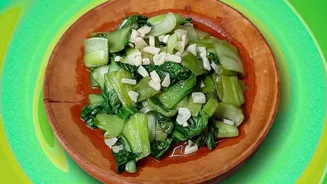
The goal is to cook greens in a way that minimises the loss of water-soluble vitamins while unlocking the benefits of heat. The best methods use minimal water and short cooking times. Steaming is an excellent choice because it cooks the vegetables without submerging them in water, preserving much of their Vitamin C and folate content. A quick sauté or stir-fry in a little healthy oil is another fantastic method. This not only cooks the greens quickly but the presence of fat helps your body absorb those beneficial fat-soluble vitamins like A, E, and K. Even microwaving has been shown to be a good option that retains more nutrients than boiling. If you do boil your greens for a soup or a dal, make sure you consume the liquid to get back all the nutrients that have leached out.
The Power of Indian Greens
Indian cuisine is blessed with a wide variety of nutritious greens. Spinach (palak) is celebrated for its iron and folate. Fenugreek (methi) is a powerhouse of calcium and iron, with unique properties that can aid blood sugar regulation. Mustard greens (sarson) are packed with Vitamin C, strengthening the immune system. Amaranth (chauli) and coriander (dhania) are also nutrient-dense additions to any diet. To enhance the absorption of plant-based iron from these greens, it's always a good idea to pair them with a source of Vitamin C—a simple squeeze of lemon juice over your finished dish can make a real difference.