






The Heart of Tea Country
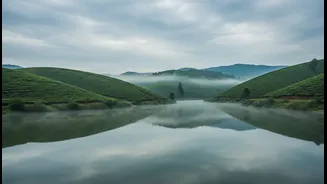
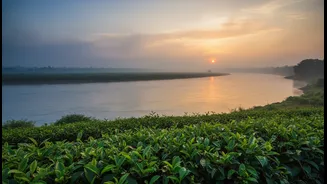
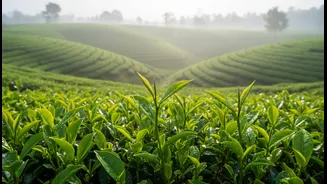
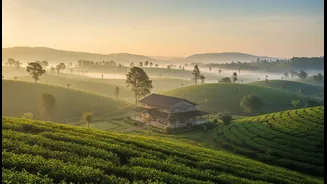
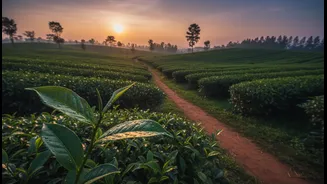
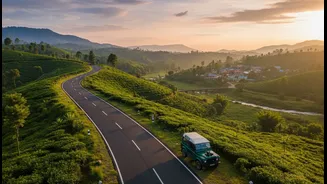
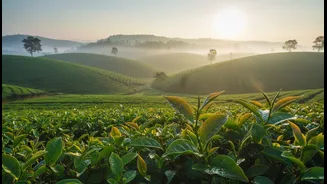
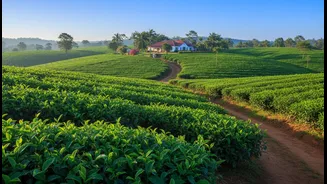
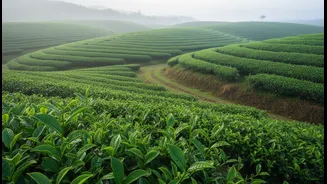
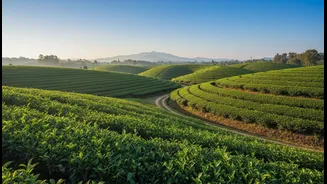
Jorhat's identity is steeped in tea. With over 135 tea gardens, the city is the epicentre of Assam's world-renowned tea industry. A visit here is incomplete without exploring these verdant plantations. Estates like Cinnamora, Assam's first, offer a journey
back in time. Many gardens provide guided tours where you can witness the entire process, from the delicate plucking of leaves to the final processing. For a deeper dive, the Tocklai Tea Research Institute, one of the oldest and largest in the world, offers fascinating insights into the science and innovation behind your daily cup. For an immersive experience, consider staying in a heritage tea bungalow, where colonial-era charm meets the serene beauty of the gardens. The annual Jorhat Tea Festival in November is a vibrant celebration of the region's most famous product.
Gateway to Majuli's Unique Culture
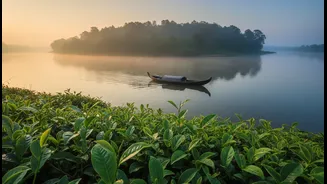
One of Jorhat’s most significant roles is as the primary access point to Majuli, the world's largest river island. A ferry ride from Nimati Ghat, a short drive from Jorhat, transports you to a world seemingly untouched by time. Majuli is the cradle of Assamese Neo-Vaishnavite culture, a living tradition preserved in its numerous satras, or monastic centres. These institutions are not just places of worship but vibrant hubs for art, music, and dance, including the famous Sattriya dance. Visitors can interact with artisans who create intricate masks and pottery, offering a profound glimpse into a unique way of life. Exploring the island’s villages provides an understanding of the local Mishing tribe and their harmonious relationship with the mighty Brahmaputra River.
A Base for Exploring the Wild Countryside
Beyond tea and culture, Jorhat is a fantastic base for wildlife enthusiasts. Just a short distance away is the Hoollongapar Gibbon Sanctuary. This protected forest is a haven for India's only ape, the Hoolock gibbon, and is home to six other primate species, including the stump-tailed macaque and slow loris. Exploring the sanctuary is done on foot with a guide, making for an intimate and thrilling jungle experience as the calls of the gibbons echo through the canopy. For those with more time, Jorhat also serves as a convenient starting point for trips to the renowned Kaziranga National Park, a UNESCO World Heritage Site famous for its population of one-horned rhinoceroses.
Jorhat's Own Charms
While its role as a gateway is crucial, Jorhat itself has plenty to offer. As the last capital of the Ahom dynasty, the city is dotted with historical sites. You can visit Raja Maidam, which contains the ashes of a former king, or Sukapha Samannay Kshetra, a memorial to the founder of the Ahom kingdom. The Jorhat Gymkhana Club, established in 1876, is one of the oldest in Asia and offers a glimpse into the region's colonial past. The city's markets, like Gar-Ali, are bustling centres where you can shop for traditional Assamese silks, crafts, and of course, a wide variety of local tea.
Planning Your Assamese Adventure
Reaching Jorhat is convenient. The city has its own airport, Rowriah Airport, with connections to major cities. It is also well-connected by rail, with Jorhat Town Railway Station and the nearby Mariani Junction serving as key hubs. The road network is robust, with regular bus services from Guwahati and other Assamese towns. The best time to visit is between October and March when the weather is pleasant and ideal for sightseeing, tea garden tours, and wildlife excursions. Whether you are drawn by the aroma of fresh tea, the spiritual calm of a satra, or the call of the wild, Jorhat provides the perfect anchor for your exploration of Assam.