




The Rise of the ‘Nothing-Cation’
For decades, the mark of a 'successful' trip was a packed schedule. From a 7 a.m. museum queue to a 9 p.m. dinner reservation, every moment was optimised for maximum sightseeing. But a significant shift is underway. Enter the era of ‘slow travel’ and
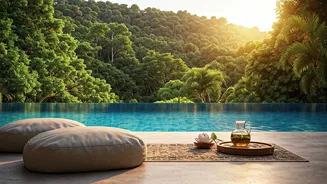
the ‘nothing-cation’—holidays defined not by what you do, but by what you don't have to do. Instead of a frantic city-hopping tour across Europe in five days, travellers are choosing to spend a week in a single town, exploring its cafes, wandering its streets, and absorbing its rhythm. It’s a move away from tourism as a checklist and towards travel as an experience—a deep, restorative immersion in a new environment without the pressure to perform.
A Rebellion Against Burnout
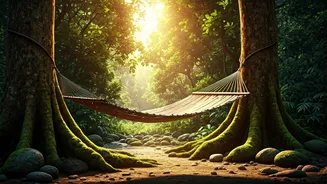
This trend isn't happening in a vacuum. It’s a direct response to the pervasive burnout culture that dominates our professional and digital lives. We spend our days juggling back-to-back meetings, managing endless notifications, and optimising our productivity. The last thing many of us want is to export that same high-pressure mindset to our precious time off. A vacation filled with rigid appointments and early alarms can start to feel like another job. Ditching the itinerary is an act of defiance. It’s about reclaiming holiday time for its original purpose: rest. It's permission to sleep in, to read a book all afternoon, to have a long, leisurely lunch simply because you can.
Moving Beyond the Instagram Checklist
Social media has, for better or worse, shaped the way we travel. It created a kind of ‘checklist tourism,’ where the goal was to capture the same iconic shots from the same prescribed angles as everyone else. The Eiffel Tower, the Trevi Fountain, the Gateway of India—these became less about personal experience and more about generating digital proof of being there. The anti-itinerary movement is a pushback against this. Travellers are becoming more interested in the unscripted moments that happen between the landmarks: discovering a tiny, family-run restaurant down a side alley, stumbling upon a local market, or striking up a conversation with a shopkeeper. These are the authentic, personal memories that can’t be easily replicated or posted for likes, and they’re becoming the new travel currency.
The Joy of Spontaneity and Discovery
When you leave room in your schedule, you create space for serendipity. An unstructured day allows you to follow your curiosity. Maybe you hear music and discover a free concert in a park. Perhaps a local recommends a beach you’d never find in a guidebook. This flexibility not only leads to more unique adventures but is also profoundly good for our mental well-being. It forces us to be present, to make decisions in the moment, and to adapt. Rather than rushing to the next item on a list, you are fully engaged with where you are right now. This fosters a deeper connection to a place, turning you from a mere visitor into a temporary resident.
How to Embrace Unstructured Travel
Letting go of a plan can feel daunting, especially for seasoned organisers. The key is to start small. You don't have to arrive in a new country with zero plans. Instead, try a hybrid approach. Book your flights and your first night's accommodation, but leave the rest open. Choose a single city or region as a base rather than planning a multi-stop journey. Create a loose list of interests—like ‘find great coffee’ or ‘explore the old quarter’—instead of a rigid list of sights. The goal isn’t to do nothing, but to be free to do anything. It’s about trading the pressure of a schedule for the freedom of choice.