



The Sahyadri's Monsoon Awakening
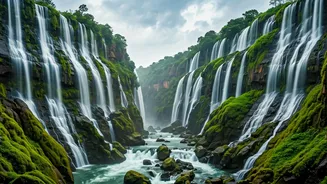
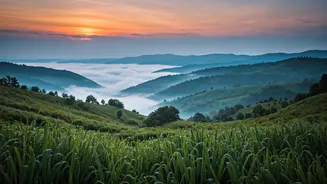
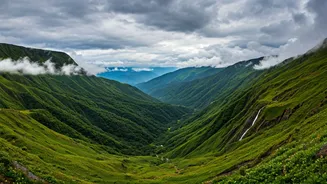
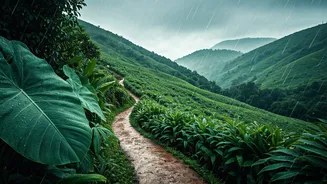
Every year, as the monsoon sweeps across Maharashtra, the Western Ghats undergo a dramatic change. [7] The dry, silent basalt cliffs of the Sahyadri range, which form the backdrop to Lonavala, awaken with the sound of rushing water. [7, 17] This annual
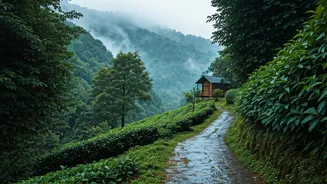
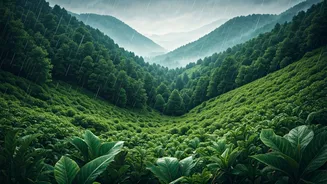
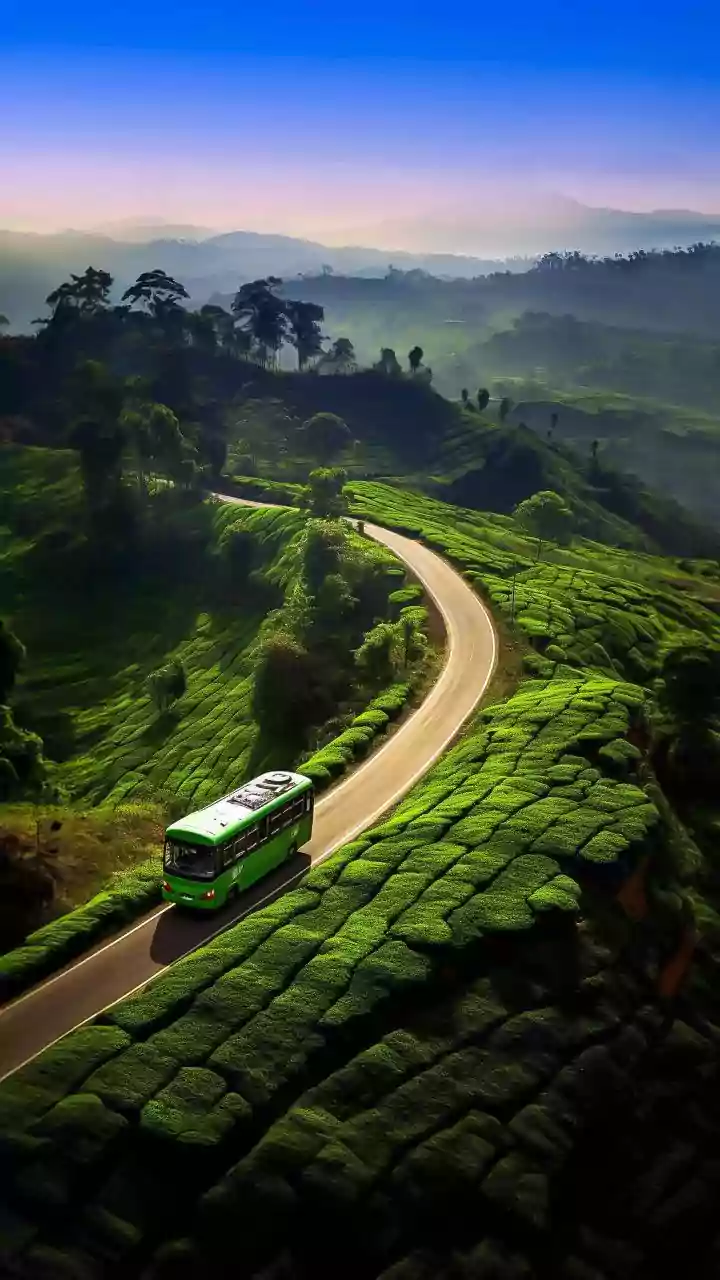
spectacle is not just a change in scenery but a complete sensory experience. The air grows heavy with the scent of wet earth, the temperature drops, and the constant murmur of flowing water becomes the region's soundtrack. [16] This transformation turns the popular hill station, a short drive from Mumbai and Pune, into a haven for nature lovers and weekend travellers seeking refuge from city life. [6, 17] The verdant green that carpets the hills provides a stunning contrast to the powerful white cascades. [6]
Kune Falls: The Three-Tiered Giant
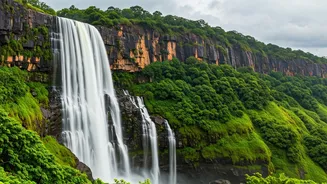
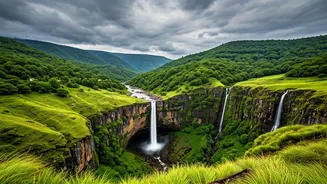
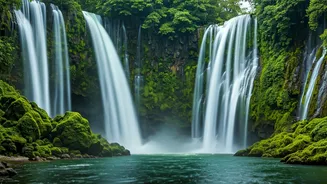
Among the most famous of Lonavala’s waterfalls is Kune Falls, the 14th highest in India. [3, 12] Cascading from a height of about 200 metres (660 feet) in three distinct tiers, it is a magnificent sight. [9, 12, 14] Located between Lonavala and Khandala, the falls are surrounded by dense forest, making the view from a distance just as captivating as a closer look. [3, 9] During the peak monsoon months of July and August, the falls are at their most powerful, attracting tourists who come to witness the sheer volume of water plunging down the rock face. [5] While swimming is a popular activity, the currents can be strong, and visitors should exercise caution. [9, 13]
Bhushi Dam: A Social Spectacle
While not a natural waterfall, Bhushi Dam offers one of Lonavala’s most iconic monsoon experiences. [16] When the dam overflows, water cascades down a series of wide stone steps, creating a unique water park-like atmosphere. [19, 20] It’s a social hub where crowds gather to sit on the steps and let the cool water rush over them. [16, 19] The area is usually buzzing with energy, lined with vendors selling hot corn on the cob (bhutta) and tea, completing the classic monsoon experience. [8] However, due to its immense popularity, it can get very crowded, especially on weekends. Following a tragedy in 2024, authorities have implemented safety measures, and entry into the water is now prohibited, though the spectacle can still be enjoyed from a safe distance. [15]
Kataldhar: The Adventurer's Choice
For those willing to venture off the beaten path, Kataldhar Waterfall offers a more secluded and adventurous experience. [21, 23] The name translates to ‘rock cliff waterfall,’ and reaching it requires a trek through a dense forest in the Ulhas Valley. [11, 21] The trail can be challenging and slippery, making it suitable for more experienced trekkers. [11, 23] The reward is a breathtaking view of a massive waterfall plunging approximately 350 feet into the valley below. [21, 23] A unique feature is a large, eye-shaped cave at the base from which you can watch the water cascade down in front of you, a truly surreal experience. [8, 21]
Tips for a Safe and Enjoyable Visit
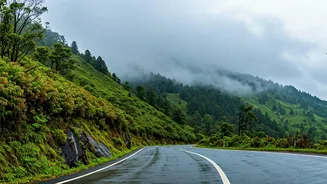
Enjoying Lonavala's monsoon beauty comes with a need for caution. The terrain becomes extremely slippery, so sturdy footwear with a good grip is essential. [7, 29] Always check the weather forecast before you travel, as heavy rains can increase risks and lead to the closure of certain areas. [7, 15] Authorities often issue safety advisories, especially for popular spots like Bhushi Dam, so it's crucial to respect all signages and restricted zones. [15, 17] Avoid standing too close to the edge of cliffs or waterfalls for selfies, as the ground can be unstable. [17] Carry a raincoat, protect your electronics in waterproof bags, and if you plan to trek, inform someone of your route and expected return time. [28, 29]