


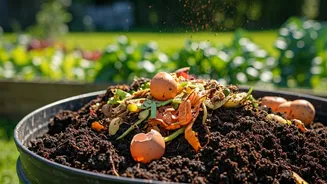


Why Is Everyone Talking About Composting?
The enthusiasm for composting isn't just about being trendy; it's a practical response to a growing problem. India's cities are grappling with overflowing landfills, a significant portion of which is composed of organic waste from kitchens like ours.
When this wet waste is mixed with dry waste and sent to a landfill, it decomposes without oxygen, releasing methane—a potent greenhouse gas. By choosing to compost, households are taking a powerful step. They are diverting kilos of waste from landfills every month, reducing their carbon footprint, and creating a valuable resource from something they used to throw away. It’s a win for their conscience and a win for the environment.
Choosing Your Compost Companion
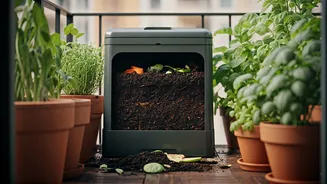
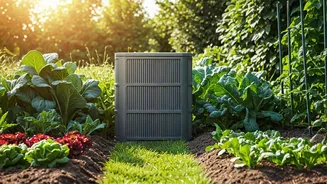
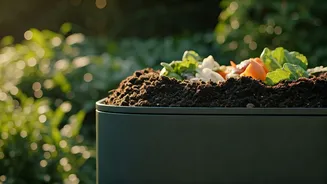
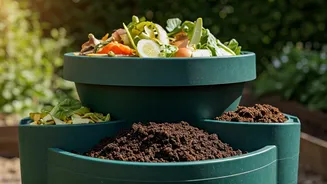
Getting started feels much less intimidating when you realise there's a composting solution for every type of home. For apartment dwellers in Mumbai or Bengaluru, space is a premium. This is where stackable terracotta composters, like the popular ‘Khamba’ pots, shine. They are neat, compact, and fit easily on a balcony. For those with a bit more space, like a backyard or a terrace in Delhi or Chennai, larger plastic or metal bins can handle more volume. There's also vermicomposting, which uses earthworms to break down waste even faster, producing some of the richest compost available. The key is to pick a system that matches your space and the amount of waste your family produces.
The Simple Recipe for Success
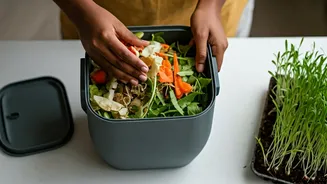
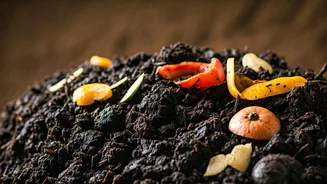
Successful composting boils down to a simple recipe: balancing your 'greens' and 'browns'. 'Greens' are the nitrogen-rich wet materials from your kitchen. This includes fruit and vegetable peels, coffee grounds, tea leaves, eggshells, and even leftover cooked rice (in small amounts). 'Browns' are the carbon-rich dry materials. Think dried leaves from your neighbourhood, shredded newspaper, cardboard, sawdust, and coconut fibres (cocopeat). A good rule of thumb is to add one layer of 'browns' for every layer of 'greens'. This balance is crucial. The greens provide the nutrients for decomposition, while the browns provide aeration and prevent the pile from becoming a smelly, sludgy mess.
What You Can (and Can't) Compost
Most of your kitchen waste is perfect for the compost bin. All uncooked vegetable and fruit scraps are fantastic. Crushed eggshells add valuable calcium. Coffee grounds and tea bags (staples removed) are excellent additions. However, there are a few items to keep out. Avoid adding meat, fish, bones, and dairy products. These can attract pests and create foul odours as they decompose. Similarly, oily or greasy foods are best left out as they can disrupt the moisture balance and slow down the composting process. Sticking to plant-based waste is the safest and most effective strategy for beginners.
Solving Common Composting Worries
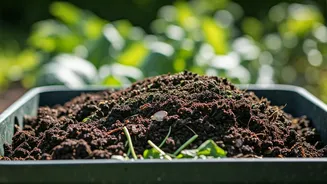
The two biggest fears that stop people from composting are smells and pests. The good news is that a healthy compost bin doesn't smell bad; it smells earthy, like a forest floor after rain. If your bin starts to smell foul or sour, it's a sign that it’s too wet and needs more 'browns'. Simply add a generous layer of dried leaves or shredded cardboard and give it a good mix to introduce air. To keep pests away, always ensure your bin has a secure lid and that you cover every fresh layer of kitchen scraps with a layer of dry 'browns'. This simple habit hides the food source from flies and other critters.