






Understanding the Alarming Figure
The Southwest Monsoon is the lifeblood of India, accounting for over 70% of the country's annual rainfall. Its timely arrival and even distribution are crucial. In the first two weeks of June 2024, the India Meteorological Department (IMD) reported a staggering
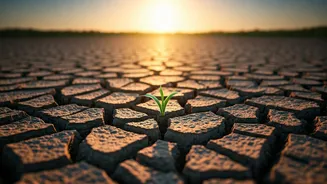
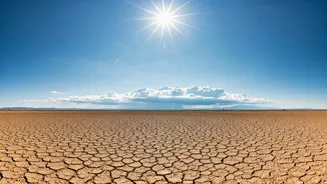
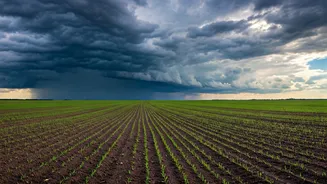
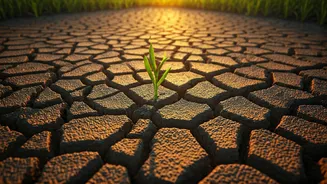
46% rainfall deficit across the country. This wasn't just a minor delay; it was a sign of a sluggish and weak onset. While the monsoon officially arrived over Kerala on May 30th, its progress stalled significantly. Key agricultural regions in Maharashtra, central India, and the northwest remained parched, creating a domino effect of concerns right at the start of the critical Kharif sowing season.
The Direct Hit on Agriculture
For millions of farmers, the monsoon is the starting gun for sowing Kharif crops like rice, soybeans, pulses, and cotton. A major deficit in June directly translates to delayed sowing. This delay is perilous for several reasons. First, it compresses the growing window, which can significantly reduce crop yields. Second, it forces farmers to make tough choices: wait for rain and risk a late harvest, or sow with insufficient soil moisture and risk crop failure. The early deficit put a pause on agricultural activities across vast swathes of the country, directly impacting the livelihoods of a sector that employs nearly half of India’s workforce. The longer the delay, the greater the threat to food security and rural incomes.
From Farm to City: The Water Crisis
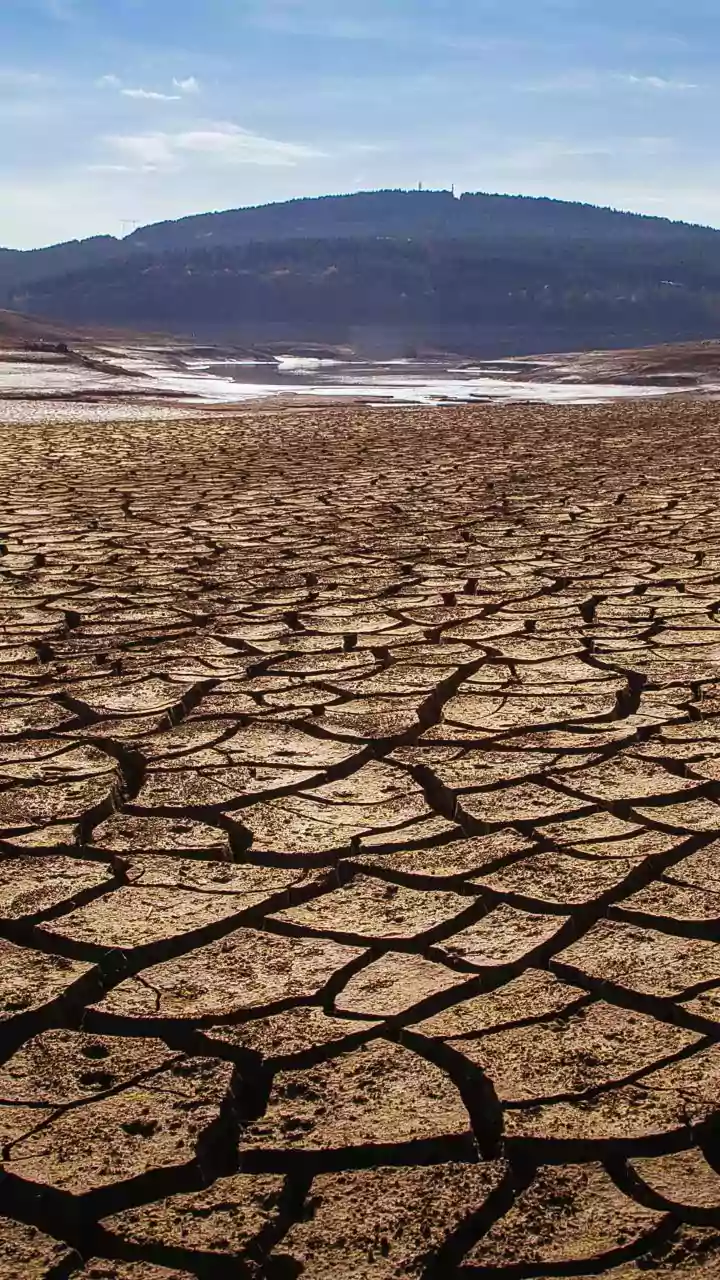
The monsoon’s importance extends far beyond agriculture. It’s the primary season for replenishing India's 150 major water reservoirs. These reservoirs are vital for drinking water supply to cities, industrial use, and generating hydroelectric power. Heading into the monsoon, reservoir levels were already at a five-year low due to a scorching summer. The initial deficit meant that instead of filling up, water levels continued to deplete. This raises the spectre of water rationing in urban centres and potential power shortages if hydropower generation is curtailed. A weak monsoon doesn't just mean a problem for farmers; it means a potential crisis for everyone.
The Ripple Effect on Your Wallet
The economic consequences of a poor monsoon are swift and widespread. Agriculture contributes significantly to India’s GDP, and a weak performance drags down overall economic growth. More immediately, however, it hits your wallet through food inflation. Delayed sowing and lower yields, particularly for pulses and vegetables, can lead to supply shortages and a sharp spike in prices. This is precisely what the Reserve Bank of India watches with caution. Furthermore, lower farm incomes reduce rural demand for goods and services, from tractors to consumer products, creating a slowdown that ripples through the entire economy. The 46% deficit was a warning of this exact inflationary and recessionary pressure.
A Warning, Not a Final Verdict
While the early deficit was a major cause for concern, it’s important to see it as a warning rather than a forecast for the entire season. The IMD has maintained its prediction of an 'above-normal' monsoon for the season as a whole, banking on favourable conditions like a weakening El Niño and a developing La Niña. In the latter half of June, the monsoon did show signs of revival, covering more ground and reducing the deficit. However, the initial shock serves as a stark reminder of India’s vulnerability. The key now is the distribution of rainfall in July and August, which are the most crucial months for crop growth. The warning has been sounded; the focus now shifts to recovery and mitigation.