



From Textbook Page to Launch Pad
Learning about rocketry and satellites from a textbook is one thing; standing before a life-sized model of a Polar Satellite Launch Vehicle (PSLV) is another. Several ISRO centres across India, such as the Vikram Sarabhai Space Centre in Thiruvananthapuram
and the Satish Dhawan Space Centre in Sriharikota, offer students a chance to bridge this gap. These visits transform abstract principles into awe-inspiring reality. Seeing the sheer scale of a rocket or the intricate design of a satellite firsthand provides a level of understanding and excitement that diagrams and equations simply cannot match. Interactive exhibits, working models, and 3D theatre shows at places like the Vikram Sarabhai Space Exhibition in Ahmedabad make complex ideas about orbital mechanics and satellite applications accessible and engaging. This shift from passive learning to active observation is often the first step in seeing space not just as a subject, but as a future.
A Universe of Career Opportunities
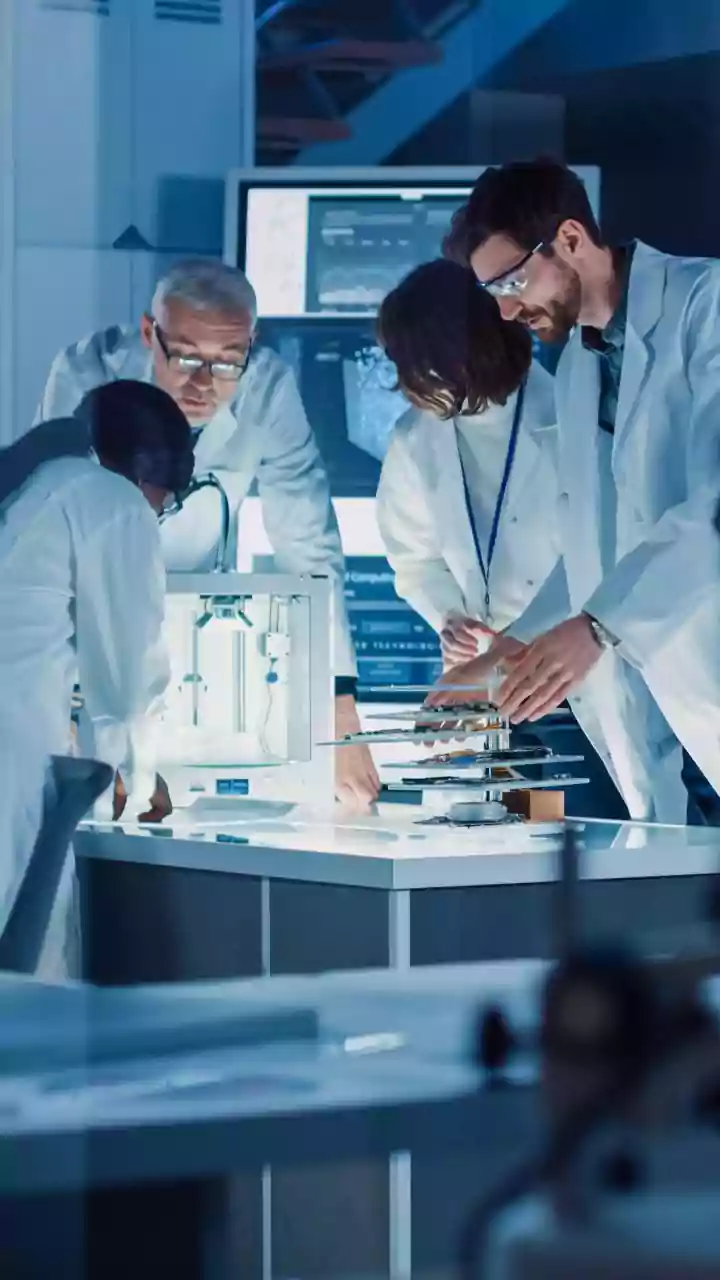
Perhaps the most significant impact of an ISRO visit is the demystification of what a “space career” actually means. The common perception is often limited to astronauts and rocket scientists. However, a tour through an ISRO facility reveals a vast ecosystem of diverse roles. Students see that missions like Chandrayaan or Mangalyaan are the result of a massive team effort involving specialists from numerous fields. There are mechanical engineers designing structures, electronics experts developing communication systems, computer scientists writing mission-critical software, and materials scientists creating alloys that can withstand extreme temperatures. Beyond the core STEM roles, there are opportunities in administration, finance, and project management that are essential to running a large-scale space programme. This exposure helps students connect their specific interests—whether in coding, design, or management—to the larger mission of space exploration, broadening their career horizons exponentially.
The Human Element of Innovation
Seeing the massive rockets and gleaming satellites is inspiring, but seeing the people who build them is empowering. Student visits, especially for older groups, can sometimes include interactions with ISRO scientists and engineers. These encounters are invaluable. They put a human face to the incredible technological achievements, showing students that the brilliant minds behind India's space missions are relatable individuals who once started in a classroom just like them. It breaks down the barrier of perceived genius and makes a career in space science feel attainable. ISRO has also launched various outreach programmes like YUVIKA, or the 'Young Scientist Programme', specifically to engage students and encourage them to pursue careers in STEM. These initiatives, along with facility visits, show that ISRO is actively investing in its next generation of talent, creating a direct pathway from youthful curiosity to professional contribution.
Connecting to a National Dream
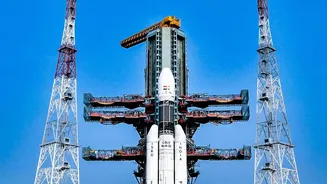
A visit to an ISRO facility is more than just an educational trip; it's an exercise in national pride. Students walk through halls that showcase a story of indigenous innovation, from the early days of sounding rockets to becoming the first nation to land on the lunar south pole. They see how India built a world-class space programme with ingenuity and determination. This narrative is incredibly powerful. It instills a sense of belonging and purpose, showing students that a career at ISRO is an opportunity to contribute to a legacy of national achievement. Witnessing the launch pads at Sriharikota, the satellite assembly lines in Bengaluru, or the application centres in Ahmedabad connects them to this larger story. This experience can ignite a powerful form of motivation, driven not just by personal ambition but by the desire to be part of one of India’s greatest modern adventures.