


The Rise of 'Sad Beige'
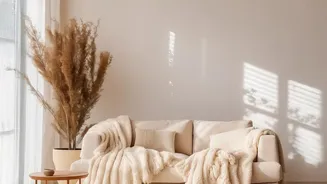
The obsession with a single, muted neutral, from the walls to the sofa, created a cohesive look that was easy to assemble and photograph. Driven by the 'quiet luxury' trend of the early 2020s, beige became the go-to for a sophisticated, minimalist aesthetic.
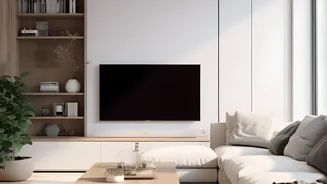
However, designers now note a significant drawback: when overused, a single shade of beige can make a room feel flat, one-dimensional, and devoid of personality. This has led to the rise of terms like 'sad beige,' describing spaces that, while inoffensive, lack warmth, character, and the emotional pull of a truly personal home.
Defining Layered Neutrals
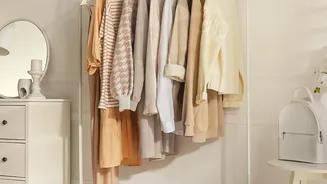
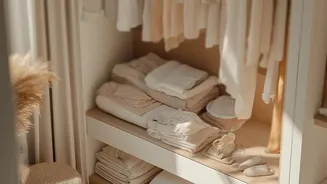
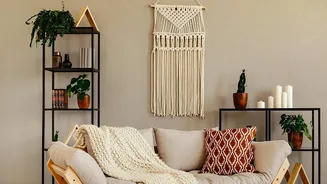
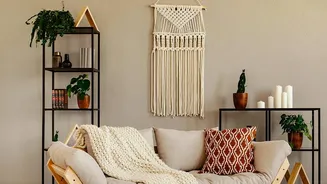
The antidote to the beige-on-beige slump isn't a chaotic explosion of colour. Instead, it’s a more sophisticated approach: layering neutrals. This means moving beyond a single shade and embracing a family of related tones. Think of combining warm whites, creams, taupes, mushroom greys, and different shades of beige all within the same space. The goal is to create visual interest and depth through subtle shifts in tone. This evolution, sometimes called 'neo-neutrals,' involves using shades with subtle undertones of green, yellow, or blush to add complexity and warmth that pure beige or grey can lack. The result is a space that feels calm and harmonious, but also rich and visually stimulating.
Texture: The Secret Ingredient
When working with a subtle palette, texture becomes your most powerful tool. Different materials catch light in unique ways, creating shadows and highlights that prevent a neutral room from feeling boring. The key is to mix a variety of tactile surfaces. Imagine a linen sofa paired with a woollen throw, a jute rug underfoot, a smooth marble coffee table, and rattan or cane accents. Natural materials are essential here; elements like wood, stone, and woven fibres introduce an organic warmth and tactility that brings a layered neutral scheme to life. Each texture adds a new layer of interest, inviting you to not just see the room, but to feel it.
Playing with Tone and Shade
Successfully layering neutrals is like composing a symphony in a single key. You need variation in tone to create rhythm and depth. Don't be afraid to mix different shades of white, cream, and beige. A room with warm beige walls can be anchored by a slightly darker taupe sofa, brightened with cream-coloured curtains, and accented with tan chairs. This tonal variation is what separates a dynamic, layered space from a monotonous one. The idea is to keep the undertones consistent—pair warm beiges with other warm tones—to ensure the palette feels cohesive rather than chaotic.
The Power of Contrast
Even a room dedicated to neutrals needs a little contrast to ground it. This doesn't mean you need to add a bright, jarring colour. Instead, think about introducing small but mighty elements in darker tones. A few black metal picture frames, a dark brown wooden side table, or even deep charcoal cushion covers can provide a focal point and prevent the softer shades from blending into a single 'beige soup'. Deeper, earthy tones like olive green, rust, or chocolate brown can also act as grounding accents, adding dimension while remaining in harmony with the overall neutral palette.