





The temptation to jump straight into a pool, lake, or ocean on a hot day is universal. But for contact lens wearers, that simple pleasure comes with a serious, often underestimated, risk. It's a question millions ask: is it really that bad?
Why Water and Lenses Don't Mix
Eye care professionals
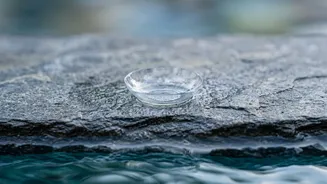
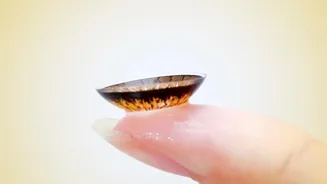
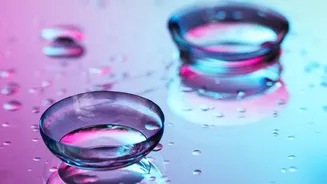
and health organisations like the CDC are unanimous: contact lenses should not be exposed to any kind of water. This includes pools, oceans, lakes, hot tubs, and even the seemingly clean water from your shower or tap. The reason lies in the nature of the lenses themselves. Soft contact lenses are porous, meaning they can absorb water. When this happens, they can swell, change shape, and stick to the surface of your eye, which can be uncomfortable and even scratch your cornea. More dangerously, this absorbent quality allows the lens to act like a sponge, trapping any microorganisms present in the water and holding them directly against your eye. This creates a perfect breeding ground for infection.
The Most Serious Threat: Acanthamoeba Keratitis
Among the many pathogens lurking in water, the most feared by ophthalmologists is a microscopic organism called Acanthamoeba. This amoeba is commonly found in soil and nearly all sources of water, including treated tap water and chlorinated pools. While harmless if ingested, it can cause a devastating eye infection called Acanthamoeba keratitis if it gets trapped behind a contact lens. This infection is notoriously painful, difficult to treat, and can lead to corneal ulcers, the need for a corneal transplant, and in severe cases, permanent vision loss or blindness. The risk of this rare but severe infection is a primary reason why swimming with contact lenses is strongly advised against.
What About Chlorinated Pools and Saltwater?
Many people assume that chlorinated pool water is sterile and therefore safe. This is a dangerous misconception. While chlorine kills many germs, it doesn't eliminate all of them instantly, including resilient organisms like Acanthamoeba. Furthermore, the chlorine itself can be absorbed by soft lenses, leading to prolonged chemical irritation, redness, and dryness long after you've left the pool. Ocean water poses its own challenges, introducing salt that can dehydrate your lenses and eyes, while sand and other debris can get trapped underneath, causing painful corneal abrasions. Simply put, no body of water is considered safe for contact lens wear.
Safer Alternatives for Clear Vision in the Water
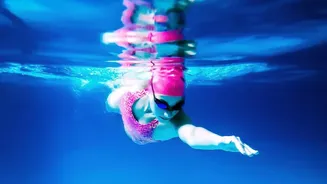
Needing vision correction shouldn't stop you from enjoying the water safely. The best and most recommended option is a pair of prescription swimming goggles. These are custom-made to your prescription, providing clear vision while creating a seal that keeps water and contaminants away from your eyes entirely. If you only swim occasionally, another strategy is to use daily disposable lenses, but with extreme caution. You would wear them for the swim (ideally under tight-fitting, non-prescription goggles) and then discard them immediately upon getting out of the water, replacing them with a fresh pair. This reduces the risk but doesn't eliminate it, as the lens is still exposed during the swim.
Oops, I Swam with My Lenses In. What Now?
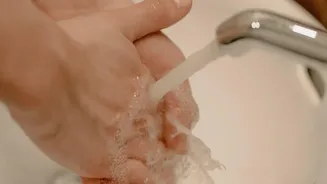
If you've accidentally swam or showered with your lenses, the key is to act quickly. First, wash and dry your hands thoroughly. Remove the lenses as soon as possible. If you wear daily disposables, throw them away immediately—do not try to reuse them. If you have reusable lenses, they must be rigorously cleaned and disinfected by soaking them in fresh solution overnight, or for at least 24 hours, to kill as many lingering microbes as possible. Never put a lens that has been in water straight back into your eye. Monitor your eyes closely for the next few days for any signs of trouble, such as redness, pain, light sensitivity, blurred vision, or discharge.