






The Soaking Question Solved
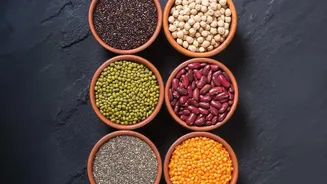
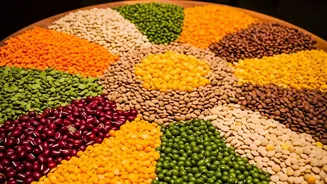
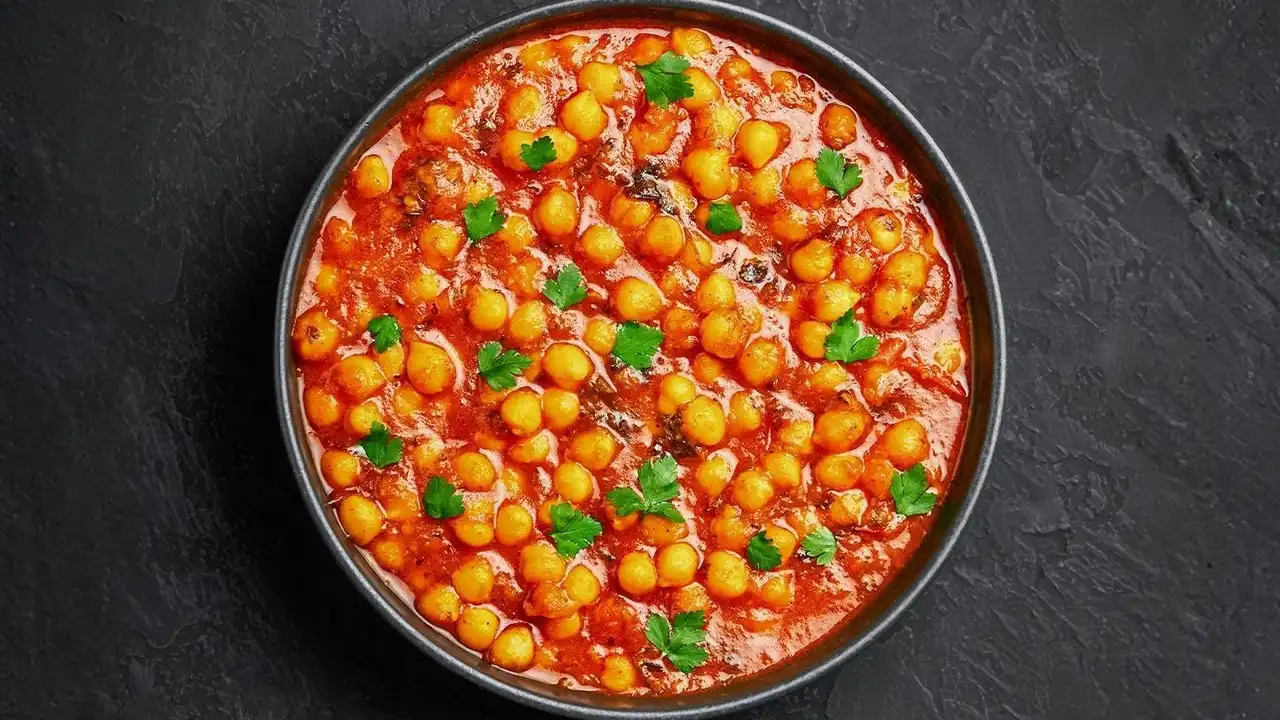
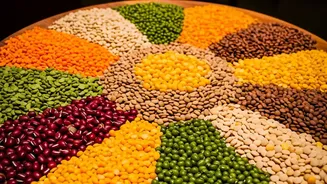
One of the biggest hurdles is deciding whether to soak. Here’s a simple rule: larger, tougher pulses like chickpeas (chana), kidney beans (rajma), and whole black lentils (urad dal) benefit immensely from soaking. Soaking softens their outer layer, reducing
cooking time and making them easier to digest. An overnight soak in cold water is ideal. If you're short on time, a 'quick soak' works wonders: bring the pulses to a boil for a few minutes, then let them stand in the hot water for at least an hour. For smaller pulses like split lentils (masoor, moong dal) and split peas, you can skip the soaking entirely; a good rinse is all they need. Always discard the soaking water and cook with fresh water, as the soaking liquid can contain compounds that cause bloating.
Debunking the Salt Myth
It's a common kitchen belief that adding salt too early makes beans tough. However, this myth has been largely debunked. In fact, salting the water at the beginning of the cooking process can help the pulses cook more evenly and prevent their skins from bursting. It also seasons them from the inside out, resulting in a much more flavourful dish. The real culprit behind tough beans isn't salt, but acidic ingredients. Adding tomatoes, vinegar, or lemon juice at the start of cooking can prevent the pulses' cell walls from breaking down, leaving them stubbornly hard. The rule is simple: add your acids only after the pulses are fully tender.
Mastering the Perfect Texture
The ideal texture depends on the dish, but nobody likes a watery dal or a crunchy bean. For a creamy, luscious dal makhani or dal tadka, slow simmering is key. After initial cooking in a pressure cooker or pot, letting the dal simmer gently on low heat allows the starches to release and the flavours to meld beautifully. Mashing some of the pulses against the side of the pot with a ladle or giving the dal a quick whiz with an immersion blender can create instant creaminess. Vigorous boiling should be avoided, as it can make the outer layers mushy while the inside remains undercooked. A gentle, steady simmer is the path to an even, tender cook.
The Problem with Old Beans
Have you ever cooked a batch of beans for hours, only to find they're still hard as pebbles? The issue might not be your technique but the age of your pulses. As dried beans get older, their outer coats harden and they lose moisture, making them resistant to rehydration. These beans can take an incredibly long time to soften, and sometimes they never will, no matter how long you cook them. To avoid this, try to buy pulses from stores with high turnover to ensure you're getting a fresher stock. Store your dried pulses in an airtight container in a cool, dark place, and aim to use them within a year of purchase.
Building Flavour from the Start
Pulses on their own have a mild, earthy flavour, making them a perfect canvas for other ingredients. Don't just cook them in plain water. Building a foundation of flavour is essential. For most Indian dals, this means starting with a tadka (tempering) of ghee or oil with spices like cumin seeds, mustard seeds, and asafoetida (hing). Sautéing aromatics like onions, ginger, and garlic before adding the lentils infuses the entire dish with deep, savoury notes. You can also add whole spices like bay leaves or a cinnamon stick to the cooking water itself for a more subtle, infused aroma.