








When 'Peak Season' Becomes Risky
The very idea of a peak travel season was built on predictable weather — sunny summers in Europe, pleasant winters in Goa, and crisp, snowy holidays in the mountains. But that predictability is fading. In recent years, Europe's summer has been marked
by record-breaking heatwaves, forcing tourist sites like the Acropolis in Athens to close and sparking wildfires that led to mass evacuations in places like Rhodes. For every 1-degree Celsius increase in average temperature, some studies show international tourist arrivals can drop by over 8%. It's not just heat. The timing and intensity of India’s monsoon are also becoming more erratic, leading to floods and landslides that can paralyze popular destinations. Meanwhile, smoke from wildfires in North America and agricultural burning in parts of Asia can blanket entire regions, ruining air quality and forcing travelers indoors. The dream holiday is now a gamble against the elements.
The Smart Traveler’s Secret: Shoulder Season
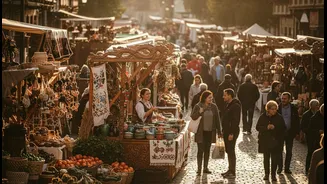
As peak seasons become more challenging, savvy travelers are discovering the 'shoulder season' — the period just before and after the main tourist rush. Think April-May and September-October for Europe, or the months flanking India's heavy monsoon. According to a 2026 travel report, a majority of travel advisors are seeing increased client interest in these off-peak periods, driven by a desire for more moderate weather. The benefits are compelling. Airlines and hotels often price their services based on demand, which is traditionally tied to school holidays. By traveling just a few weeks outside these peak times, you can often find prices drop by 25-40%. Beyond the savings, you’ll find fewer crowds at major attractions, offering a more relaxed and authentic experience. What was once a budget-friendly tactic has now become the smartest way to guarantee a pleasant trip.
Rethinking Your Indian Holiday Calendar
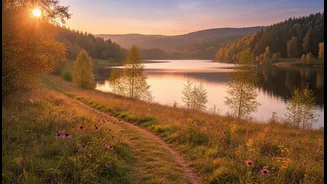
This new approach works beautifully within India. Instead of joining the December crowds in Goa, consider visiting in late September or October. The landscape is lush and green after the monsoon, the beaches are quieter, and the weather is beautiful. Similarly, the Himalayan hill stations, typically mobbed in May and June, can be breathtaking in September and October, with clear skies and vibrant autumn colours. Planning a trip to Rajasthan? The intense heat of April and May can be draining. A trip in February or even during the lighter monsoon showers of August can make exploring its majestic forts far more enjoyable. For backwater experiences in Kerala, the post-monsoon period offers stunning greenery without the peak-season rush of December and January. The key is to look at a destination's weather patterns, not just its traditional tourist calendar.
Taking This Strategy Global
The same logic applies to international travel. A summer trip to Italy or Spain now comes with a serious risk of dangerously high temperatures. By shifting that trip to May or late September, you can enjoy pleasant, sunny days perfect for sightseeing without the health risks or closures. Destinations in Southeast Asia are often best visited outside their heaviest rainy seasons, offering a balance of good weather and fewer tourists. This trend is causing a geographic shift in tourism, with cooler, northern European destinations seeing a rise in summer visitors who are actively avoiding the extreme heat of the south. As travelers become more climate-aware, flexibility is becoming the ultimate travel hack. Instead of fighting the weather, we can learn to work with it, unlocking better experiences in the process.
How to Plan in an Unpredictable World
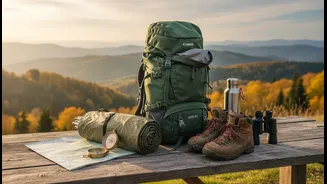
Adapting to this new reality requires a more flexible approach to planning. First, prioritize destinations known for milder climates during your travel window. When booking, check for flexible options on flights and accommodation that allow for changes. Travel insurance that covers weather-related disruptions is also becoming essential. Before you go, check long-range weather forecasts and local advisories for any warnings about heat, storms, or air quality. On the ground, be prepared to adjust your daily schedule. Plan strenuous outdoor activities for the cooler morning and evening hours, and use the hot midday period for indoor attractions, a leisurely lunch, or simply relaxing. Packing light, breathable clothing and staying hydrated are simple but crucial steps to ensure your comfort and safety in hot weather.