




Beyond the Pan-Indian Plate
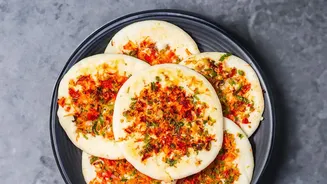
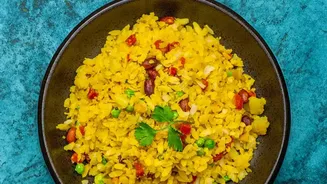
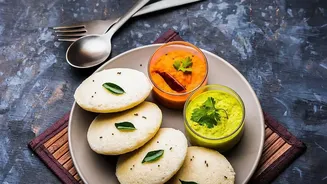
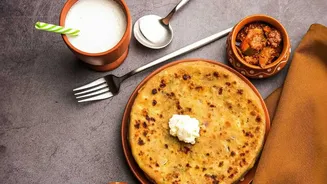
For many, the morning meal in India brings to mind a familiar cast of characters: fluffy idlis, crispy dosas, hearty parathas, and quick-fix poha. While these dishes are beloved staples, they represent just a fraction of the country's breakfast repertoire.
For decades, convenience and the migration of people to urban centres led to a standardisation of morning meals. Regional specialities, once the pride of local kitchens, often took a backseat to faster, more widely available options, including factory-made bread. However, the tide is turning. A culinary awakening is happening across the country, a movement that values authenticity and tradition, and it is most visible in the first meal of the day.
A Craving for Authenticity and Health
This revival isn't just about nostalgia; it's driven by a confluence of modern desires. There's a growing consciousness around health, with many people seeking breakfast options that are light, nutritious, and free from processed ingredients. Traditional breakfasts, often made from fermented batters, millets, and lentils, fit this need perfectly. The Gujarati handvo, a savoury cake of fermented rice and lentils, or the protein-rich pesarattu from Andhra Pradesh, made with moong dal, offer energy without the heaviness. This shift is part of a larger 'hyperlocal' movement, where consumers and chefs are prioritising local, seasonal ingredients, which not only taste better but also support local economies and reduce environmental impact.
Champions of the Forgotten Feast
The resurgence is being fueled by a diverse group of food champions. Chefs are digging into culinary archives and family recipes to bring forgotten dishes to their restaurant menus. Food bloggers and home cooks are using social media platforms to share generations-old recipes, from Bihar's sattu paratha to Bengal's seasonal pithas, introducing them to a new, curious audience. This digital word-of-mouth has been crucial. When a home chef shares a video of making Maharashtrian thalipeeth or a food enthusiast posts about Karnataka's steamed lentil nuchinunde, it does more than just share a recipe; it preserves a piece of cultural history.
A Taste of the Revival
So, what does this revival look like on a plate? In the east, you might find radhaballavi, deep-fried puris stuffed with a spiced lentil filling. In parts of Tamil Nadu and Kerala, the conversation is moving beyond the everyday idli to dishes like the steamed rice and coconut cylinders of puttu, or the delicate, lacy appam. In Goa, pao tonak, a hearty stew of legumes served with local bread, offers a glimpse into the state's unique culinary traditions. Even familiar dishes are being celebrated in their original, more complex forms. It's a movement that proves that what's old can be thrillingly new, and that variety is the true spice of Indian life.
More Than Just a Meal
Ultimately, this breakfast revival is about more than just food. It’s a powerful expression of identity and a rejection of a one-size-fits-all food culture. Choosing a regional breakfast is a small act of preserving biodiversity, honouring ancestral wisdom, and reconnecting with the distinct flavours of a specific place. As people in new cities adopt local breakfast habits, regional food spreads not through grand announcements, but through small, daily choices. A Mumbaikar developing a taste for Bengaluru's akki rotti or a Delhiite embracing Indori poha is how culinary borders soften and new habits form.