





The Monsoon Mountain Dilemma
Every year, from June to September, the Indian monsoon casts a spell over the subcontinent. While the rains bring relief from summer heat and transform landscapes into vibrant green wonderlands, they also pose significant risks for travellers, especially
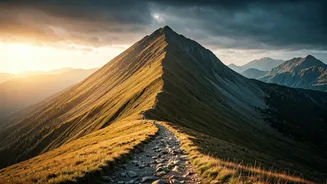
in the Himalayas. News of landslides, flash floods, and collapsing roads in states like Himachal Pradesh, Uttarakhand, and Sikkim has become a predictable and dangerous part of the season. Popular destinations like Manali, Nainital, and Gangtok often face road blockages that can isolate them for days, turning a dream holiday into a logistical nightmare. These incidents are not just inconvenconveniences; they are serious safety threats, with authorities frequently issuing travel alerts and advising caution on fragile mountain highways. For those yearning for a monsoon getaway, the question becomes: how to embrace the season's beauty without getting caught in its fury?
A Shift in Perspective: From Road to River
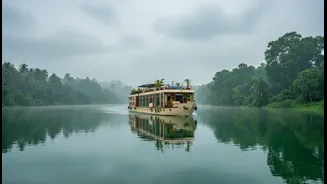
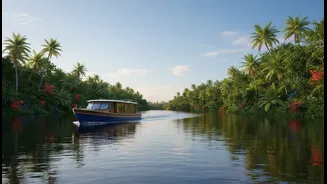
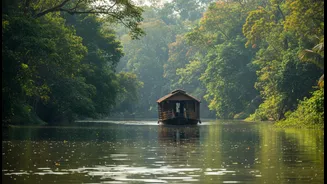
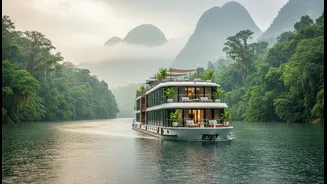
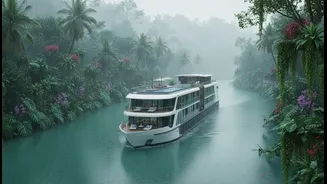
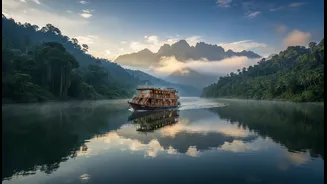
The answer may lie not in the mountains, but on the great rivers that flow through the plains below. River cruising in India, particularly on the mighty Brahmaputra in Assam and the historic Hooghly (a distributary of the Ganges) in West Bengal, presents a compelling alternative. Instead of navigating treacherous, landslide-prone roads, a river cruise offers a stable, controlled, and comfortable environment from which to witness the monsoon's splendour. The experience is fundamentally different—it is slow travel, designed for immersion and tranquility rather than a race to a destination. While mountain roads become unpredictable, a river journey is professionally managed, following routes that are navigable and safe, even when water levels rise.
Engineered for Safety and Serenity
The primary advantage of a river cruise during the monsoon is safety. Unlike cars or buses on a narrow mountain pass, modern river vessels are built to handle changing water conditions. Captains and crew are experts in navigating the rivers, and itineraries are planned around safety, often avoiding peak flood periods or operating in more stable shoulder months like September and October. While the Brahmaputra is generally not navigable during the peak monsoon from May to September due to flooding, cruises resume as the waters recede, offering a view of the landscape at its most lush. On the Ganges, higher water levels in the late monsoon can even allow ships to reach areas like Varanasi, which are inaccessible during the drier winter months. This controlled environment eliminates the primary risks of monsoon travel: being stranded by a landslide or caught in a flash flood. The journey itself becomes the destination, enjoyed from the safety of a private balcony or a comfortable lounge.
The Promise of Low-Impact Travel
Beyond safety, river cruises champion a 'low-impact' form of tourism that is increasingly relevant. This approach minimises the strain on fragile terrestrial ecosystems, which are already under immense pressure during the monsoon. By their nature, cruises are low-volume, avoiding the mass tourism that can overwhelm sensitive destinations. Leading operators focus on sustainability, with on-board water treatment plants, plastic-free policies, and the use of local produce to support riverside communities. This model allows travellers to contribute positively to the local economy, supporting artisans and communities that are often inaccessible by land. It's a form of travel that respects both the environment and the culture, offering a more meaningful connection to the regions visited.
Experience the Monsoon in Comfort
Imagine watching the rain fall on the vast expanse of the Brahmaputra from your cabin, spotting river dolphins, or visiting a Mishing tribal village on stilts, built to coexist with the river's rhythms. Onboard experiences often include yoga sessions, naturalist-led talks, and regional cuisine, providing a rich cultural immersion. Shore excursions are carefully curated, taking guests on jeeps into wildlife sanctuaries like Kaziranga (when accessible) or to explore ancient temples and artisan workshops along the Hooghly. These activities are planned around the weather, blending indoor and outdoor experiences gracefully. It's a journey that offers adventure without peril and cultural depth without chaos, allowing you to experience the soul of the monsoon in complete safety and comfort.