




The Rise of the Green Office
The era of the sterile, air-conditioned office is facing a vibrant, green rebellion. As remote work becomes the norm for millions globally, a new question arises: if you can work from anywhere, where is the best place to be? For a growing community of digital
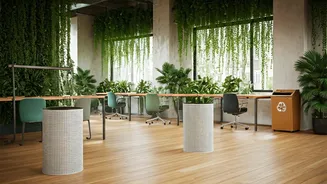
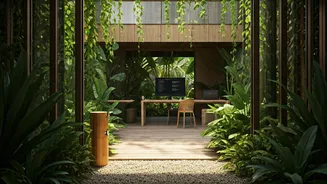
nomads and creative professionals, the answer lies in spaces that don't just offer Wi-Fi, but also wellness and a connection to nature. Thailand, long a haven for travellers and remote workers, is now at the forefront of this movement with its garden workspace hubs. These aren't just coworking spots with a few potted plants; they are integrated environments designed to blend productivity with the tranquillity of nature. Located in cities like Chiang Mai or on lush islands like Koh Phangan, they offer a powerful antidote to the burnout and isolation of traditional work life.
Decoding 'Zero-Waste Digital Living'
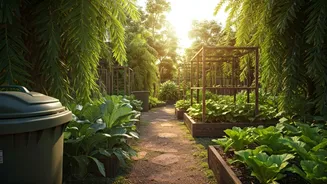
The term ‘zero-waste digital living’ might sound intimidating, but its core philosophy is surprisingly simple. It’s not about achieving absolute perfection, but about making conscious choices to minimise your footprint. In the context of these Thai hubs, it manifests in tangible ways. Physically, it means eliminating single-use plastics. You won’t find disposable cups or plastic water bottles here. Instead, there are filtered water refill stations, reusable cutlery, and on-site cafes that source ingredients locally, often from the workspace’s own garden. Composting systems turn food scraps into nutrient-rich soil. Digitally, the philosophy encourages a more mindful approach to our online lives—reducing digital clutter, unsubscribing from junk, and focusing on deep, meaningful work rather than endless distraction. It’s a holistic approach that views sustainability as something that applies to both our planet and our mental space.
A Day in a Garden Hub
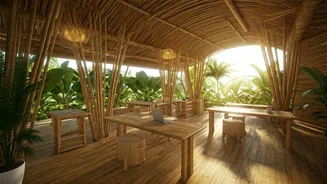
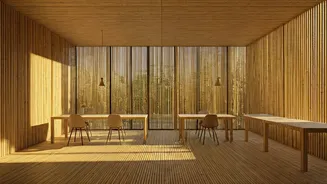
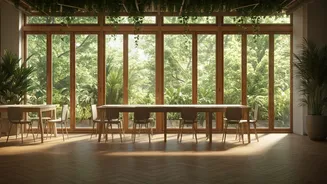
What does a typical day look like? It might start with a morning yoga session on an open-air deck, overlooking rice paddies. After that, you settle into your workspace—perhaps a shared long table made from reclaimed wood or a private bamboo pod. The Wi-Fi is fast and reliable, essential for video calls and focused work. The ambient soundtrack isn't a noisy street but the gentle hum of insects and birdsong. Lunch is a farm-to-table meal at the on-site cafe, featuring salads, curries, and smoothies made with ingredients picked just metres away. The afternoon might be broken up by a workshop on permaculture or a collaborative session with a fellow graphic designer or coder you just met. The community is a huge part of the appeal, attracting people who are not just building careers but are actively designing their lifestyles around values of sustainability, wellness, and connection.
More Than Just a Workspace
These hubs are designed as ecosystems, not just offices. The infrastructure is built to support a complete lifestyle. Many offer co-living options, with simple, eco-friendly bungalows or rooms available for rent, making the transition seamless. The focus extends beyond work to encompass overall well-being. You’ll find spaces dedicated to meditation, libraries stocked with books on sustainability and mindfulness, and regular community events like documentary screenings, skill-share sessions, and communal dinners. This integration of work, life, and community fosters a powerful sense of belonging and purpose, a far cry from the anonymity of a typical city office or the potential loneliness of working from a standard apartment. It’s about creating an environment where both your projects and you as a person can thrive.