



A Strategy of Deterrence
To understand the concern over Iran's missile bases, one must first understand its military doctrine. Lacking a modern air force comparable to rivals like the United States, Israel, or Saudi Arabia, Iran has invested heavily for decades in its ballistic
and cruise missile programs. This arsenal isn't just for a potential first strike; it's primarily a tool of deterrence and retaliation. The core idea is 'deterrence by punishment': ensuring that any attack on Iran would be met with a devastating counter-attack on the aggressor's military bases, cities, and critical infrastructure, particularly energy facilities. This strategy allows Iran to project power and create a credible threat, forcing potential enemies to think twice before engaging in direct conflict.
Strategic Geography: The 'Missile Cities'
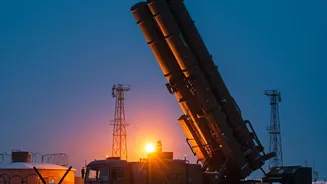
The most significant recent development in Iran's basing strategy is the construction of so-called 'missile cities'. These are not actual cities but vast, deeply buried underground complexes, some reportedly located 500 meters beneath mountains. These fortified bunkers are scattered across the country and are designed to protect Iran's most valuable missiles from a preemptive strike. Locations are believed to be clustered in several key regions: a central cluster near Isfahan, a major production hub; a western cluster near Kermanshah, positioned to target Israel and Iraq; and a northwestern cluster around Tabriz. Additional bases line Iran's southern coast, placing the critical shipping lanes of the Persian Gulf and the Strait of Hormuz squarely within range.
An Arsenal of Growing Concern
Iran's arsenal is one of the largest and most diverse in the Middle East. It includes thousands of short- and medium-range missiles. Short-range systems like the Fateh-110 family are often road-mobile, making them difficult to track. Medium-range missiles such as the Shahab-3, Ghadr, and Sejjil can travel between 1,300 and 2,000 kilometers, putting all of Israel, the Arabian Peninsula, and parts of Southeastern Europe within striking distance. While Iran has long maintained a self-imposed range limit of 2,000 kilometers, recent statements suggest this may have been abandoned, sparking fears about the development of longer-range systems. Furthermore, the recent introduction of hypersonic missiles like the Fattah, which can maneuver at extreme speeds, presents a new challenge for existing missile defense systems.
The New Concerns: Hardening and Dispersal
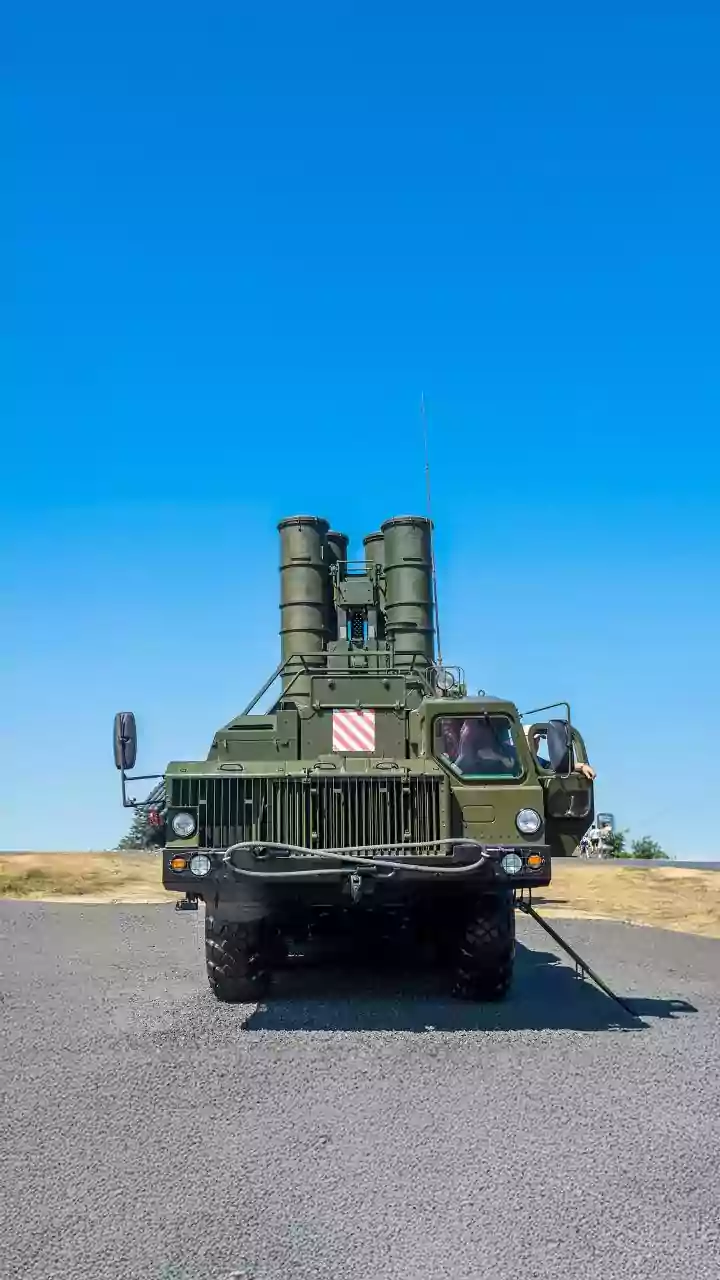
The 'new' concerns stem from two parallel trends. First is the hardening of these bases. By moving not only storage but also production facilities deep underground, Iran is attempting to create a missile infrastructure that can survive even sustained aerial bombardment. This severely complicates any military plan aimed at neutralizing Iran's missile capability. The second concern is dispersal. Alongside these fixed underground sites, Iran heavily utilizes mobile launchers that can be hidden in civilian areas or moved constantly, frustrating intelligence efforts to track them. Recent conflicts have highlighted this, with reports of mobile launchers being dug out of tunnels and redeployed after being targeted. This combination of hardened, hidden sites and mobile systems creates a resilient and unpredictable threat.
The Context of a 'Hot' War
The headline's mention of 'war' refers to the heightened state of conflict in the Middle East. In 2026, a fragile ceasefire remains under pressure following a direct war involving the US, Israel, and Iran that began on February 28. This conflict saw Iran launch widespread missile and drone attacks against US military facilities in Bahrain, Kuwait, and Qatar, as well as against infrastructure in Gulf states. These events have moved the threat from theoretical to actual, demonstrating Iran's willingness and ability to use its arsenal. With a US naval blockade in effect and ongoing retaliation from both sides, every move is scrutinized. The unveiling of a new underground missile 'city' on November 10, 2026, was seen as a deliberate show of force and a signal that its capabilities remain intact despite attacks.