






The Power of Protein
Protein is often called the building block of life, and for good reason. It’s essential for repairing tissues, building muscle, and creating enzymes and hormones. A protein-rich meal also helps you feel fuller for longer, which can prevent overeating
and stabilise blood sugar levels. Many traditional Indian diets, while rich in many nutrients, can sometimes fall short on protein, especially for vegetarians. The Indian Council of Medical Research (ICMR) suggests a daily intake of about 0.83 grams of protein per kilogram of body weight for a healthy adult. For a person weighing 60 kg, that’s roughly 50 grams of protein per day. Insufficient protein can lead to muscle weakness, fatigue, and a weakened immune system.
Finding Your Protein in an Indian Kitchen
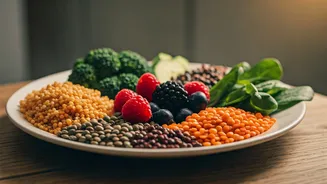
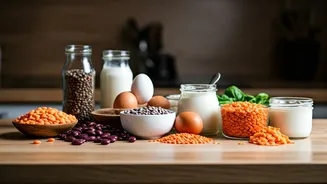
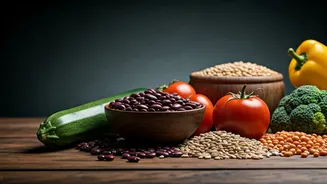
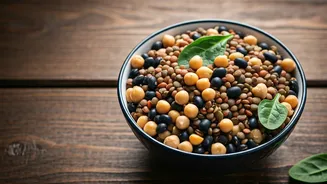
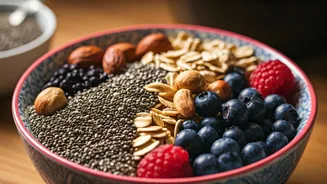
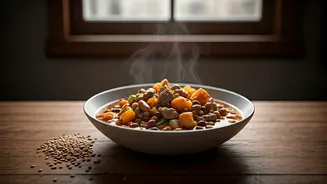
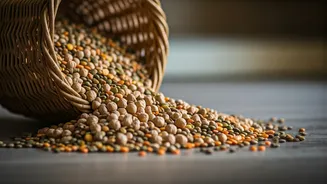
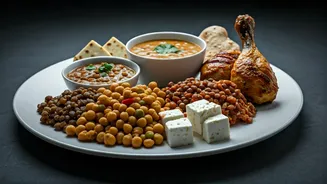
Getting enough protein is easier than you think, with plenty of delicious options available in any Indian kitchen. For vegetarians, pulses and legumes are powerhouses. Think about including various dals like moong, masoor, or toor in your daily meals. Chickpeas (chana), kidney beans (rajma), and paneer are also excellent choices. Combining cereals with pulses, for instance in a meal of dal and rice, can improve the overall protein quality. For non-vegetarians, lean meats, fish, and eggs are fantastic sources. Simple additions like a bowl of curd, a handful of nuts, or seeds can also significantly boost the protein content of your meal.
The Fibre Factor
Fibre is the unsung hero of a healthy diet. This plant-based carbohydrate can't be digested by the body, which is precisely why it’s so beneficial. It aids digestion, prevents constipation, and helps maintain a healthy gut. A high-fibre diet is also linked to a lower risk of heart disease, diabetes, and helps with weight management by keeping you feeling full. There are two types: soluble fibre, which dissolves in water and can help lower cholesterol, and insoluble fibre, which adds bulk to stool. Most adults should aim for about 25-38 grams of fibre per day, a target easily met with a varied diet.
Filling Up on Fibre-Rich Foods
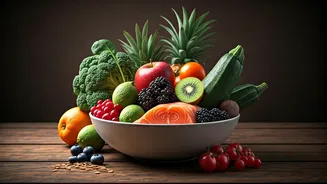
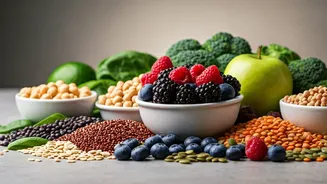
Indian cuisine is naturally rich in fibre if you make the right choices. Whole grains are a great place to start. Opt for whole wheat rotis, brown rice, and millets like jowar, bajra, and ragi. Legumes are a dual-benefit food, providing both protein and fibre. Vegetables are another key source; spinach (palak), fenugreek (methi), okra (bhindi), and carrots should feature regularly in your meals. When it comes to fruits, choose options like guava, apples (with the skin on), papaya, and bananas. Remember to eat the whole fruit instead of drinking juice to get the full fibre benefit.
Achieving True Balance on Your Plate
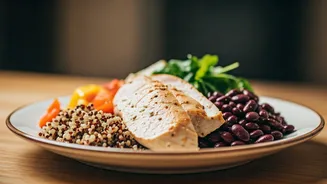
So, what does a balanced plate actually look like? A simple and effective visual guide is the quarter-plate rule. Imagine dividing your plate into three sections. Fill half of your plate with non-starchy vegetables, which are high in fibre, vitamins, and minerals. This could be a generous serving of sabzi, a fresh salad, or steamed greens. Fill one-quarter of your plate with a lean protein source. This is where your dal, paneer, chicken, or fish comes in. The final quarter should be for complex carbohydrates like whole-grain roti, brown rice, or millets. This combination ensures you get a steady release of energy and stay satiated.
Putting It All Together
Let's make this practical. A balanced day could start with a breakfast of moong dal chilla or daliya with vegetables. For lunch, a bowl of rajma with brown rice and a side of cucumber-tomato salad fits the balanced plate model perfectly. In the evening, a light dinner like paneer bhurji with a whole wheat roti and a portion of stir-fried vegetables provides protein, carbs, and fibre without being too heavy. Snacks can also be smart choices; think of a handful of roasted chana, a piece of fruit, or a small bowl of yogurt. The key is variety and mindfulness in choosing what you eat.