




Why Your Balcony Matters
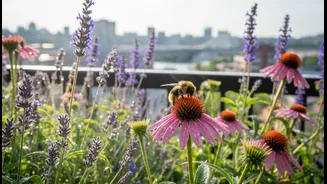
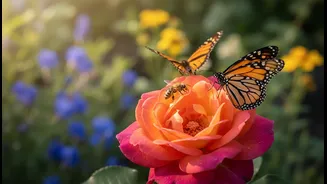
In sprawling urban environments, green spaces are often fragmented. A pollinator-friendly balcony acts as a crucial 'pit stop' for bees, butterflies, and other insects that are essential for healthy ecosystems. These tiny visitors are responsible for the reproduction
of countless plants, including many fruits and vegetables we eat. By creating a small sanctuary, you are not only beautifying your space but also contributing to local biodiversity, helping to bridge the gap between larger green areas and supporting resilient pollinator populations in the city. Plus, research shows that spending time in green spaces, even a small one of your own, can boost well-being and reduce stress.
Choosing the Right Plants for Indian Climates
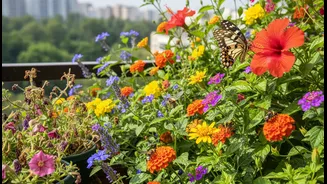
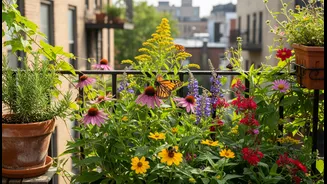
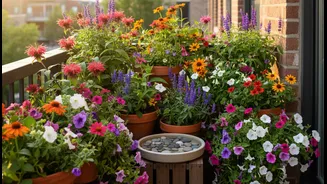
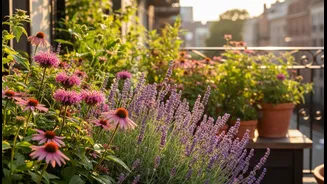
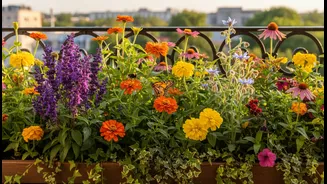
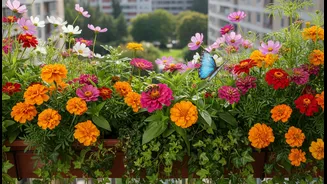
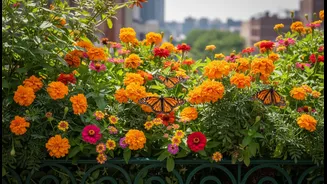
The foundation of any pollinator garden is a diverse selection of nectar-rich plants. For Indian balconies, it’s best to choose hardy, low-maintenance varieties that thrive in our climate. Marigolds (Genda) are a fantastic choice, as their bright blooms are magnets for bees and they bloom for long periods. Sacred Basil (Tulsi) is not just a kitchen staple; its small flowers produce abundant nectar that bees love. Other excellent choices include the vibrant Hibiscus (Gudhal), fragrant Jasmine (Mogra), and colourful Petunias. For a climbing option, the Butterfly Pea (Aparajita) grows beautifully on railings and its flowers attract butterflies. Try to plant a mix of colours and shapes to appeal to a wider variety of pollinators.
Creating a Complete Habitat
Beyond flowers, pollinators need water and shelter. Providing a safe water source is simple: fill a shallow dish with pebbles or marbles and add water. The stones give insects a safe place to land and drink without the risk of drowning. Shelter can be provided by grouping pots together to create protection from strong winds. You can also consider adding a small, ready-made 'bee hotel' to offer nesting space for solitary bees. It’s also crucial to avoid using chemical pesticides and herbicides, which can be deadly to pollinators. Opt for natural pest control methods like using neem oil sprays or companion planting with pest-repelling plants like marigolds.
Thinking Vertically and Seasonally
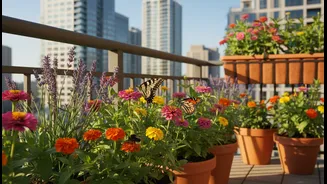
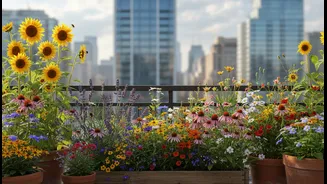
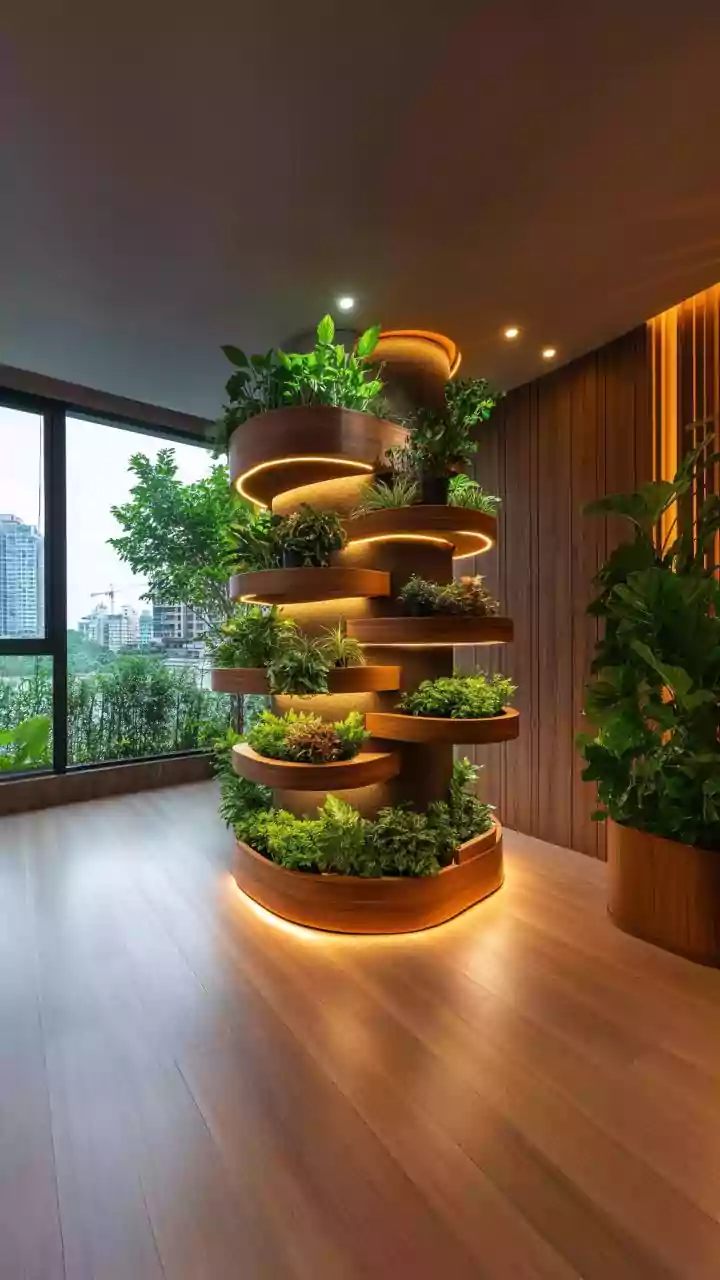
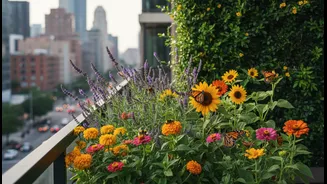
When space is limited, thinking vertically is key. Use railing planters, hanging baskets, and tiered shelves to maximize your planting area without cluttering your floor space. Climbing plants on a trellis can also add a lush, green backdrop. To provide a continuous food source, plan for blooms throughout the year. Combine plants that flower in different seasons. For example, Calendula can provide early blooms, while Zinnias and Cosmos will keep your balcony buzzing through the summer, and asters or late-blooming marigolds can extend the season into autumn. This staggered approach ensures your balcony is a reliable resource for pollinators from spring through fall.
Potting and Care Essentials
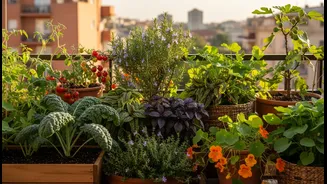
Success in a balcony garden starts with the right foundation. Choose pots with good drainage holes to prevent waterlogging and root rot. While it's tempting to use very large pots, selecting one that is just slightly larger than the plant's root ball is often better to avoid excess moisture. Use a high-quality potting mix and consider adding organic compost. Many low-maintenance plants like Vinca (Sadabahar) and Portulaca thrive with minimal fuss and are perfect for beginners. Remember that pots can dry out quickly, especially in the sun, so check the soil moisture regularly. Deadheading, or pinching off spent flowers, will encourage many plants like marigolds and zinnias to produce more blooms, extending their flowering period and keeping your pollinator cafe open for business.