

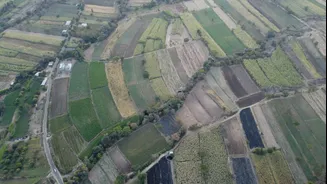
A World Reborn in Green
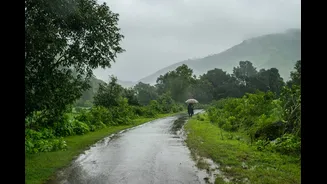
The most immediate change after months of rain is the sheer explosion of green. Dry, dusty landscapes are replaced by lush carpets of new grass, and trees don a thick, emerald canopy. This rejuvenation is more than just scenic; it’s a critical ecological
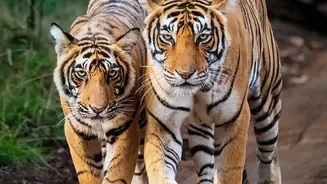
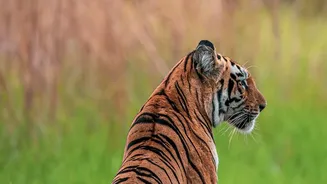
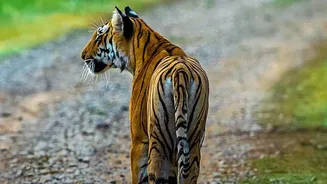
reset. The replenished water sources, from seasonal pools to flowing rivers, bring the entire ecosystem to life. The air is crisp, the dust has settled, and the forests of national parks like Corbett, Kanha, and Bandhavgarh look freshly painted and full of vitality. This verdant scenery provides a stunning, high-contrast backdrop for wildlife, especially for tigers whose orange coats stand out against the greenery.
Pleasant Weather and Active Wildlife
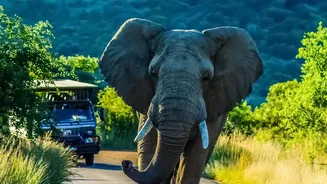
The period from October to December offers a sweet spot for safari-goers. The weather is pleasantly cool and comfortable, making early morning jeep drives far more enjoyable than in the scorching summer months. This agreeable climate also encourages animals to be more active during the day. Following the monsoon, food is abundant, and water is everywhere, meaning animals don't have to retreat into deep cover to survive. Mammals like elephants and deer are often seen exploring, with predators such as tigers and leopards in tow. Many parks also report that this is a time when young tiger cubs, born during the rains, start to venture out and learn survival skills, offering unique sighting opportunities for patient visitors.
The Great Reopening of National Parks
For wildlife enthusiasts, October marks a much-anticipated event: the reopening of core zones in most of India's premier national parks. These areas are closed during the monsoon to allow the ecosystem to recover, give animals privacy for breeding, and repair safari tracks damaged by heavy rains. While exact dates vary by park and state, many popular tiger reserves like Ranthambore, Tadoba, and Bandhavgarh typically reopen around October 1st. Others, such as certain zones in Corbett or parks like Kanha, may open by mid-October. This reopening signals the official start of the safari season, drawing travellers eager to be among the first to explore the revitalised jungles.
A Photographer’s Dream Canvas
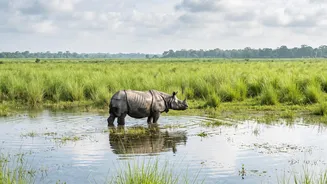
The post-monsoon season is a paradise for photographers. The soft, clear light of winter mornings, often accompanied by a magical mist, lends a cinematic quality to the forest. The vibrant greens, dramatic skies, and healthy, well-fed animals make for spectacular images. Beyond the big cats, this period is also exceptional for birdwatching. The replenished wetlands and rivers attract a host of resident and migratory birds. In parks like Keoladeo and Kaziranga, the water bodies teem with species like painted storks, pelicans, and bar-headed geese, adding another layer of richness to the safari experience.
Where to Go: Top Post-Monsoon Picks
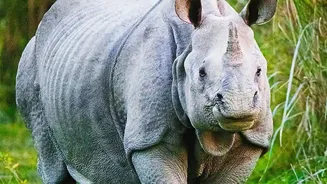
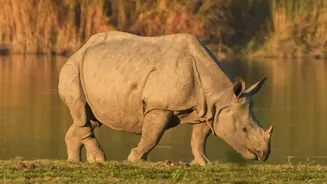
Several national parks shine particularly bright after the rains. In Rajasthan, Ranthambore National Park's combination of historic ruins and rejuvenated forests is a major draw, with its main tourism season beginning in October. The Sal and bamboo forests of Kanha and Bandhavgarh in Madhya Pradesh are renowned for their beauty and high tiger densities. In Uttarakhand, Jim Corbett National Park, set against the Himalayan foothills, begins a phased reopening in October. Further east, Kaziranga in Assam, famous for the one-horned rhinoceros, reopens as floodwaters recede, offering incredible views across its vast grasslands. Each park offers a distinct flavour of the post-monsoon wilderness.