

A Taste of Timelessness
The old clubs of India are institutions wrapped in nostalgia. Modelled after the gentlemen's clubs of London, places like Mumbai's Willingdon Club and Bombay Gymkhana or Kolkata's Bengal Club were established as social hubs for the British and, eventually,
the Indian elite. Beyond the manicured lawns and sporting facilities, the heart of the club was often its dining room. The food served was designed to be comforting and familiar to European tastes, but inevitably, local cooks and ingredients created a unique fusion cuisine. Dishes like mulligatawny soup, railway mutton curry, and countless roasts and bakes became staples, forming a culinary category all their own — club food. This food was less about fancy techniques and more about consistency and comfort, a tradition that continues to this day.
The Parsi Influence on Club Menus
The Parsi community, who migrated from Persia to India centuries ago, has had a profound impact on Indian culture, especially in cities like Mumbai. Their own cuisine is a delightful mix of Persian and Gujarati influences, known for its distinctive 'khattu mithu' (sweet and sour) flavour profile. Parsis became integral members of these clubs, and their culinary tastes naturally found their way onto the menus. While famous for their meat and egg dishes, such as Dhansak and Salli Boti, Parsis also have a treasure trove of vegetarian recipes that reflect their ingenious use of spices and local produce. This brings us to a humble yet remarkable ingredient: Kathal, or raw jackfruit.
Kathal: The Vegetarian's 'Meat'
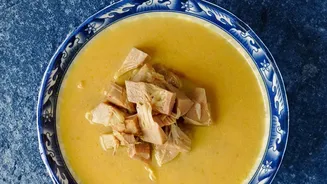
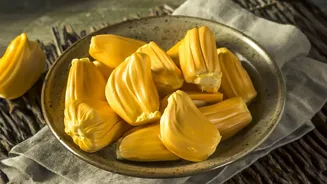
Raw jackfruit, known as Kathal in Hindi, is a seasonal spring vegetable celebrated across India. When cooked, its fibrous texture is surprisingly similar to pulled meat, which has led to its recent global popularity as a vegan meat substitute. In India, however, Kathal has been cherished for generations for what it is, not for what it mimics. It has long been the hero of robust curries, pickles, and dry preparations, appreciated for its ability to absorb spices and create a hearty, satisfying meal. The Parsi community, with its flair for balancing complex flavours, has its own special way of preparing this versatile vegetable, turning it into a dish that could proudly sit on any club menu.
The Allure of a Parsi Kathal Curry
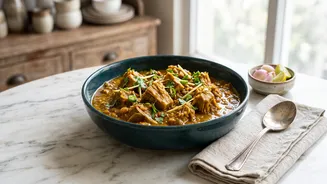
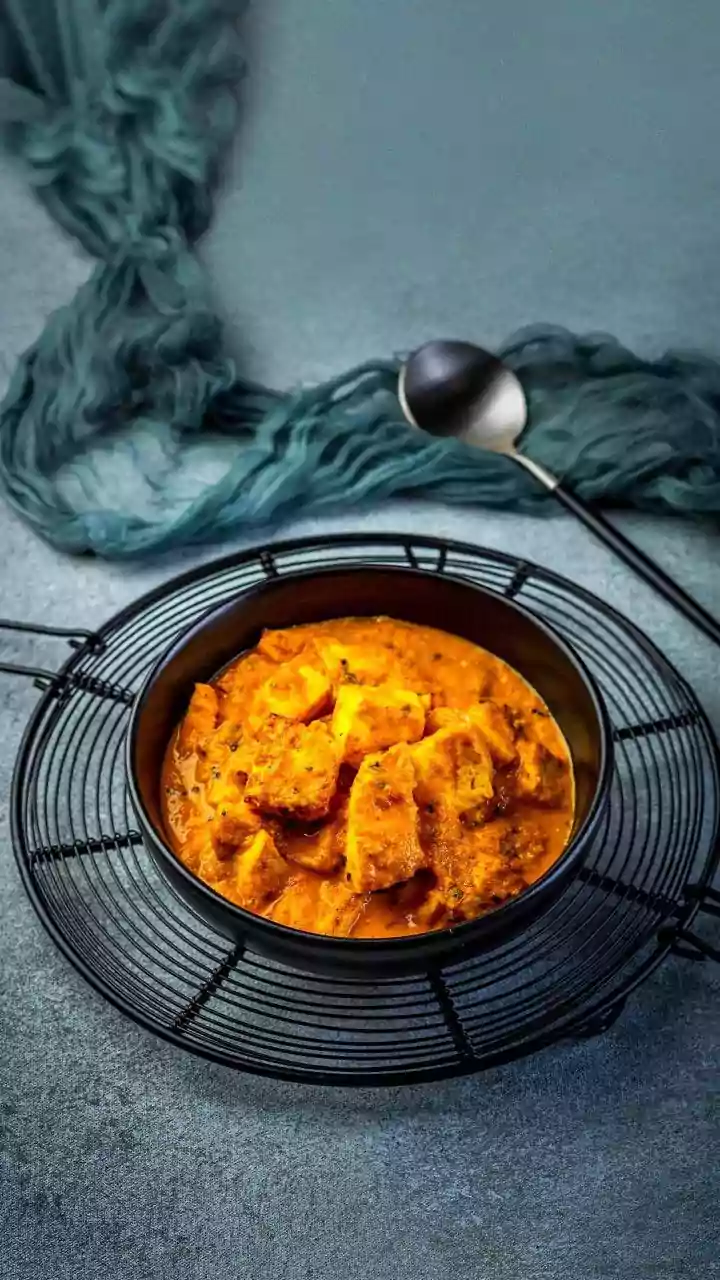
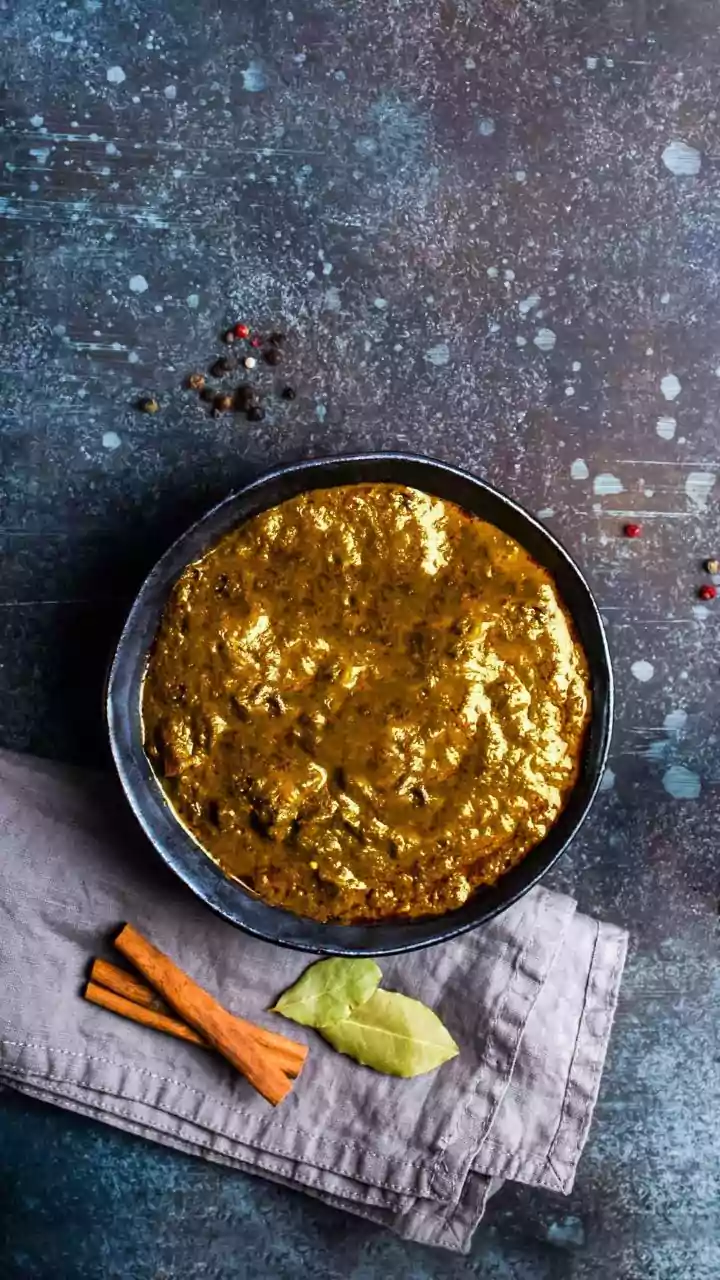
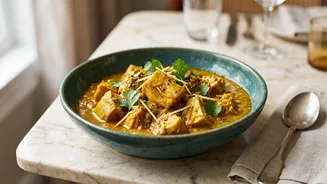
A Parsi-style Kathal curry is a masterclass in flavour. The preparation typically involves simmering chunks of raw jackfruit until tender in a gravy built from onions, tomatoes, and a signature blend of spices. What makes it distinctly Parsi is the balance of heat from chillies, the tang from vinegar or tamarind, and a subtle sweetness from jaggery or sugar. The spice mix often includes staples like coriander and turmeric, but also the warm notes of cinnamon and cardamom, reflecting the cuisine's Persian roots. The resulting dish is rich, aromatic, and deeply flavourful, offering a substantial vegetarian main course that appeals to carnivores and herbivores alike. It's the kind of dish that feels both traditional and surprisingly modern.
Why These Recipes Endure
In an era of fleeting food trends and globalised menus, the persistence of traditional club recipes is remarkable. Their appeal lies in more than just taste; it's about nostalgia and authenticity. These dishes connect us to a specific time and place, offering a comforting sense of continuity. For many, a meal at a club is a cherished family ritual, and the food is intertwined with memories. Furthermore, there is a growing appreciation for regional and heritage cuisines as an antidote to a homogenous food culture. A dish like Parsi Kathal curry isn’t just a recipe; it’s a story on a plate, representing the confluence of Persian heritage, Gujarati adaptation, and the unique social environment of the Indian club.