

The Forgotten Joint in the Seated Epidemic
In our modern, desk-bound lives, we are often warned about the dangers of a sedentary lifestyle. Most of the focus is on back pain, stiff necks, and poor circulation. Yet, the knee, a complex and crucial joint, is often a forgotten victim of our long
hours in a chair. While sitting might seem like it's giving your knees a rest, the position itself, especially when maintained improperly for hours, can create significant biomechanical stress. Prolonged sitting can lead to stiffness, muscle imbalances, and reduced joint lubrication, all of which contribute to discomfort and an increased risk of injury.
How Uneven Weight Distribution Works
The core of the problem lies in poor weight distribution. Our bodies are designed to have weight distributed evenly. When you slouch, lean to one side, consistently cross the same leg, or perch on the edge of your seat, you disrupt this balance. This postural imbalance doesn't just stay in your torso; it travels down the kinetic chain. An uneven pelvis tilts the alignment of your femur (thigh bone), which in turn changes how it connects with your tibia (shin bone) at the knee. This misalignment means that certain parts of the knee joint are subjected to more pressure than they are designed to handle, creating focused points of stress.
Cartilage Under Constant Pressure
Inside your knee, articular cartilage acts as a smooth, protective cushion between the bones, allowing for fluid movement and absorbing shock. When weight is distributed unevenly due to poor sitting posture, this cartilage experiences excessive and sustained pressure in specific areas. Think of it like the tires on a car with bad alignment; one side wears out much faster. This constant, targeted stress can accelerate the breakdown of cartilage, leading to a condition known as chondromalacia patellae or 'runner's knee,' where the cartilage under the kneecap softens and deteriorates. Over time, this chronic wear and tear can contribute to the development of osteoarthritis, a degenerative joint disease.
The Role of Muscles and Ligaments
It's not just the cartilage that suffers. Prolonged sitting shortens and tightens certain muscle groups, particularly the hamstrings and hip flexors, while weakening others like the glutes and quadriceps. This muscular imbalance further compromises knee stability. Tight muscles can pull the knee joint out of its proper alignment, while weak muscles fail to provide adequate support, forcing ligaments and cartilage to bear loads they weren't meant to. For example, slouching can increase strain on critical stabilizing ligaments like the ACL and PCL, contributing to chronic instability and pain.
The Right Way to Sit for Healthy Knees
The good news is that you can mitigate these risks by adopting better sitting habits. The goal is to create a neutral, supported posture that distributes weight evenly. Start by ensuring your chair is at the correct height, allowing your feet to rest flat on the floor with your knees bent at a 90-degree angle. Your hips should be at or slightly above your knees. Sit with your back straight against the chair's lumbar support to maintain a natural spinal curve and keep your shoulders relaxed. Avoid crossing your legs for extended periods, as this can twist the pelvis and create imbalances.
Beyond the Chair: Movement is Key
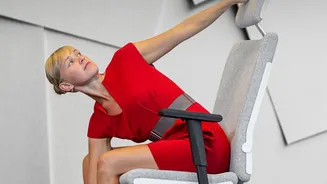
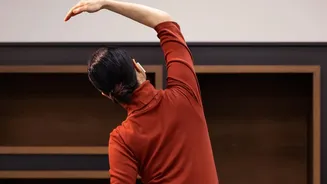
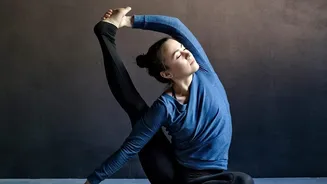
Even the perfect posture can't fully counteract the negative effects of being stationary for too long. Movement is essential for joint health, as it circulates synovial fluid, the natural lubricant for your joints. Set a reminder to get up, stretch, and walk around for a few minutes every 30 to 60 minutes. Simple stretches, like hamstring and quad stretches, can help relieve muscle tightness. Strengthening the muscles that support the knee—quadriceps, hamstrings, and glutes—through regular exercise will provide better stability and reduce the overall load on the joint itself.