
The Science of 'Plant Sweat'
Plants drink water through their roots and then release most of it as water vapour through tiny pores in their leaves called stomata. This process, known as transpiration, is essentially how plants 'sweat'. It creates a pull that draws more water and nutrients
up from the soil. However, when the air is already saturated with moisture (high humidity), this evaporation slows down significantly. Think of it like trying to air-dry laundry on a rainy day; the clothes stay damp because the air can't hold any more water. Similarly, plants can't release water vapour easily into humid air, so the entire process of water uptake from the roots slows down.
Why Less Water is More
Because transpiration is reduced in humid weather, your plants simply don't need to drink as much. Their internal water-transport system is on a go-slow, meaning they use the moisture in their soil much more gradually. Many plant owners make the mistake of sticking to a rigid summer watering schedule, which quickly leads to problems. With high humidity and less sunlight on cloudy days, the soil stays wet for longer, creating the perfect storm for overwatering, even if you feel like you're not giving them that much.
Spotting the Danger Signs of Overwatering
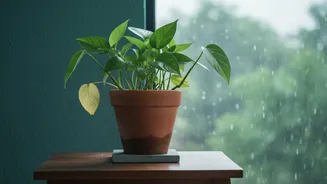
The symptoms of overwatering in humid conditions can be misleading. A common sign is leaves turning yellow or brown and feeling soft or limp, not dry and crispy. You might also see both new and old leaves dropping from the plant. Paradoxically, the plant might look wilted, but this is because the roots are starting to rot from sitting in waterlogged soil and can no longer absorb water effectively. Other tell-tale signs include a musty smell from the soil, the appearance of white mould on the soil surface, or a sudden infestation of tiny flying pests called fungus gnats, which are attracted to constantly moist conditions.
Your New Watering Rulebook
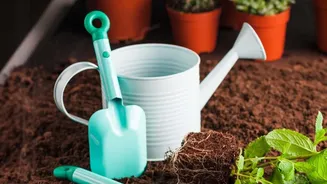
The golden rule during humid months is to ditch the schedule and check the soil. Before you even think about watering, insert your finger about two inches deep. If the soil feels moist, wait another day or two and check again. Only water when it feels noticeably dry at that depth. When you do water, do so thoroughly until it runs out of the drainage holes, but make sure to empty any excess water from the saucer. This prevents the plant from sitting in a puddle. Additionally, ensuring good air circulation by using a fan or opening a window can help the soil dry out more evenly and reduce the risk of fungal growth.
Not All Plants Are Created Equal
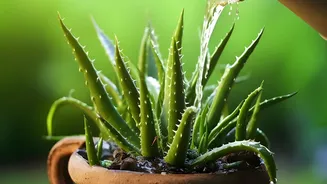
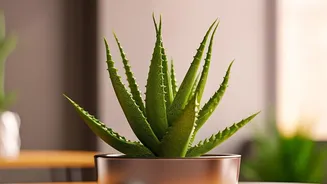
Remember that different plants have different needs. Tropical plants like ferns, Calatheas, and Monsteras naturally love high humidity, but even they will require less frequent watering. On the other hand, succulents and cacti, which are adapted to arid conditions, are extremely susceptible to root rot in damp weather and will need significantly less water. Always research the specific needs of your plants. A peace lily will communicate its thirst by drooping, while a snake plant prefers to dry out almost completely between waterings. Adjusting your care based on the plant's origin is crucial for its survival.